
 Black Tea
 EN
EN
Core Organic Tea Types and Their Blending Functions
Black, green, white, and oolong organic teas as foundational base layers
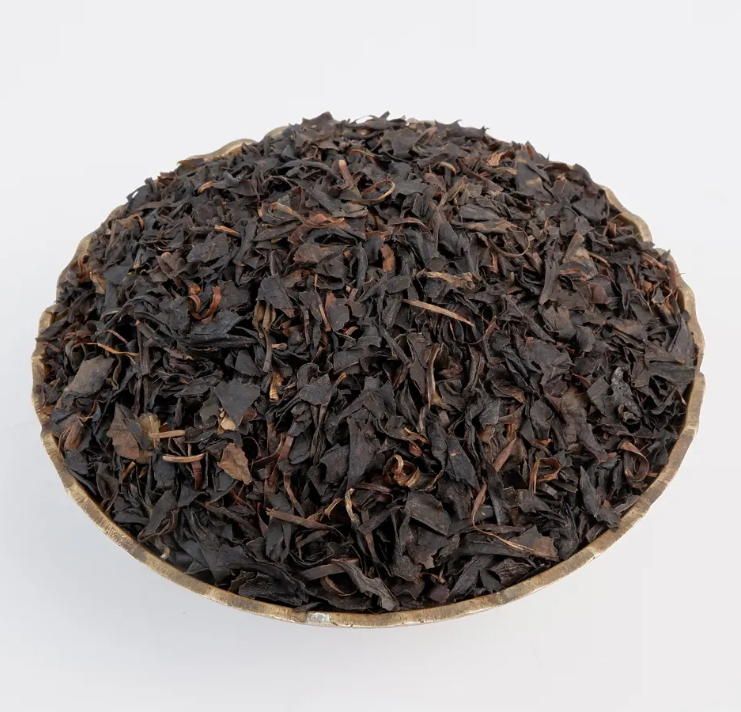
The foundation of quality tea blends comes down to four main organic varieties: black, green, white, and oolong. Each has its own unique processing techniques and taste profile that makes it special. Black tea gets fully oxidized which gives it those strong, malty flavors perfect for morning blends. Green tea keeps its fresh, grassy character because it doesn't oxidize much and gets heated quickly after picking. White tea is different again since it's made mostly from young buds with very little processing, resulting in gentle floral sweetness mixed with just a hint of umami. Then there's oolong somewhere in between these extremes. Partially oxidized leaves create complex scents that can range from sweet orchid blossoms to earthy roasted chestnuts. When working with certified organic bases, tea makers get consistent flavors they can count on. Black tea usually contains around 40 to 60 milligrams of caffeine per cup while green tea clocks in at about 20 to 45 mg according to the latest industry standards from 2023. This kind of predictability lets skilled blenders craft reliable flavor combinations and achieve specific effects when creating new products.
How natural phytochemical profiles—catechins, theaflavins, L-theanine—enhance blend synergy
What makes organic teas so special lies in their natural chemical makeup, which creates both functional benefits and great tasting blends. Studies show that when green tea's catechins, particularly EGCG, mix with the theaflavins found in black tea, they boost antioxidant power by around 30% compared to just drinking one type alone (Journal of Food Science 2023). Teas grown in the shade tend to have higher levels of L-theanine, which helps slow down how quickly caffeine gets absorbed into the body. This compound also enhances the savory umami flavors we love and gives that nice relaxed yet focused feeling after drinking. Blending these teas with oolong varieties brings even more complexity to the cup. The different polyphenols work together to create smooth transitions between flavors and improve overall mouthfeel. For tea makers looking to craft interesting blends, this natural synergy allows them to layer complex tastes and deliver real health benefits without needing any artificial ingredients or isolated compounds.
Terroir and Farming Practices That Shape Organic Tea Flavor Consistency
Darjeeling, Yunnan, and Rwandan Organic Teas: Sensory Signatures and Blending Predictability
The concept of terroir gives each region its own distinct flavor fingerprint, which makes all the difference when creating quality blends. Take Darjeeling for example those gardens sitting above 2000 meters produce teas full of bright floral notes with that signature muscatel character, making them perfect as a base for lighter, more fragrant blends. Over in Yunnan, the soil is packed with minerals and red iron, resulting in teas that taste earthy, malty, sometimes even sweet like honey these add body and substance to any blend. Then there are Rwandan teas grown on volcanic slopes where it rains regularly and stays cool at night they tend to have this zesty citrus tang and finish clean on the palate, bringing freshness to more complicated blends. What matters most is that these unique flavors stay consistent from one harvest to the next, especially when farmers stick to organic methods that keep the soil healthy and alive with beneficial microbes. This consistency means tea blenders can count on getting reliable ingredients year after year.
Elevation, Soil Microbiome, and Organic Certification Practices as Drivers of Volatile Compound Stability
The height at which tea plants grow has a real impact on how they express their volatile compounds. When cultivated above around 1,500 meters elevation, these leaves tend to hold onto about 15 to 30 percent more of those flavor boosting terpenes like limonene, linalool, and geraniol. This happens because the leaves mature more slowly when it's cooler up there. Organic farming practices help maintain this quality too. By banning synthetic chemicals that mess with soil life, organic standards keep the ground healthy. Soils packed with beneficial microbes such as mycorrhizal fungi and bacteria that fix nitrogen work wonders for plants. They take up nutrients better, handle stress from changing conditions, and preserve those important secondary metabolites that give tea its character. According to findings published last year in the Tea Terroir Report, when mountainous terrain meets strict organic protocols, we get something special. Certified organic tea stands out for making premium blends where consistency matters most, delivering flavors that remain true across different harvests.
Organic Tea in Modern Functional and Artisanal Blends
Formulating adaptogen- and superfood-infused organic tea blends: compatibility and shelf-life considerations
When adding adaptogens like ashwagandha and reishi along with those powerful superfoods such as acai and camu camu to organic teas, there's actually quite a bit of science involved behind getting it right so everything stays effective while still tasting good. Take green tea catechins for example they really speed up how fast certain sensitive compounds break down when exposed to heat or changes in acidity levels. What does this mean? Well according to research from the Tea Research Institute back in 2023, without proper handling these valuable ingredients lose about 30% effectiveness after just half a year sitting on shelves. That's why experienced tea makers have developed several smart approaches over time to keep their blends fresh and potent.
- pH-balanced pairing, using hibiscus or lemongrass to stabilize alkaloids and prevent degradation;
- micro-encapsulation of volatile actives—such as ginsenosides in matcha-ginseng blends—to shield them from moisture and oxygen;
- moisture-controlled, nitrogen-flushed packaging, extending shelf life by 40% versus conventional methods.
Sensory harmony remains non-negotiable: earthy reishi pairs seamlessly with roasted oolong, softening bitterness while accentuating its inherent terroir-driven depth. These approaches reflect how modern tea craftsmanship merges nutritional science, botanical knowledge, and gastronomic intentionality—without compromising organic integrity.
Scaling Organic Tea Blending Without Compromising Integrity
To grow organic tea production without sacrificing quality takes careful attention to sourcing, processing methods, and making sure everything is transparent. The best tea companies maintain consistent batches by thoroughly checking out their certified organic farms. They want proof about how the soil is managed, what kind of composting happens there, and exactly how pests are controlled naturally. When it comes time to blend different types of tea, these companies keep separate processing lines so nothing mixes with regular non-organic teas. And many now use blockchain technology to track each batch all the way from farm to customer. According to recent research, around three quarters of people who care about where their food comes from really value this kind of traceability. For packaging, some innovative solutions have emerged too. Tea bags made from plant based materials can now go into industrial composters instead of landfills. These eco friendly options cut down on waste by about forty percent and will completely break down in just a few weeks. Special machines like stainless steel blenders that don't generate heat and sealing systems that use nitrogen gas help produce large quantities without needing artificial preservatives or damaging the delicate flavors. All these efforts mean that even as production scales up, the small batch feel, strict ethical standards, and authentic taste remain intact for those seeking high quality organic tea.