
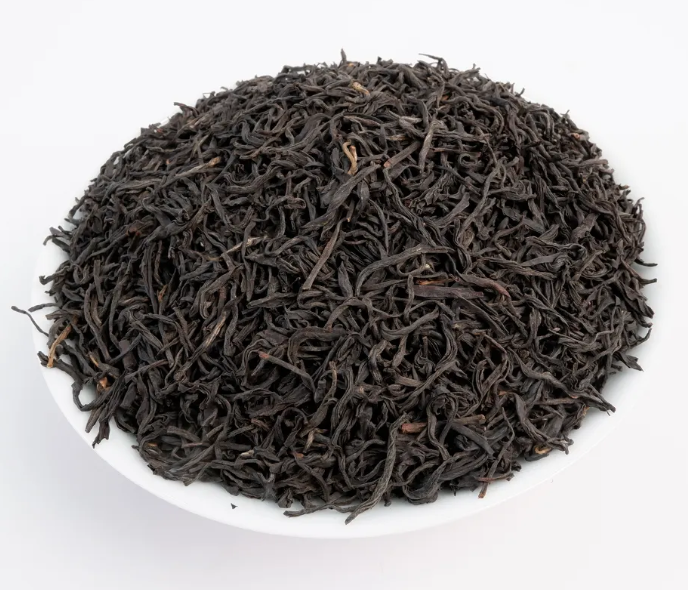
 Black Tea
 EN
EN
Define Brand Alignment and Market Positioning for Wholesale Tea Packaging
Translating brand voice into packaging design: colors, typography, and tactile finishes
Wholesale tea packaging needs to tell a story that matches what the brand stands for through thoughtful design decisions. Color choices matter a lot because they trigger specific feelings in people's minds. Earthy green tones scream organic and authentic vibes, while dark blues and charcoals feel upscale and sophisticated. Terracotta colors bring to mind traditional craftsmanship and heritage qualities. What about the text? Fancy script fonts definitely say luxury, but straightforward sans-serif typefaces work better for products focused on health benefits or practical use. The physical feel of packaging also plays into how customers perceive quality. Matte finishes give off a calm, confident vibe, whereas those soft-touch coatings feel extra special and cared for. Uncoated kraft paper just shouts eco-friendly values from the start. According to some research from the Design Council last year, keeping visuals consistent across different product lines can boost brand recognition around 80%. That makes a real difference when buyers are looking at shelves full of competing products trying to decide which ones stand out.
Tailoring aesthetics to key wholesale tea segments—premium, wellness, eco-conscious, and gifting
Each major tea segment demands a distinct packaging language that resonates with its core buyer and end consumer:
- Premium: Minimalist layouts, heavyweight rigid boxes or tins, metallic foil stamping, and restrained color palettes—designed to command attention in high-end retailers and specialty grocers
- Wellness: Calming blues, sage greens, and oat tones paired with botanical line art or subtle watercolor textures—emphasizing purity, calm, and science-backed benefits
- Eco-conscious: Unbleached kraft paper, compostable films, soy-based inks, and prominent FSC or How2Recycle® certification marks—transparency as a functional differentiator
- Gifting: Modular systems—like removable sleeves over reusable tins or ribbon-ready paper tubes—that extend utility beyond first use and elevate perceived value
When it comes to distribution choices, segment alignment plays a big role. According to findings from the Global Tea Packaging Report released in 2024, around two thirds of distributors actually pick partners based on whether their packaging really speaks to what their target customers value. Take premium brands for instance those that go with rigid packaging formats tend to get about 23 percent more wholesale reorders compared to companies stuck with just pouches. And then there are those brands focused on gifts. These products typically land in 40% more retail locations because they work well across seasons and come ready for gifting right out of the box. The packaging just needs to match what consumers expect during different times of year.
Choose the Right Packaging Format for Wholesale Tea Functionality and Scale
Pouches, tins, boxes, and paper tubes: freshness retention, shipping efficiency, and unit cost analysis
When it comes to wholesale tea packaging, there are really three things that just can't be compromised on: keeping those leaves intact, making sure they survive all that shipping around, and finding something that works for the bottom line when scaling up production. Stand up pouches with those handy reseal zippers plus aluminum barriers keep teas fresh for about a year and a half, which is great, but they take up 15 to 20 percent more space in trucks compared to sturdier options. Tins are actually better at blocking out oxygen and light, stack neatly without any issues, and cut down on damage during transport by roughly 30%. The downside? They cost anywhere between 40 to 60 percent more in materials. Boxes lined with foil strike a nice middle ground between looking good on shelves and staying within budget constraints. Paper tubes definitely tick the sustainability box, though they need extra protection against moisture if shipped through tropical regions. Looking at unit prices for 100 pieces, we see a big difference too - starting at around $18 for simple laminated pouches all the way up to $85 for fancy printed and embossed tins. So choosing the right package isn't just about looks or function anymore; it directly impacts profit margins and determines which markets will actually work for different products.
Bulk-optimized configurations: gusseted bags, inner/outer cartons, and side-seal pouches
When it comes to moving large volumes through wholesale channels, packaging needs to work hard for its keep rather than just looking good on shelves. Gusseted bags are great because they stretch upwards as needed when dealing with different densities of loose leaf tea, stand straight up in warehouses which saves precious floor space, and our tests show they cut down on crushed product incidents by about a quarter compared to regular bags. The inner/outer combo system pairs safe, foil lined pouches inside with attractive outer boxes that carry branding information, which means no need to open and repackage items before shipping them out to customers, saving roughly half the labor time in fulfillment centers. For those looking at automation, side seal pouches really shine since machines can fill them at speeds over 120 per minute and they pack flat for shipping, reducing transportation expenses by around 18% compared to old style bottom sealed packages. All these options keep tea fresh throughout complex supply chains, and most importantly, we typically see unit prices below 35 cents each when ordering minimum quantities of 1,000 or more. The side seal version has become particularly popular among brands running sample campaigns or launching new products due to their compact size and ease of handling.
Balance Customization Depth with Cost and Lead Time for Wholesale Tea Orders
Tiered options—from branded sleeves and stickers to full-print tins and bespoke die-cut solutions
When it comes to customizing wholesale tea packaging, most businesses find success by investing gradually rather than going all in from day one. For startups or those just testing new products, simple options work wonders. Pressure sensitive labels stick right onto existing containers while sleeve wraps can be ready in under two weeks with almost no setup fees. These are great when launching limited editions or trying out different markets without breaking the bank. Moving up the ladder, digitally printed tins start making sense around the three to five week mark. Foil stamped boxes catch eyes on store shelves too, though they do cost a bit more. Some companies opt for spot UV treatments on cartons which highlights certain design elements beautifully. At the top end of the spectrum, we see brands splurging on completely custom designs. Think die cut windows that let customers peek inside, magnetic closures that snap shut securely, or even multiple layers built into one package. These premium options take eight weeks plus to produce and typically run 40 to 60 percent more per unit, but they stand out in crowded retail spaces. Interestingly enough, nearly 8 out of 10 successful tea brands start with basic structures that allow them to upgrade later as their business grows. Maybe add some foil stamping here, switch materials there depending on what works best for each season's offerings. And remember this crucial step: always double check those final print proofs against Pantone color guides before giving the green light for full production runs. Trust me, saving money on colors now means avoiding expensive mistakes down the road.
Ensure Compliance and Scalability: MOQs, Sustainability, and Manufacturer Partnerships for Wholesale Tea
Eco-materials that meet shelf-life demands: compostable films, FSC-certified board, and food-safe inks
The shift toward sustainable packaging in wholesale tea isn't just talk anymore—it's happening on store shelves right now. Many companies are turning to compostable films made from things like polylactic acid or plant-based cellulose. These materials actually work pretty well at keeping moisture and oxygen out, which means tea stays fresh for around 18 months when properly disposed of in commercial composting systems. Boxes and cartons made with FSC certified boards offer better structural strength compared to regular paper products. Studies show they can extend shelf life by roughly 20%, and there's proper documentation tracking where these materials come from throughout production. When it comes to printing logos and labels, brands are switching to vegetable or soy based inks that won't migrate into the product itself. This meets all those strict FDA and EU standards for food contact, whether dealing with robust black teas, fragile white varieties, or even sensitive herbal mixes. Most importantly, these eco friendly options still meet the 12 to 24 month shelf life demands while helping retailers hit their green goals without any drop off in quality or regulatory issues.
Selecting a wholesale tea packaging partner: certifications, print flexibility, MOQ adaptability, and workflow integration
Choosing the right manufacturer is foundational to scaling responsibly. Prioritize partners evaluated across four pillars:
- Certifications: ISO 22000 (food safety management) and BRCGS Packaging certification are non-negotiable for mitigating regulatory exposure
- Print flexibility: Digital printing capability—paired with food-safe ink systems—enables low-MOQ customizations without plate costs or long lead times
- MOQ adaptability: Suppliers offering tiered minimums (e.g., 500–5,000 units) empower agile responses to seasonal demand, new retailer trials, or regional promotions
- Workflow integration: API connectivity with ERP or inventory platforms automates reorder triggers, reduces stockouts, and cuts excess inventory waste
This integrated evaluation ensures packaging operations scale in lockstep with distribution growth—maintaining brand consistency, compliance rigor, and environmental accountability across every wholesale channel.
Table of Contents
- Define Brand Alignment and Market Positioning for Wholesale Tea Packaging
- Choose the Right Packaging Format for Wholesale Tea Functionality and Scale
- Balance Customization Depth with Cost and Lead Time for Wholesale Tea Orders
- Ensure Compliance and Scalability: MOQs, Sustainability, and Manufacturer Partnerships for Wholesale Tea