
 Black Tea
 EN
EN
Sensory Evaluation: The Foundational Step in Authenticating Wholesale Tea
Sensory analysis forms the cornerstone of verifying premium wholesale tea authenticity, combining empirical observation with standardized protocols. This multi-phase approach begins before brewing and extends through every consumption stage.
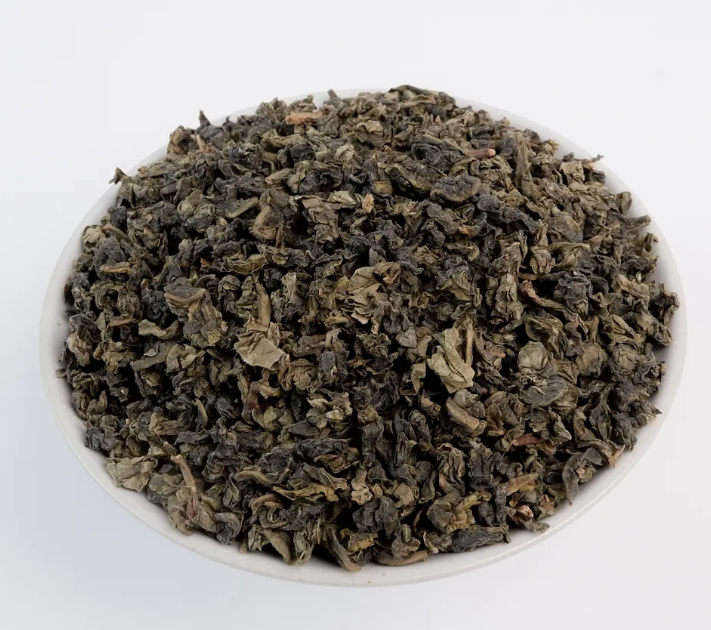
Dry Leaf Assessment: Appearance, Aroma, and Texture Indicators
Authentic premium teas exhibit distinct physical characteristics:
- Appearance: Whole leaves maintain uniform shape and color—e.g., tightly rolled oolongs show vibrant green-brown hues.
- Aroma: Complex, layered fragrance without artificial notes; jasmine pearls, for instance, release floral scent only when gently warmed.
- Texture: Springy resistance to pressure indicates proper drying, while crumbly leaves suggest over-firing or poor storage.
Industry standards like GB/T 23776-2018 provide objective evaluation frameworks for these parameters, grounding subjective assessment in repeatable methodology.
Liquor Analysis: Color, Clarity, Mouthfeel, and Huigan in Premium Brews
Post-infusion attributes reveal processing quality and varietal integrity:
- Clarity & Color: Genuine first-flush Darjeeling yields bright amber liquor; murkiness or dull brown tones often indicate adulteration or oxidation flaws.
- Mouthfeel (体感): High-grade matcha delivers a velvety, umami-rich texture—distinct from the chalky mouthfeel of blended or low-purity powders.
- Huigan (回甘): A clean, lingering sweet aftertaste lasting 20+ seconds is a hallmark of well-fermented pu-erh and signals balanced polyphenol composition.
A 2024 biochemical study in the Tea Research Journal confirmed strong correlations between these sensory markers and catechin profiles—validating their use as real-time proxies for chemical authenticity.
Wet Leaf Examination and Stem/Bud Ratio as Proxies for Processing Integrity
Expanded leaves expose critical details that reflect harvest care and processing fidelity:
- Leaf integrity: Whole, unfolded leaves signify gentle handling and minimal mechanical damage—fragmented material typically points to cost-cutting during rolling or sorting.
- Stem/bud ratio: White Peony silver needles maintain a consistent 1:3 bud-to-leaf ratio; excess stems suggest rushed plucking or blending with lower-grade material.
- Color retention: True gyokuro wet leaves retain vivid emerald green; oxidized patches or yellowing indicate inconsistent shading or delayed processing.
These tactile evaluations offer immediate, on-site verification—complementing lab testing without delay during wholesale procurement.
Origin Traceability: Validating Terroir and Provenance in Wholesale Tea
Estate Names, Village-Level Provenance, and Harvest Date Transparency
Knowing where tea comes from is basically step one when verifying if it's genuine stuff. Big name estates like Thurbo in Darjeeling or Kenilworth from Sri Lanka actually give out detailed certificates about their harvests. These documents list specific plucking dates, how high up they were grown (some places are over 1,800 meters), plus all sorts of info on oxidation levels during processing. All these details help confirm whether the tea is fresh for the season and made consistently batch after batch. When labels get down to village level, we start seeing real differences in flavor profiles too. Take those famous Lishan oolongs from Taiwan - tests show they have different mineral compositions and amino acid concentrations compared to just any old "high mountain" labeled tea. The Food Fraud Journal reported something interesting last year: proper documentation of harvest dates cuts down fake products by around two thirds. Makes sense really, because whenever there are delays in getting tea to market, someone tends to mix in cheaper alternatives or blend what's left with newer stock.
Geographic Discrimination: Uji vs. Kagoshima Matcha, Wuyi vs. Fujian Oolong
The unique chemical fingerprints found in tea leaves help determine where premium wholesale teas actually come from. Take authentic Uji matcha for instance it has about 14 percent more L-theanine and less bitterness compared to similar products from Kagoshima. This difference comes down to how they grow these plants under shade in Kyoto's rich volcanic soil. When looking at Wuyi rock oolongs grown on Fujian's mountain slopes, we see something interesting too. These cliffside grown varieties tend to have higher tungsten content around 5.2 parts per million or more and develop that distinctive "yan yun" flavor profile that just doesn't show up in teas grown on flat land. Anyone buying high end tea really needs to check these chemical markers through lab analysis. Why? Because studies show over one third of premium teas are mislabeled according to the Global Tea Integrity Report from last year.
Key authenticity indicators by region:
| Origin | Unique Marker | Flavor Profile | Adulteration Risk |
|---|---|---|---|
| Uji Matcha | L-theanine ≥ 2.1% | Creamy, umami-rich | Moderate |
| Kagoshima | Chlorophyll a/b ratio 5.8 | Grassy, slightly astringent | High |
| Wuyi Oolong | Tungsten ≥ 5.2 ppm | Mineral, orchid notes | Low |
Documentation & Certification: Verifying Compliance in Wholesale Tea Supply Chains
Organic Certifications, FTGFOP Grading, and Labeling Standards for Wholesale Tea
Certifications from third parties such as USDA Organic and EU Organic help confirm that farms are following sustainable practices. These certifications basically ban synthetic pesticides and insist on proper care for the environment. When it comes to tea quality assessment, there's this thing called FTGFOP which stands for Finest Tippy Golden Flowery Orange Pekoe. This system looks at how intact the leaves are, and when someone sees a grade like SFTGFOP1 on packaging, they know those leaves have great bud to leaf ratio and not much broken bits. The rules around labeling require companies to put where the product came from, when it was harvested, and how it got processed so customers can check these details quickly. Organizations like Rainforest Alliance go even further with their Supply Chain Certification program. They want proof that workers are treated fairly throughout production and that nature is protected along every step of making products. All these different checks and balances together cut down the chances of fake products getting into the market by about 30 something percent compared to what happens in supply chains without any certification at all.
Batch Numbers, Factory Marks, Lab Testing, and Provenance Documentation
Each batch gets its own unique number along with factory markings that leave behind solid audit trails. This makes it possible to track everything back from where it was grown all the way to the export warehouse within three days should any contamination issues pop up. Labs run mandatory tests checking for more than 200 different contaminants including things like lead levels below 0.1 parts per million and various pesticide residues according to those strict ISO/IEC 17025 guidelines. When documenting where products come from, companies need to keep records on soil quality analyses, detailed fermentation notes, plus temperature logs during transport. Take Darjeeling tea as a case in point. To prove genuine high altitude origin, they actually check elevation certificates and look at seasonal harvest stamps attached to each batch. These documents don't just describe where something came from—they provide actual proof of authenticity.
Fraud Detection: Identifying Red Flags in Premium Wholesale Tea Procurement
Spotting fake premium wholesale tea requires some serious attention to detail when looking for signs of fraud. When prices seem way too good compared to what's normally charged, that's usually a warning sign something's off. We've seen cases where sellers mix high quality first flush Darjeeling with cheaper leaves, and studies indicate this cuts down on antioxidants by around 30 to 35 percent. Any supplier that won't let buyers see samples or can't provide specific info about batches should definitely raise eyebrows. Watch out for packaging issues too - labels that don't match up, no mention of when the tea was harvested, or just generic claims like "Made in Asia" instead of pointing to actual villages where it came from. The middle priced teas are especially tricky because they look nice and leafy but might actually contain stems or damaged bits hidden inside. Many buyers get burned here since appearances can be deceiving.
Always check organic and other certification marks against official records before accepting any shipment. We're seeing fake labels pop up roughly once in every 200 containers according to the latest Tea Board data from 2024. When there's a mismatch between what's written on the package and how the tea actually tastes, that's a red flag. Take note if a supposedly light oolong has those strong smoky flavors typically found in darker roasts. Something fishy might be going on during processing. Also watch out for leaves that don't expand properly when brewed, which often means they were stored incorrectly or exposed to excessive heat somewhere along the supply chain. Make sure all incoming batches come with traceability codes that can be verified online, plus independent lab results showing no heavy metals or pesticide residues. These checks aren't just bureaucratic hurdles they save businesses thousands each year, with some clients losing over seventy four thousand dollars annually when they get burned by substandard products.
Table of Contents
- Sensory Evaluation: The Foundational Step in Authenticating Wholesale Tea
- Origin Traceability: Validating Terroir and Provenance in Wholesale Tea
- Documentation & Certification: Verifying Compliance in Wholesale Tea Supply Chains
- Fraud Detection: Identifying Red Flags in Premium Wholesale Tea Procurement