
 Black Tea
 EN
EN
Core Wholesale Tea Categories Driving B2B Demand
Premium Black Teas: Estate-Ceylons and Direct-Trade Assams for Hospitality & Retail
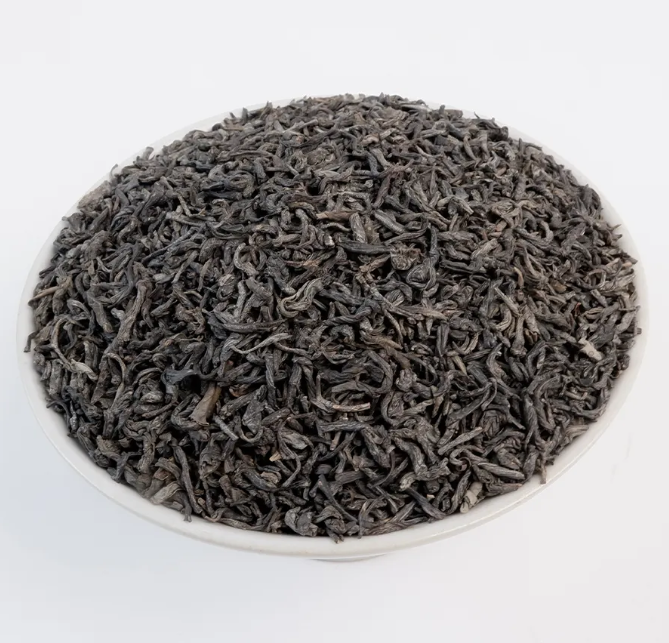
Black tea makes up most of what gets sold wholesale in the US market according to recent data from the Tea Association of America (around 86%). The estate grown Ceylons from those high altitude regions in Sri Lanka are known for their bright citrus flavors which many upscale hotels love for breakfast service. Meanwhile, Assam teas coming straight from Northeast India have this rich malty taste that specialty shops really value. These premium blends typically cost 20 to 30 percent more because they come with clear information about where they were grown, how they were harvested ethically, and who actually picked them. Restaurant and food service managers care about these details since they want good quality products that also match their brand image when making purchasing decisions.
High-Margin Green Teas: Organic Matcha, Sencha, and Ceremonial Gyokuro in Café & Hotel Programs
The health angle is what makes green tea so profitable these days, accounting for around 13.6% of all tea consumed in the US. Cafés selling organic matcha lattes typically enjoy gross margins between 40 to 50%, which explains why it's become such a popular menu item. Then there's Gyokuro, which gets special treatment by being hand picked after growing in shade for over 20 days. Luxury hotels love incorporating this premium tea into their wellness programs because of its rich umami flavor and high L-theanine content. For Sencha, the traditional steaming process helps retain important compounds like catechins and EGCG, those antioxidants linked to better metabolism in clinical studies. This kind of nutritional profile has become a major selling point for hotels trying to attract guests who care about their health and well-being.
Differentiated Oolongs: Alishan, Tie Guan Yin, and Wuyi Rock Teas as Boutique Retail Anchors
Boutique shops can really stand out when they work with oolong teas because of how carefully controlled the oxidation process is during production. Take those high altitude Alishan oolongs for instance - most specialty stores love them for their subtle flower-like aromas and the fact that they only come from very specific parts of the mountain during short growing seasons. Then there are the famous Wuyi rock teas, known locally as Yancha, which have this earthy character mixed with smoky flavors that make them perfect for special tasting sessions. What makes these particular types so valuable isn't just their quality but also how much better they perform compared to regular mass produced teas on store shelves. When placed properly, they turn ordinary tea sections into must visit spots where customers spend more time browsing and often end up buying other products nearby as well.
Functional Wholesale Tea Varieties Aligning with Health-Conscious Consumers
Targeted Blends: Detox (turmeric-ginger), Energy (yerba mate–green tea), and Sleep (chamomile-lavender–adaptogen)
Health-focused functional teas now dominate wholesale demand, with over half of U.S. tea drinkers prioritizing benefits like immunity support and stress relief (Mintel 2024). B2B buyers increasingly seek blends backed by ingredient-level science—not just marketing claims. Three categories lead procurement decisions:
- Detox formulas, combining turmeric and ginger to support digestive comfort
- Energy synergies, blending yerba mate’s natural caffeine with green tea’s L-theanine for clean, sustained focus
- Sleep enhancers, built on chamomile and lavender bases and enhanced with adaptogens like ashwagandha or magnolia bark—validated in clinical studies for sleep onset and quality
These blends command premium margins in café and hotel programs, with 42% of consumers willing to pay more for formulations tied to specific, evidence-based outcomes (Pickers Pocket 2024).
Certifications & Claims: How Organic, Caffeine-Free, and Clinically Supported Formulations Influence Retailer & F&B Procurement
Third-party validation is now non-negotiable in wholesale tea sourcing. UK retailers report 30% sales lifts for certified organic teas, while caffeine-free options see 25% higher reorders in foodservice (LinkedIn 2024). Procurement officers prioritize three tiers of verification:
- Organic certifications aligned with USDA NOP or EU Organic standards
- Lab-tested caffeine levels, enabling daypart-specific programming (e.g., <5 mg/serving for evening service)
- Peer-reviewed research on active compounds—especially L-theanine, EGCG, and apigenin—to substantiate functional claims
Hospitality groups place particular emphasis on clinically supported sleep formulations: 68% of hotels have reformulated minibar offerings around verified wellness claims. Transparent supply chain documentation—including batch-specific lab reports and origin verification—is no longer a differentiator—it’s table stakes for F&B buyers auditing wholesale partners.
Strategic Premiumization: Private Label, Provenance, and Rarity in Wholesale Tea Sourcing
Private Label Success Stories: Zomba Pearls (Malawi), Kumari Gold (Nepal), and Single-Estate Traceability for Brand Differentiation
Smart B2B tea purchasers are moving away from buying bulk commodities toward building real partnerships with suppliers. They're using private label programs to get their hands on exclusive teas that aren't available anywhere else, such as those precious Zomba Pearls grown in Malawi or the golden leaves of Nepal's Kumari Gold. These small batch products typically fetch prices 30 to 50 percent higher when sold through specialty shops and hotels. When companies can track where exactly these teas come from down to specific harvests, complete with detailed maps showing elevation changes and actual stories from the farmers themselves, every product becomes something customers want to tell others about. The whole strategy taps right into what consumers increasingly crave these days: limited edition releases create excitement among buyers, and knowing exactly where the tea came from lets businesses sell something genuine rather than just another tasty drink. What makes this work so well is how it turns simple transactions into ongoing collaborations between brands, which helps protect against price swings in the commodity market and keeps clients coming back year after year.