
 Black Tea
 EN
EN
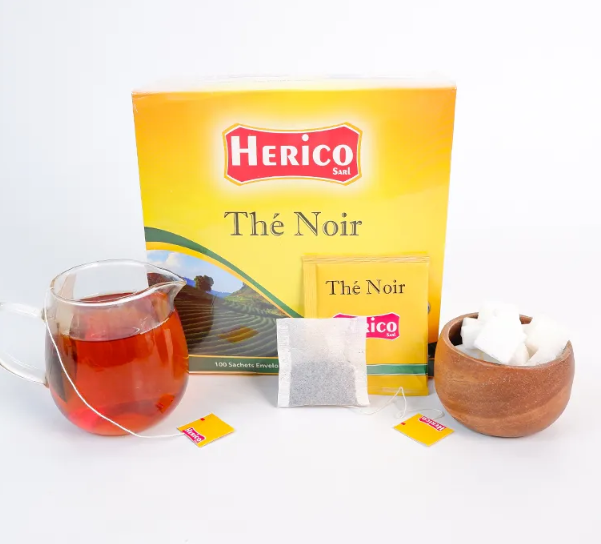
The Four Degradation Drivers: Moisture, Oxygen, Light, and Temperature
Tea bags face four primary threats during storage: moisture intrusion, oxygen exposure, light penetration, and temperature fluctuations. Each accelerates chemical reactions that degrade flavor compounds, diminish antioxidants, and shorten shelf life. Understanding these mechanisms is essential for designing effective wholesale preservation strategies.
How moisture absorption triggers enzymatic browning and microbial risk in tea bags
When tea bags absorb moisture—especially in environments exceeding 5% relative humidity—water activity rises above the critical 0.6 aw threshold, enabling mold growth and activating polyphenol oxidase enzymes. This leads to enzymatic browning, which dulls color and flattens flavor, while dissolved sugars migrate to bag surfaces, causing clumping and stickiness.
Maintaining warehouse humidity below 60% RH is a foundational control point. Supplemental measures—including desiccant inserts in bulk packaging and avoiding condensation-prone temperature zones—further mitigate risk. A 2022 stability study found humid conditions accelerate antioxidant degradation by 22% weekly compared to controlled environments.
Oxygen exposure and its direct impact on catechin oxidation and aroma volatiles loss
Oxygen initiates oxidative chain reactions that rapidly deplete key quality markers: 87% of catechins oxidize within 14 days under ambient air (2022 stability data), floral terpenes volatilize or degrade, and lipid peroxidation generates stale, cardboard-like aldehydes.
Research confirms oxygen exposure accelerates overall quality loss 5.2 times faster than anaerobic conditions. Nitrogen flushing—reducing residual oxygen to <1%—combined with hermetic seals, forms the most effective defense against oxidative deterioration.
Light-induced photodegradation of chlorophyll and theanine – why opacity is non-negotiable
UV and visible light catalyze photolytic breakdown of sensitive compounds: chlorophyll degrades 4.1× faster under illumination; theanine converts to bitter glutamic acid; and riboflavin degradation alters infusion color and antioxidant capacity.
| Light Exposure | Flavor Loss Rate | Color Change |
|---|---|---|
| 48 hours direct light | 34% | 79 E (visible shift) |
| Opaque packaging | <3% | <5 E |
Opaque barriers—such as metallized films or tinplate—block 99% of UV wavelengths and are non-negotiable for wholesale tea bag integrity. Transparency, even in “premium” PET, invites irreversible sensory decline.
Airtight, Opaque Packaging Solutions for Wholesale Tea Bags
Material efficacy comparison: Aluminum-laminated foil pouches vs. tinplate tins vs. UV-stabilized PET
Picking the right packaging means looking at how well it stands up to those four main factors that cause product degradation. Aluminum laminated foil pouches are pretty much the gold standard when it comes to protection. They block oxygen really well under 0.01 cc per square meter per day, keep moisture out at less than 0.01 grams per square meter daily, and block over 99 percent of light according to what's considered standard in 2023. Tinplate tins give similar protection levels and have the added benefit of being completely recyclable, though they do weigh about 40% more than flexible pouches during shipping which can affect transportation costs. Then there's UV stabilized PET plastic that stops damage from sunlight exposure but lets in way more oxygen between 5 to 10 cc per square meter per day. This increased oxygen flow speeds up the breakdown of catechins and causes flavors to disappear faster over time.
| Barrier Performance | Aluminum Pouches | Tinplate Tins | UV-Stabilized PET |
|---|---|---|---|
| Oxygen Transmission | <0.01 cc/m²/day | <0.05 cc/m²/day | 5–10 cc/m²/day |
| Light Blocking | 99%+ | 100% | 85–90% |
| Moisture Resistance | Excellent | Excellent | Moderate |
Critical design features: Hermetic seals, nitrogen flushing, and headspace minimization for bulk tea bags
Material choice alone is insufficient. Three engineering controls are essential for bulk tea bag preservation:
- Hermetic seals, validated for leak integrity, prevent ambient humidity ingress and inhibit enzymatic browning;
- Nitrogen flushing, calibrated to ≤1.5% residual oxygen (vs. 21% in air), directly slows catechin oxidation;
- Headspace minimization, targeting ≤5% void volume in 1kg+ containers, curbs volatile aroma loss and limits oxygen re-entry during handling.
When integrated with opaque, high-barrier materials, these features extend shelf life by 8–12 months without refrigeration.
Warehouse Environment & Inventory Discipline for Tea Bag Freshness
Getting warehouse conditions right isn't just nice to have when storing tea bags in bulk it's absolutely essential. The temperature needs to stay pretty much constant around 15 to 20 degrees Celsius. When temperatures fluctuate too much, we get condensation forming on the tea bags which makes them absorb extra moisture and lose their flavor faster than normal. For humidity levels, anything above 60% relative humidity is trouble. That's why most warehouses install those big industrial dehumidifiers to keep things dry enough so the tea doesn't brown prematurely or grow mold. And here's something interesting about tea itself its structure is so porous that it picks up smells like a sponge. That means we need separate storage areas for tea away from strong smelling items like spices, coffee beans, or even cleaning products otherwise the tea will end up tasting like whatever else was nearby.
Inventory discipline reinforces environmental controls:
- FIFO (First-In, First-Out) rotation, supported by digital batch tracking, ensures no stock exceeds its 18-month freshness window;
- Quarterly integrity audits, including seal inspection and oxygen-permeation spot checks, identify compromised barriers before catechin loss exceeds 34%;
- UV-filtered lighting prevents photodegradation of chlorophyll and preserves infusion color and antioxidant content.
This integrated system reduces thermal and oxidative stress on tea polyphenols while eliminating $740k in annual waste linked to poor inventory management in perishable goods (Ponemon Institute, 2023).
Freshness Tracking: Batch Labeling, FIFO Rotation, and Integrity Audits
When companies get serious about tracking product freshness, what starts as regulatory compliance often becomes their biggest selling point in the market. The practice of batch labeling gives every production run its own special code that can be scanned at any point. This makes it much easier to track down problems when they occur and allows for quick removal of affected products from shelves. First In, First Out (FIFO) rotation isn't just a warehouse rule book concept either. By making sure the oldest stock gets sold before newer items arrive, businesses significantly cut down on waste from spoiled goods. Regular integrity checks form another critical layer of protection. These involve looking at seals, checking oxygen levels inside packaging, and reviewing documentation records. Such audits catch issues early on like batches that got labeled incorrectly or situations where staff forgot to follow proper rotation procedures during busy periods.
For large-scale operations, automated tracking tools streamline audits while maintaining alignment with FDA Food Safety Modernization Act (FSMA) and BRCGS standards. This disciplined, data-driven approach reduces waste by up to 30% in perishable supply chains, extends verified shelf life, and strengthens consumer trust through consistent cup quality.