
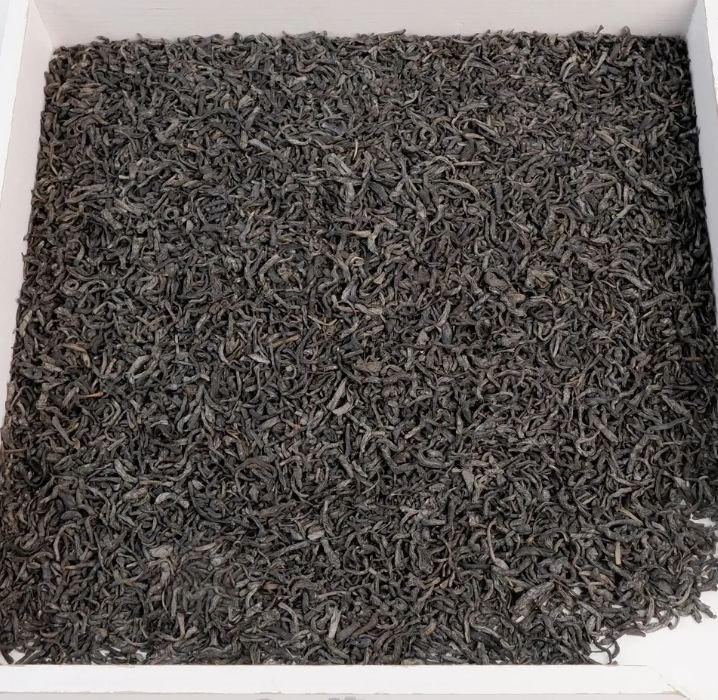
 Black Tea
 EN
EN
Eco-Friendly Tea Bag Materials and Compostability Realities
Biodegradable tea bag filters: PLA, cellulose, and plant-based alternatives vs. conventional polypropylene
Tea bags made from polylactic acid (PLA), which comes from corn starch, can totally break down in about three months if they end up in industrial composting plants. The cellulose filters work just as well as regular polypropylene ones when it comes to making good brews, plus they slash carbon footprints around 40 percent. Some plant based materials such as abaca hemp don't tear apart while steeping but still vanish entirely when composted properly. Regular old polypropylene tells a different story though it hangs around landfills for what feels like forever. According to Food Packaging Forum research from last year, these eco friendly PLA versions already capture about a quarter share of the high end tea bag market. When choosing materials for packaging, companies have to weigh several factors including how well they seal at high temperatures versus their environmental impact. Many plant based filter solutions do need special equipment to produce, which adds complexity to manufacturing processes.
Certifications matter: TUV OK Compost INDUSTRIAL and BPI — what they guarantee (and don’t) for wholesale tea bags
The TUV OK Compost INDUSTRIAL label basically means these items will break down completely within 180 days when processed at 60 degrees Celsius in those big commercial composting facilities. Meanwhile, getting the BPI certification shows a product meets the ASTM D6400 standards for compostability. But here's the catch neither of these certifications actually ensure anything breaks down properly in regular backyard compost piles or out in the ocean somewhere. The reality is most certified compostable tea bags need special industrial processing equipment to decompose properly. And let's face it, only around 27 percent of cities across America even have access to these kinds of facilities according to EPA data from 2023. Companies really need to be upfront about this limitation though. They should put clear symbols on their packaging like "Needs Industrial Composting" so consumers aren't misled into thinking their compostables will magically disappear anywhere they throw them.
The infrastructure gap: Why 'compostable' tea bags often end up in landfill — and how brands can communicate responsibly
Even though many tea bags are made from compostable stuff, about 73 percent still end up in landfills because people don't know what to do with them and local collection systems just aren't working right together. Good communication matters here. Tea companies should put clearer labels on packaging like those "Check Local Composting" symbols we've started seeing recently. Some brands even include QR codes that point straight to where folks can find nearby composting facilities. According to the Sustainable Packaging Coalition report from last year, when companies run educational campaigns explaining how to properly dispose of these products, they actually see around a 34% drop in items going to landfills instead of being composted. For areas without access to city composting services, there's another option worth considering too. Several manufacturers have partnered with waste management companies to create take-back programs that help keep used tea bags out of regular trash bins and into recycling streams where possible.
Primary Packaging Formats for Wholesale Tea Bags
Flexible pouches: Stand-up, gusseted, and heat-sealable options with aroma-barrier laminates (PET/AL/PE)
Flexible pouches have become the go to choice for wholesale tea bag packaging because they save money, work well for different needs, and look great on store shelves. The stand up models with those extra flaps at the bottom create display friendly packages that really grab attention when customers walk past them. For premium teas such as whites and greens, manufacturers often go for heat seal options combined with those layered materials (PET, AL, PE) since these help keep the scent locked in. After all, nobody wants their expensive matcha losing its freshness! Plus, these bags weigh way less than traditional boxes or tins, cutting down transport expenses quite a bit compared to heavier alternatives. And let's not forget about branding opportunities either. The surface prints beautifully, letting companies tell their story visually without sacrificing product safety.
Premium formats: Pyramid sachets, metal tins with food-grade liners, and resealable spouted tubes for specialty tea bags
Better packaging really does make people willing to pay more money for products because it feels worth the extra cost. Take those pyramid tea sachets for instance they work great for whole leaf and chunky cut teas since they let the leaves expand properly during brewing. Studies show these pyramid bags can pull out about 40 percent more flavor compounds compared to regular flat tea bags, which means tastier cups of tea overall. Metal containers lined with safe materials protect against light and air, keeping teas fresh for almost a year and a half longer than other storage options. And don't forget about those handy resealable tubes with zip closures that keep each dose separate while maintaining freshness. These are especially popular among folks who love matcha powders and blooming teas where presentation matters just as much as taste quality.
Secondary & Shipping-Optimized Packaging for Tea Bag Distribution
FSC-certified cartons and modular paperboard boxes: Sustainability, print flexibility, and pallet-load efficiency
Cartons certified by FSC standards contain paperboard from responsibly managed forests that actually meet strict environmental requirements while keeping those delicate tea bags safe during shipping. The modular design of these paperboards allows them to nest together really well when stacked, which means we waste about 20% less space on pallets than with regular boxes that come in all sorts of sizes. Better packing translates into cheaper shipping bills and fewer carbon emissions per product shipped. The smooth surfaces are thick enough to handle bright digital prints needed for labels and branding stuff without making the carton weaker. Those interlocking corners really do stop packages from moving around inside containers, so there's less chance of breakage. Plus, since everything comes in standard sizes, warehouses can easily automate their storage and retrieval processes without constant adjustments.
Brand Differentiation Through Customization and Low-MOQ Flexibility
Digital printing, functional features (tear notches, zippers), and QR-enabled labels for traceable tea bags
Tea packaging gets a whole new lease on life thanks to digital printing technology. Brands can now put stunning photo quality images and personalized information on packages without breaking the bank on setup fees. The functional side has improved too. Packages come with easy tear notches so customers know where to open them, plus handy zippers that keep the tea fresh longer after opening. Some even have QR codes that link straight to where the tea was grown, when it was harvested, or how best to brew it properly. Small companies love this because they don't need huge orders to get started these days. Minimum order quantities are down around 50 units, which lets new brands test out their designs and make changes fast if needed. All these features work together to catch attention on store shelves and meet what people want nowadays. Transparency matters a lot to shoppers apparently, with nearly three quarters saying they look for brands that tell the truth about where things come from and how sustainable their practices are according to Label Insight research last year.
Table of Contents
-
Eco-Friendly Tea Bag Materials and Compostability Realities
- Biodegradable tea bag filters: PLA, cellulose, and plant-based alternatives vs. conventional polypropylene
- Certifications matter: TUV OK Compost INDUSTRIAL and BPI — what they guarantee (and don’t) for wholesale tea bags
- The infrastructure gap: Why 'compostable' tea bags often end up in landfill — and how brands can communicate responsibly
- Primary Packaging Formats for Wholesale Tea Bags
- Secondary & Shipping-Optimized Packaging for Tea Bag Distribution
- Brand Differentiation Through Customization and Low-MOQ Flexibility