
 תה שחור
 EN
EN
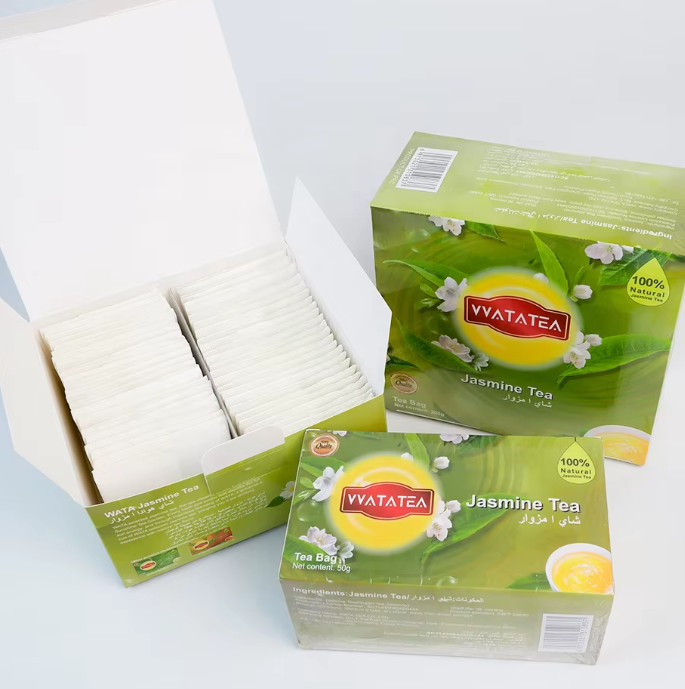
אזורים מובילים לרכישת יסמין טה לייצור אמינה באופציה ליצרן (OEM)
הנגשיאן, גואנגשי: המרכז העולמי לייצור יסמין טה באופציה ליצרן (OEM)
מחוז הנגשיאן בגואנגשי אחראי לייצור כ-80 אחוז מהתה יסמין העולמי, בזכות האקלים החם שלו, מסורות עתיקות של השמה, ומערכת שרשרת אספקה מאורגנת היטב. המפעלים המקומיים מחזיקים באישורים ISO 22000 ו-BRCGS ומבצעים את תהליך ההשמה שבע פעמים כל לילה. הם פוקדים בקפידה הן על הטמפרטורה והן על הזמן במהלך הסבבים הללו כדי להעניק תה ירוק או לבן באיכות גבוהה עם טעם פרחוני אוטנטי, אשר אנו מקשרים לתערובות יסמין טובות. החקלאים עובדים יחד באמצעות שיתופיות בשטח של כ-66,000 דונם המשמשים לגידול יסמין, מה שמאפשר להם לייצר מעל 500 טון מטרי מדי שנה. עם קיבולת ייצור כזו ובשליטה מלאה באיכות, הנגשיאן מתבלטת כשמדובר בהיענות להזמנות מורכבות של חברות אחרות. בין אם מישהו רוצה טעמים מיוחדים שנוצרו במיוחד, מטענים גדולים עם תוויות פרטיות, או הסדרי משלוח מהירים ברחבי העולם – הנגשיאן מציעה את הכלים הנדרשים כדי להתמודד עם בקשות אלו באופן יעיל.
פוג'יין ויונאן: מקורות ערבוב מיוחדים המשלימים את היקף הייצור בהנגשיאן
אזורים מגדלי התה בפוג'יין וביונאן משלימים את הגישה של הנגשיאן לייצור המוני על ידי התמקדות באיכות במקום בכמות. בפוג'יין, אזורים מפורסמים של הרים ערפיליים מייצרים עלים עדינים של תה ירוק שמתאימים במיוחד לייצור תערובות יסמין מפוארות שכולנו מכירים ואוהבים. חקלאים מקומיים ממשיכים לאסוף ידנית את הצמיחות הרכים לסטים פרימיום להערכה, שנמכרים בחנויות מפוארות ברחבי העולם. בינתיים, ביונאן, האזור ידוע בתה פואאר והתה השחור החזק שלו שסופגים טעמים בצורה מעולה, מה שהופך אותם למתאימים במיוחד לייצור תה יסמין חזק שמתבלט מדפי החנויות. באזורים אלו פועלים בקנה מידה קטן בהשוואה להנגשיאן, מה שאפשר להם לטפל בהזמנות קטנות החל מ партиות של 50 ק"ג. הם גם ניסו שיטות חדשות כמו ריחון קרה שמשמר באמת את ריחות הפרחים היקרים לתקופה ארוכה יותר. אם נחבר את כל זה יחד, מה נקבל? מערכת תלת-חלקית שבה הנגשיאן מטפלת בצרכים לייצור המוני, בעוד שפוג'יין ויונאן מביאות משהו מיוחד לשולחן עבור שווקים ספציפיים כגון קפה יוקרתי, בוטיקים מלונות שמחפשים הצעות ייחודיות, ומותגים enfocused בריאות שמעוניינים להבדיל את עצמם מתחרים.
איך לאמת את היכולות של יצרן בדיקה (OEM) לתה יסמין אמתי
אישורים חיוניים ובדיקות תפעוליות
בעת בחינת ספקים, ודאו כי הם מחזיקים באישורים נוכחיים של BRCGS ו-ISO 22000. תקנים אלו חשובים ביותר בהקשר של שמירת הבטיחות המזון, אפשרות לעקוב אחר המוצרים לאורך שרשרת האספקה וההכנה למכירה בינלאומית. בדקו אם כמויות ההזמנה המינימלית שמציעים הספקים מתאימות למצב העסקי שלכם. חברות חדשות מעדיפות בדרך כלל הזמנות קטנות יותר, בערך 500 יחידות או מטענים של 50 ק"ג, בעוד שחברות גדולות יותר עוסקות לעיתים קרובות בכמויות של כמה טונות בבת אחת. התאמו מסמכים ממשיים המוכיחים שהתיוגים עומדים בדרישות, במיוחד דברים כגון רשימות רכיבים בשני שפות, מידע תזונתי תקין ואזהרות ברורות על אלרגנים בהתאם למדינה שבה יימכרו המוצרים. שקיפות היא גם כאן קריטית. בקשו לראות את המתקנים באופן אישי באמצעות ביקורות, אולי אף בקשו סיור וידאו חי או קבלו עותקים דיווחי בדיקות עצמאיות. זה נותן עדות מוחשית לכך שהפעולות מנוהלות ומ kontrolות כראוי.
דגלים אדומים: כאשר 'אריזה מותאמת אישית' מסתירה קיבולת יצרנית מקורית (OEM) מוגבלת או חיצונית
היזהרו מאספקים שמדגישים את אפשרויות האריזה שלהם, אך הופכים לא ברורים כשנשאלים מאיפה בדיוק מגיע התה שלהם, כיצד הם מוסיפים לו ריח, ומתי נקטף. התנהגות מסוג זה מצביעה בדרך כלל על ייצור שמתבצע מחוץ לחברה או שמאוחד ממקורות שונים. קיימים גם דגלים אדומים אחרים שראוי לשים לב אליהם. אספקים שלא מאפשרים לראות דגימות תה פשוטות, ללא ערבוב, צריכים לעורר חשד. כמו כן, שימו לב לדגימות שמריחות שונה לחלוטין מאחת לשנייה. ואם מישהו טוען שהתה עם הריח של יסמין שלו הוא 'מקומי', בלי לציין אף פעם אזורים ספציפיים או שיתופיות, זהו עוד סימן לכך שמשהו לא תקין. שותפים אמיתיים לייצור על-פי דרישות הלקוח (OEM) שולטים בכל התהליך בעצמם: הם מגדלים את הפרחים, מבצעים את ישיבות ההרחה הליליות, עוסקים בכל עבודת הערבוב, מבצעים בדיקות איכות מתאימות, ומערבים את המוצר הסופי באתר עצמו.
אימותים מרכזיים שיש לבקש:
- תיעוד זיהוי מקור היערנית (למשל, מספרי קציצות של מחוז הנגשיאן)
- דוחות מעבדה של צד שלישי לגבי שאריות חומרי הדברה ויסודות כבדים (נבדקו לפי הגבלות האיחוד האירופי או מנהלת המזון והתרופות של ארצות הברית)
- ראיות חזותיות של תאי ריח, קווי ערבוב וציוד אריזה באתר
תמיד ביקשו דוחות על אירועים מזוהים באופן אנונימי מה_AUDITS הקודמים — שקיפות סביב אי-התאמות קודמות מהווה אות אמינות חזק יותר מאשר שתיקה.
מודלי שירות ייצור בהזמנה (OEM) לתה יערנית: מהספקה המונית לערכות מסחריות עם מותג
התאמת צורכי השיווק שלך — שיווק בULK, מסחר אלקטרוני או ערוצי מתנות יוקרתיות
ערוץ הפצה שלך קובע את מודל שירות ה-OEM האופטימלי — ולא להפך.
שותפים לשיווק בULK (סופרמרקטים, מوزעי שירותי מזון) נהנים הכי הרבה מהסכמי אספקה המונים עם תג צבע אישי ניתן להרחבה – שכוללים בדרך כלל מינימום של 500 ק"ג כדי להבטיח את היעילות הרווחית והלוגיסטית. תוכניות אלו מעדיפות אחידות, אריזות מוכנות לפלטפורמה ותאימות נורמטיבית במספר רישויות.
מותגי מסחר אלקטרוני לעומתם, עבדים על סגנונות גמישים: ייצור באצווה קטנה (מינימום הזמנה של 50–200 יחידות), אריזות מאופתמות למכירה ישירה לצרכן (מעטפות עמידות ללחיצה, כיסוי פנימי שניתן לסגור מחדש), וגרסאות עונתיות עם זמן הכנה קצר. יצרנים מקוריים משולבים התומכים במודל זה גם מטפלים בהתאמת מלאי, הכנסות ממותגות ותווית מתאימה להחזרים.
כשמדובר באפשרויות מתנות פרימיום, האיכות חשובה מאוד. חישבו על אותם פחים מודפסים יוקרתיים עם מסגרת מאטת נמוכה, תערובות עונתיות מיוחדות שמיוצרות רק פעם אחת בשנה, כמו תה יסמין ארגמן סילבר נידל שנאסף באביב, וכן על כל התעודות כגון USDA Organic או תו הסחר הוגן. דברים אלו נותנים ללקוחות באמת סיבה מוצדקת לשלם סכום נוסף. שותפי ה-OEM המובילים אינם מסתפקים בייצור של מוצרים אלו בלבד. הם מעורבים גם בבחירת חומרים ברת-קיימה, ביצוע בדיקות כדי לקבוע כמה זמן המוצרים נשארים טריים, ובהבטחת מראה מושלם של כל מוצר בשביל מדפים בחנויות. התרומה שלהם עוברת בהרבה את גבולות הייצור, ועד ליצירת מוצרים בעלי ערך אמיתי.
ספקים משולבים מאחדים את שלושת המודלים תחת חוזה אחד, מה שמאפשר הרחבה חלקה לאורך ערוצים ללא צורך באישור מחדש של ספקים או בעיצוב מחדש של المواصفות.
איחוד תהליך רכישת תה יסמין: דגימות, בקרת איכות ותהליכי מילוי – أفضل הפעולות
ה tậnפת של שותפים משולבים לביצוע יצרני ציוד מקורי (OEM) מסוף לסוף
כאשר חברות עובדות עם ספקים שונים בכל שלב – מהאיסוף של הדגימות ועד לניתוח מעבדתי, אריזה ומשלוח – הן נתקלות לעיתים קרובות באיחורים, בקשיי התיאום ובאי-בהירות לגבי אחריות מלאה במקרה של תקלות. בעיה זו חמורה במיוחד במוצרים עדינים כגון תה יסמין, שכן הריח עלול להיעלם במהרה אם לא מתחזקים טיפול מתאימה לאורך כל התהליך. שיתוף פעולה עם שותפים משולבים לייצור ציוד מקורי (OEM) פותר חלק גדול מהבעיות הללו, בכך שמביא את כל השלבים הללו תחת גג אחד. זמן ההובלה (Lead time) קטן בדרך כלל בכמחצית בהשוואה לשיטות המסורתיות, בעוד ששליטה באיכות נותרת עקביות וחזקה בכל המراحل. בנוסף, העובדה שיש אדם אחד בלבד האחראי על כל התהליך מפשטת את התקשורת ומבטיחה שכל המשתתפים יודעים בוודאות אילו סטנדרטים חייבים להתקיים בכל שלב בייצור.
- דגימה מאזור המקור , כולל תה בסיס מוקדם-מריח ובחינות ריח לאחר התהליך
- בקרת איכות ברמת האצווה , המכסה את תכולת השמן הנדלק (באמצעות GC-MS, אם זה מתאים), רמות הלחות, וחיפוש על שרידי חומרי הדברה
- אימות אריזה , מיעילות סרט המחסום ועד שלמות החתימה במבחני לחץ לחות
- תכנון לוגיסטיקה עם בקרה על הטמפרטורה , כולל ניטור בזמן אמת של שרשרת הקרה עבור פרופילים פרחיים רגישים
מבנה זה מאלץ את טעויות העברת המשימות בין יצרנים, מעבדים ומקבצים — ומעניק למותגים תובנות מלאות לגבי השלמת צעדים קריטיים, ולא רק תאריכי משלוח. עבור תוכניות תגיות פרטיות שמכוונות לאיכות חוזרת ונשנית ומהירות השקה ניתנת להרחבה, האינטגרציה איננה שדרוג — אלא בסיס הפעולה.