
 Black Tea
 EN
EN
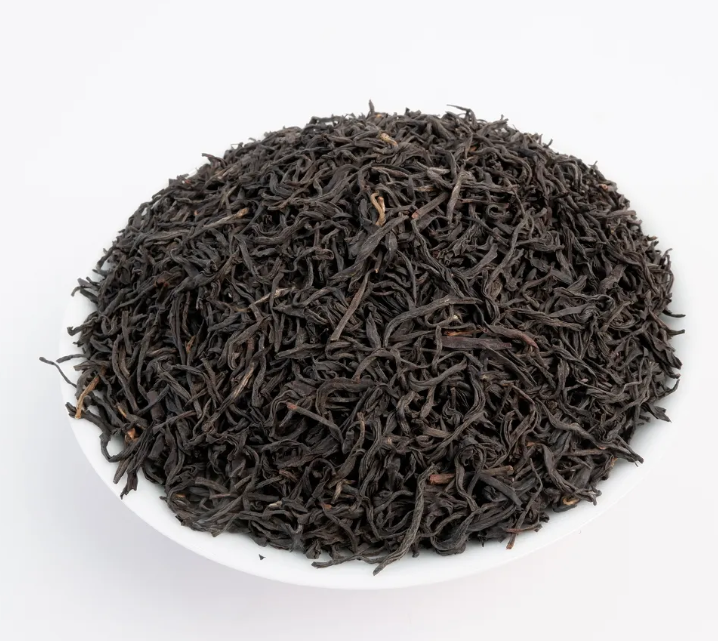
Why Sample Batches Are Essential for Wholesale Tea Sourcing
Getting good quality tea when buying wholesale really depends on checking samples before making purchases because the raw materials can vary so much, affecting both taste and whether they meet safety standards. According to some industry research published in Food Safety Journal back in 2022, around three out of four quality problems come from variations in raw materials rather than issues with the final product itself. When companies skip sample testing, they're basically playing Russian roulette financially speaking. Tea recalls cost about fifty thousand dollars each time they happen, whereas spending under five hundred bucks on proper samples makes way more sense. These samples let buyers check things like where the tea was grown (like altitude and soil conditions), spot problems during processing such as when leaves get oxidized too much, and ensure that pesticide levels stay within those super strict limits of less than 0.01 parts per million.
Top suppliers provide batch-matched samples covering seasonal variations, allowing objective evaluation through ISO 3103 tasting protocols before bulk commitments. This practice prevents costly mismatches between sample expectations and production-scale deliveries.
How Reputable Wholesale Tea Suppliers Structure Sample Programs
Standard sampling protocols: Quantity, timing, and representativeness
Good wholesale tea suppliers have strict procedures when it comes to taking samples so they can be sure each batch meets quality standards. Most often, samples need to be between 100 grams and 500 grams. That amount works well for both tasting sessions and laboratory tests. The timing matters too. Samples usually arrive around 4 to 6 weeks ahead of when the main harvest will be available on the market. What really counts is getting samples that actually match what's going to be produced, not just specially selected leaves meant to look good. Smart suppliers track this by assigning unique codes to each sample, linking them back to particular tea gardens and exact picking dates. This helps everyone involved know exactly where their tea comes from and ensures consistency across different batches.
Tiered sample access: From free mini-samples to paid pre-shipment batches
Leading suppliers offer multi-tiered sampling frameworks to accommodate diverse buyer needs:
| Tier | Sample Type | Purpose | Cost Structure |
|---|---|---|---|
| 1 | Mini-samples (20–50g) | Initial flavor profile screening | Typically free |
| 2 | Evaluation batches (100–200g) | Quality verification and blending tests | Partially subsidized |
| 3 | Pre-shipment samples | Final batch approval | Paid, credited against bulk orders |
Free mini-samples allow preliminary assessment, while paid pre-shipment batches—shipped two weeks before main production—enable final quality checks. This tiered approach balances buyer assurance with supplier cost recovery.
Quality Verification Tools That Accompany Wholesale Tea Samples
Certificate of Analysis (COA) and Its Role in Wholesale Tea Compliance
The Certificate of Analysis, commonly known as COA, is basically the go-to document when it comes to making sure wholesale tea meets all necessary compliance requirements. These reports typically cover important stuff like how much moisture is present in the product, where exactly the tea came from, and what kind of processing methods were used. Labs issue these documents to check if tea samples pass global safety standards, especially looking out for dangerous stuff like aflatoxins. They also track which batches were produced when, so there's a paper trail available if needed later on. Good quality suppliers will always send along COAs that have been certified under ISO/IEC 17025 standards and follow both FDA and EU rules for imports. This lets potential buyers double check everything matches their needs before they place big orders. Looking at actual practice, top verification agencies often include detailed info about water activity levels and set limits for microbes in their COAs. According to recent trade figures from 2023, this kind of thorough documentation cuts down problems with non-compliant shipments by around two thirds.
Third-Party Lab Testing for Pesticides, Heavy Metals, and Antioxidants
Getting independent lab tests done is still pretty much required if anyone wants to be sure about tea quality when buying in bulk. Labs run all sorts of checks including looking for pesticides like chlorpyrifos, checking metal content such as cadmium and lead contamination, plus measuring those important bioactive substances that give tea its health benefits. The best certified labs have fancy equipment like HPLC machines and mass spectrometers which can spot even tiny amounts of bad stuff down to parts per trillion level. They also measure antioxidants like EGCG and theaflavins because these compounds really affect how much money tea commands in the market. Most big tea importers around the world (we're talking about roughly three quarters of them) now require this kind of third party verification before they'll accept shipments. Smart suppliers know this and usually hand over their test reports together with sample packs so potential customers can actually check whether what's written on the certificate matches reality or not. Without proper documentation, many serious buyers just won't touch the product no matter how good it smells.
Evaluating Sample Reliability: Red Flags and Best Practices for Buyers
When 'sample available' doesn’t guarantee batch consistency
Watch out for tea suppliers whose samples don't match what actually arrives in bulk orders. Some telltale signs are when the leaf grades vary wildly or the scent just doesn't smell right compared to what was promised. According to a recent industry report from last year, nearly 4 out of 10 wholesale tea purchasers ran into major quality problems on their very first big order. The smart move? Ask for samples straight from the same batch being sold, and make sure they come with matching Certificates of Analysis. Companies that won't share details about when their leaves were harvested or how they process them tend to have way more quality issues down the road. Always check those samples against independent pesticide testing results too because sometimes things look good until tested properly.
Leveraging ISO 3103 tasting protocols for objective wholesale tea assessment
Adopting the ISO 3103 standard for brewing helps cut down on guesswork when evaluating tea samples. The guidelines set clear rules for things like water hardness (needs to be under 50 ppm), temperature around 98 degrees Celsius give or take a degree, and letting the leaves steep for exactly six minutes. Studies have shown that following these steps can actually bring down differences in taste assessments between professionals by about half according to research published in the Journal of Food Science back in 2022. For those looking at bulk tea purchases, this standardized approach allows for better measurement of certain qualities. It looks at how bitter the tea tastes based on tannins released during brewing, checks out what aromas come through at specific temps, and tracks how flavors develop over time as per the fixed steeping period. Getting staff trained in this method means moving away from relying solely on someone's personal taste preferences towards something more measurable. This leads to more reliable buying decisions when sourcing large quantities of tea products.