
 Black Tea
 EN
EN
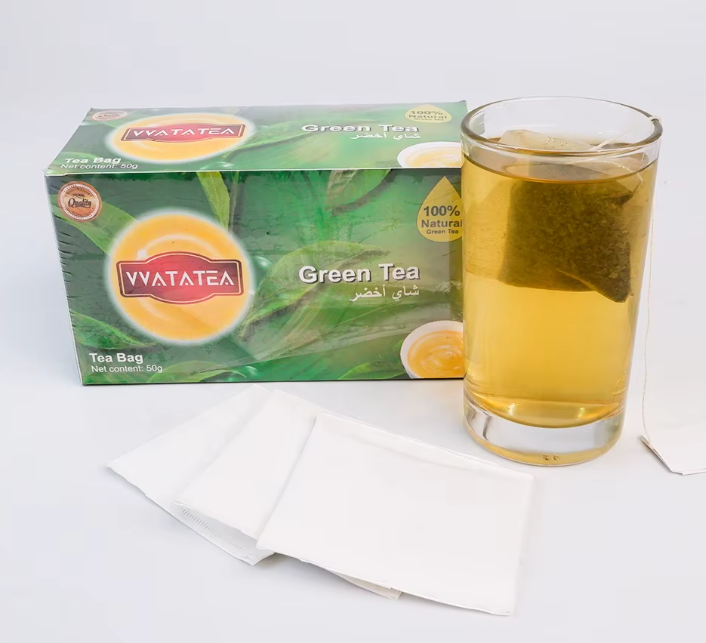
Why Custom Green Tea Bags Are a High-ROI Corporate Branding Tool
Green tea bags with custom branding offer great return on investment because people see them repeatedly during their daily routines. These aren't just throwaway giveaways like pens or mugs. People actually use these tea bags every day, so each time someone makes a cup, they're reminded of the brand visually, feel the packaging in their hands, and maybe even catch a whiff of the aroma. Studies indicate that physical marketing stuff like tea packaging can boost brand recognition around 30% more than online ads alone. Plus, most companies want to look responsible these days. About three quarters of shoppers prefer brands that care about the environment. High quality green tea, particularly if it comes from ethical sources and nice packaging, sends messages about health, classiness, and purpose. When folks give these tea bags to coworkers or business contacts, word spreads naturally about the brand while creating good feelings. The combination of usefulness, matching company values, and engaging all the senses turns each package into something that keeps promoting the brand for months or even years after purchase.
Green Tea Bag Customization Methods: Printing, Packaging, and Compliance
Direct-printed green tea bags vs. adhesive labels: durability, food-grade safety, and shelf-life implications
Direct printing puts designs right onto the tea bag material with inks approved by both FDA and EC 1935 standards. These food safe inks won't migrate into the tea leaves when steeped. The process keeps the material strong, gets rid of those pesky glue residues that can cause problems during food safety checks, and completely sidesteps the risk of labels coming apart which happens so often with traditional adhesive methods. Testing shows these printed bags stay readable for over two years even in normal storage conditions. That beats regular labels which tend to peel off in humid areas. For companies running global gift programs where tracking and paperwork matter a lot, this reliability makes all the difference.
Foil-laminated and stand-up pouch options for premium green tea bag branding
When it comes to packaging, foil laminates bring both a touch of class and serious functionality. These materials block almost all UV light (about 99%) which helps keep those precious catechins and flavor compounds intact. They also maintain really low oxygen transmission rates, staying under 5 cc per square meter per day so nothing gets oxidized. Plus they hold up against moisture even when humidity hits 65%. Stand up pouches are another game changer for brands looking to make an impact on store shelves. Not only do they take up more space visually, but they can also include handy QR codes that connect customers directly to stories about sustainability efforts, brewing tips, or where the product actually came from. The premium options today go one step further with either biodegradable PLA layers or structures made from single materials that can be recycled easily. This meets those important ESG goals companies care about and complies with international compostability standards such as EN 13432. And according to some recent market research from last year, consumers remember these fancy packages much better too – around 43% more than regular wrapping paper.
Designing Brand-Aligned Green Tea Bag Packaging: From Identity to Unboxing
Pantone-matched inks, tactile finishes (embossing/debossing), and QR-integrated storytelling on green tea bags
Using Pantone matched inks means colors stay exactly the same on each product, so brands can maintain their look consistently across thousands of units without any noticeable differences. Adding things like embossed textures or debossed patterns gives products a bit of depth that customers actually feel when they handle them, which makes people think there was real effort put into making something special. QR codes printed right onto packaging connect what someone sees with what they can experience online too. These little squares take shoppers straight to stories behind the brand, information about where ingredients come from, or even step by step guides on how to brew coffee properly at home. The result? People remember the brand better after seeing all these details together. Some big name companies have seen around 30 percent improvement in remembering their brand after implementing this approach. And despite all these fancy touches, manufacturers still need to follow strict rules about keeping everything safe for contact with food products.
Functional & Sustainable Considerations for Branded Green Tea Bags
Balancing brand visibility with material performance: OTR, light barrier, and compostable alternatives
Branded green tea bags that stand out need to balance looks with solid technical specs. Controlling oxygen transmission rates isn't optional really it's essential. Materials that block at least 99.5% oxygen can triple how long the product stays fresh compared to regular packaging, which protects both taste and those valuable antioxidants. To stop light from damaging the polyphenols, manufacturers often use either metallized layers or substrates with mineral pigments that stay opaque. These solutions don't mess with the quality of printed designs either. When talking about eco friendliness, there are now compostable options available too. Plant based PLA films and nonwoven materials made from wood pulp break down in about 12 weeks in industrial composting plants. They carry certifications like OK Compost INDUSTRIAL and TUV as well. The best approach combines printable outer layers with these functional barriers, cutting out glue based laminations that make recycling harder. Testing includes checking tear resistance above 1.5 Newtons and making sure seals hold up when immersed in hot water. All this attention to detail matters because ultimately products need to perform reliably when consumers actually use them.