
 Black Tea
 EN
EN
Sensory & Functional Quality Indicators for Bulk Green Tea
Freshness markers: leaf appearance, texture, aroma intensity, and liquor color consistency
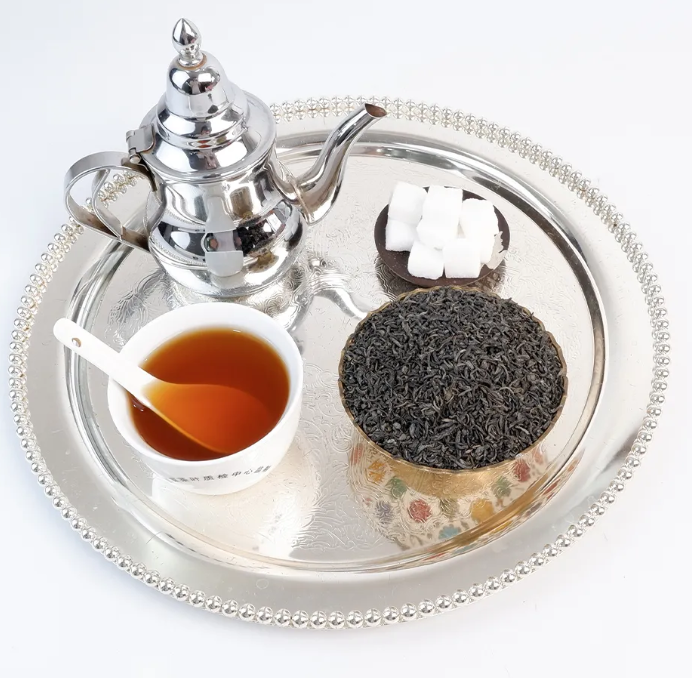
High quality bulk green tea has those beautiful emerald green leaves that look almost like needles when you hold them up to light. When they start turning yellow, that's a red flag for oxidation damage happening inside the package. The texture matters too. Good quality tea should feel crisp but still flexible enough to bend without breaking apart completely. If it feels brittle or turns to powder between your fingers, chances are it's been stored improperly. Smell is another key indicator. Strong aroma means those delicate flavor compounds like hexanal have stayed intact, which happens best when the tea is packed in nitrogen flushed containers. Fresh tea usually carries those grassy scents mixed with that savory umami character we all love about green tea. Tea makers watch closely how the brewed liquid looks from batch to batch. A consistent pale golden color after the first steep tells them moisture levels were kept under control at less than 5.5% during processing. Recent research published in Food Chemistry shows that when any of these indicators go off track, the valuable catechins in the tea degrade about 37% quicker than normal.
Brew performance across infusions: steeping resilience, flavor evolution, and mouthfeel stability
Good quality green tea keeps its taste going through at least three brews, with that rich umami flavor still showing after over a minute in hot water. The grassy flavors at first usually turn into something sweeter without getting bitter, and the texture stays smooth rather than gritty between each steep. How well tea holds up during multiple infusions really comes down to whether the leaf cells stay whole. Lower quality leaves tend to dump around two thirds of their flavor stuff out right away in the first cup, whereas better ones only give up about half as much initially. This ability to deliver multiple good cups from one batch makes sense economically when buying in larger quantities for regular consumption.
Grade, Origin, and Harvest Specifications That Define Premium Green Tea
Ceremonial vs. culinary grade: structural, biochemical, and sensory differentiators for bulk sourcing
The best ceremonial grade green teas come from intact leaves that haven't been broken during processing. These whole leaves preserve important nutrients such as L-theanine which gives the tea its unique character. When brewed traditionally, these premium teas showcase their rich umami flavor along with a clean sweet aftertaste that many tea connoisseurs really appreciate. On the other hand, culinary grade green teas tend to have more broken fragments since they're designed specifically for strong extraction when used in recipes or mixed into drinks. The price difference between grades is pretty significant too. Ceremonial grade often costs anywhere from 30 to 50 percent more because workers must carefully hand pick each leaf, resulting in much smaller harvests. Culinary grade makes sense for large scale production needs though, like those ready to drink bottled teas we see everywhere nowadays. Most people who actually taste both types notice that ceremonial grade keeps getting better with each subsequent steeping while culinary grade tends to hit its flavor peak quickly then just fades away after one or two cups.
Terroir-driven distinctions: elevation, sub-regional origin (e.g., Uji, Yame, Hangzhou), and first-flush timing
The height at which green tea grows makes a big difference in its quality. Tea gardens above 600 meters like those in Uji, Japan, tend to grow their leaves more slowly, resulting in higher concentrations of polyphenols. The local climate plays another role too. Take Yame gyokuro for instance, it often has those distinctive marine mineral flavors because of the volcanic soil there. Meanwhile, the Longjing region around Hangzhou develops a nice chestnut taste thanks to its quartz rich ground. When it comes to harvesting time, getting the first flush right matters a lot. Late March to April is generally best since this is when amino acids reach their peak levels before summer brings all those tannins. Studies indicate that these early spring harvests actually have about 15 to 20 percent more EGCG compared to what's picked later on. This kind of variation explains why serious buyers care so much about tracking exactly where each batch came from when sourcing large quantities of premium tea.
Processing Method and Bioactive Integrity: Steaming, Pan-Firing, and Shade-Growing Effects on EGCG
How processing preserves catechins: steamed (Japanese sencha/gyokuro) vs. pan-fired (Chinese Longjing) vs. shade-grown (matcha)
The way tea leaves are processed really affects how much EGCG stays in them and what kind of health benefits they offer. When Japanese growers steam their leaves, it quickly stops those polyphenol oxidase enzymes from working, so around half or so of the natural catechins stay intact. That's why sencha and gyokuro have such bright colors and strong antioxidants. The Chinese approach with pan-firing is different though. They apply heat carefully to partly stop enzyme activity, which gives the tea its characteristic nutty taste while still keeping some EGCG content. Then there's shade-grown matcha, which works on another principle altogether. Less sunlight means more chlorophyll and L-theanine builds up in the leaves. And since people actually eat the whole leaf after grinding it, matcha packs about 130 times more EGCG per gram than regular brewed tea does. Each processing technique leaves behind a different chemical fingerprint basically. Steaming keeps most of the good stuff, pan-firing finds a middle ground between flavor and nutrition, and growing under shade just makes everything more concentrated when you consume the whole leaf.
Verification Standards for Bulk Green Tea: Certifications, Lab Testing, and Traceability
Organic Certification Rigor: JAS, USDA, and EU Standards in Practice for Bulk Green Tea Supply Chains
Organic certification bodies apply strict but distinct requirements throughout green tea supply chains. For instance, Japan's JAS system demands that no pesticides be used at all, along with regular checks on how soils are managed. The USDA Organic program goes further by requiring yearly visits to actual farm locations as well as the processing plants themselves. Meanwhile, European Union regulations under EC 834/2007 specifically ban any synthetic ingredients when different teas are mixed together. When producers follow these rules, they get certified for chemical free growing methods, maintain transparency in their operations, and gain access to important international markets where consumers demand authenticity. These standards aren't just paperwork either they represent real differences in quality control that matter to serious tea buyers around the world.
Essential Lab Report Metrics: EGCG Quantification, Heavy Metals (Pb, Cd, As), Pesticide Residues, and Batch-Level Traceability
Third-party lab testing validates functional safety and consistency:
- Bioactive integrity: EGCG ≥60 mg/g
- Heavy metals: Lead (Pb) <0.1 ppm, Cadmium (Cd) <0.05 ppm, Arsenic (As) <1.0 ppm
- Pesticide residues: Screening for 400+ compounds aligned with EU Maximum Residue Levels (MRLs)
- Traceability: Digital batch IDs linking harvest date, processing lot, and warehouse shipment
This multi-parameter verification prevents adulteration and ensures reproducible sensory and functional performance in bulk green tea.
Table of Contents
- Sensory & Functional Quality Indicators for Bulk Green Tea
- Grade, Origin, and Harvest Specifications That Define Premium Green Tea
- Processing Method and Bioactive Integrity: Steaming, Pan-Firing, and Shade-Growing Effects on EGCG
- Verification Standards for Bulk Green Tea: Certifications, Lab Testing, and Traceability