
 Black Tea
 EN
EN
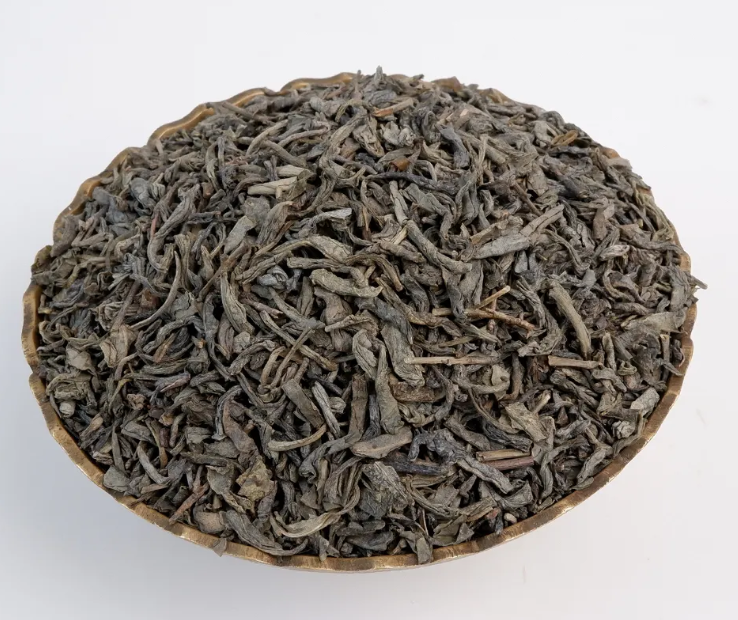
Chinese Loose Leaf Tea: The Benchmark for Premium B2B Sourcing
Why Chinese tea leaf varieties dominate global specialty procurement
China makes about 40% of all tea produced worldwide, which puts them at the top of the list when it comes to premium loose leaf tea production. Their dominance stems from incredible biodiversity across different regions. Take Yunnan's old growth tea forests, Fujian's foggy mountain areas, and Anxi's mineral filled hillsides. These places grow well over 200 different types of tea plants, each one influenced by local weather patterns and soil composition. When combined with traditional methods passed down through generations hand rolling techniques, slow charcoal firing, careful oxidation processes these factors create teas with flavors, smells, and textures that simply can't be replicated elsewhere. Business to business customers who work with specialty stores, luxury hotels, or health focused brands looking to sell directly to consumers will find Chinese loose leaf tea particularly valuable. Unlike mass produced blends, these teas carry distinct regional characteristics that support higher profit margins while satisfying the increasing market need for products with clear, traceable origins.
Terroir, craftsmanship, and traceability as competitive advantages for distributors
Distributors gain decisive leverage through three interlocking strengths when sourcing from China:
- Terroir-driven authenticity: Regional distinctions—such as Anxi’s iron-rich red soils yielding floral, mineral-forward Tieguanyin or Wuyishan’s rocky “cliff” terrain imparting roasted, mineral depth to Da Hong Pao—are intrinsic and non-transferable. These nuances enable buyers to build compelling, exclusive origin narratives.
- Master craftsmanship: Artisanal techniques—Longjing’s precise pan-firing, Wuyi rock tea’s multi-stage charcoal roasting, and Dancong’s hand-plucking of single-cultivar bushes—are preserved within generational cooperatives and state-recognized craft programs, ensuring consistency without industrial compromise.
- End-to-end traceability: Leading suppliers now embed blockchain-verified QR codes directly on packaging, linking buyers to farm-level harvest dates, processing logs, and third-party lab reports—including pesticide residue, heavy metals, and microbiological safety. This transparency satisfies organic certification requirements and aligns with FSMA 204 food traceability standards, reducing compliance risk for importers.
Together, these elements shift procurement from transactional bulk buying to strategic partnership. Importers report up to 23% higher gross margins on terroir-verified Chinese teas versus undifferentiated blends (Global Tea Initiative 2023).
Functional Loose Leaf Tea Varieties Driving Health-Focused Procurement
Green tea and herbal blends: Leading demand among wellness-oriented foodservice and retail buyers
Around two thirds of health focused business to business tea buying these days goes to green teas and those special herbal mixes. Black and oolong just cant keep up in stores that focus on wellness. Restaurants, fancy grocery chains, and small supplement shops are really leaning into what customers want these days. They stock up on chamomile because people crave something calming after work, yerba mate since folks want that clean boost without crash, and those turmeric ginger combos everyone seems to be talking about for gut health lately. The whole tea world is shifting gears here. Its not so much about how it tastes or old traditions anymore. Retailers put products on shelves based on what they claim to do for our bodies first and foremost when making decisions about menus or creating their own brand lines.
Science-backed bioactives (e.g., EGCG) elevating loose leaf tea leaf positioning beyond flavor
Procurement decisions are increasingly informed by clinical evidence, not just sensory evaluation. Distributors now reference peer-reviewed research to validate functional positioning and justify tiered pricing:
- EGCG in shade-grown green teas (150—220 mg per 2g serving) is associated with antioxidant activity and cellular health support in human intervention studies (Journal of Agricultural and Food Chemistry, 2022).
- Adaptogenic herbs like ashwagandha and rhodiola—often blended with green or white tea bases—support stress resilience and cortisol modulation, validated in randomized controlled trials.
- L-theanine in ceremonial-grade matcha, at ¥20 mg per serving, promotes alpha-brainwave activity linked to calm focus—making it a strategic ingredient for cognitive-wellness positioning.
This science-informed approach transforms loose leaf tea from a beverage into a purpose-built functional ingredient, enabling manufacturers to differentiate across categories—from ready-to-drink wellness tonics to clinical-grade supplement blends.
Premium Black and Oolong Teas: Capturing the Experience Economy
Cold-brew black tea and gongfu oolong formats reshaping café and boutique supply chains
The premium black and oolong tea market is booming, accounting for around 27% of specialty beverage sales growth in the hospitality sector these days. People aren't really buying these teas just because they want caffeine anymore. What matters most is the whole experience that comes with them. Cold brew black tea, when steeped anywhere from 12 to 24 hours, creates this smooth, almost silky taste that lacks harsh tannins. According to a recent survey by the Specialty Tea Institute (2023), about two thirds of folks who frequent specialty cafes actually prefer this kind of profile. Meanwhile, the traditional Chinese gongfu style of serving oolong has taken off big time in upscale hotel lounges and those trendy third wave tea shops. With their tiny Yixing clay pots, several quick infusions, and careful attention to water temperatures, these services have become something of a hallmark for places wanting to offer guests a memorable tea moment.
These formats demand precision upstream:
- Cafés source orthodox black teas with robust leaf structure and balanced polyphenol profiles—optimized for extended cold extraction without bitterness.
- Boutiques partner directly with cliff-side oolong growers in Fujian and Guangdong, selecting cultivars like Shui Xian or Rou Gui known for aromatic persistence across five or more infusions.
- Distributors implement lot-specific freshness guarantees, tracking harvest-to-shipment timelines to preserve volatile aroma compounds critical to infusion complexity.
As the experiential luxury market expands at 5% annually (Bain & Company 2024), wholesalers are shortening lead times by up to 40% to ensure peak flavor integrity—prioritizing speed and traceability over volume alone.
Strategic Gaps: Organic Certification, Single-Origin Blends, and Value-Driven Segmentation
The B2B tea market still struggles with major issues when it comes to organic certification, knowing where products actually come from, and properly categorizing different types of inventory, particularly for teas coming out of China. Organic loose leaf tea typically sells for anywhere between 20 to 40 percent more than regular stuff, and customers who care about their health tend to trust it around 35% more according to the Food Traceability Report from last year. But here's the catch: less than 15% of all suppliers can actually show complete paperwork that meets those strict FSMA 204 traceability rules. Take a look at those amazing single origin Chinese teas too. We're talking about things like Yunnan's ancient tree sheng pu'er with its rich earthy flavor profile or the complex floral notes found in Fujian's Phoenix Mountain Dancong oolong. These specialty items could really tell some great stories in stores if only more retailers were taking advantage of them instead of letting them sit on the sidelines.
Forward-thinking distributors address this through disciplined value-tiered segmentation:
| Segment | Cost Premium | Target Buyers | Certification Requirements |
|---|---|---|---|
| Value Conventional | 0—10% | Cafés, Budget Retail | Basic food safety compliance |
| Mid-Tier Organic | 20—30% | Health Stores, Hotels | USDA Organic / EU Organic + batch-level testing |
| Premium Single-Origin | 40—60% | Boutiques, Luxury Resorts | Farm-level traceability, organic certification, and cultivar verification |
The system finds a middle ground between what makes business sense and doing things right ethically, helping buyers satisfy those ESG requirements from retailers while also reducing problems with unclear supply chains, especially in areas where paperwork systems can't keep up with how much stuff gets produced. Tea distributors in China who go out of their way to get proper certifications for their products tend to build lasting relationships with international retailers these days. Transparency isn't just nice to have anymore it's become essential for most big name stores looking to maintain their reputations in today's market.