
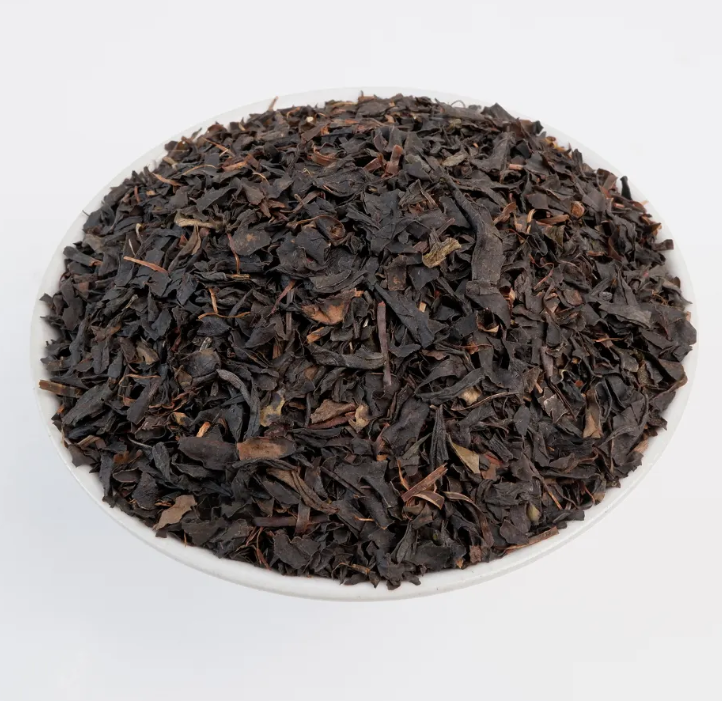
 Black Tea
 EN
EN
Moisture Control: The Critical First Barrier for Loose Leaf Tea
Relative Humidity Thresholds and Condensation Risks in Cargo Environments
The hygroscopic properties of loose leaf tea mean controlling humidity is absolutely critical when transporting it. If exposed to air with over 60% relative humidity, the quality starts breaking down irreversibly within just three days. The temperature swings inside cargo containers, particularly during long hauls across continents, lead to condensation forming on walls and packaging materials. This creates ideal conditions for mold to grow and speeds up the chemical changes that ruin flavor. Research indicates teas stored at 70% humidity lose about 40% more of their beneficial catechins compared to those kept at 50% humidity. Tea merchants who track conditions using digital loggers find that keeping humidity under 50% works best for preserving those delicate aroma compounds that make premium tea so desirable in wholesale markets. Placing pallets strategically away from container sides and investing in temperature controlled transportation cuts down on these condensation problems, though implementing such measures remains a challenge for many smaller operations.
Desiccant Integration and Vapor-Barrier Packaging Validation
Managing moisture properly needs two parts working together: desiccant systems along with good vapor barriers that have been tested. The silica gel desiccants work best when they make up about 10% of the tea's weight and are spread throughout the space inside the package. But if they clump together or sit in one spot, their effectiveness drops off quite a bit. Tests done by independent labs show that these special PET laminates with metal coating cut down on moisture getting through to less than 0.1 grams per square meter per day. That makes them way better than regular aluminum foil packages, which perform around 78% worse in those damp conditions during shipping. When we look at how fresh tea stays over time, packages with verified low MVTR keep most of what makes tea taste good even after being shipped for 30 days straight. To get this protection right in real distribution situations, packagers need to include those color changing indicator cards to check when desiccants get saturated. They also must follow ASTM E96 standards for testing barrier materials and run pressure tests on seals to make sure nothing leaks during those long trips across the country where tea leaves spend weeks before reaching retailers.
Oxygen, Light, and Odor Protection for Tea Leaf Wholesale
Oxygen Permeability Rates: Aluminum Foil vs. Metallized PET in Transit
When loose leaf tea is exposed to oxygen during transportation, it starts to break down pretty quickly, losing both its freshness and distinctive flavors through oxidation. Aluminum foil packaging does an amazing job at keeping oxygen out, with permeability rates as low as 0.01 cc per square meter per day. That's way better than metallized PET options which let about 0.5 to 1.2 cc of oxygen pass through daily. Recent research from 2023 showed something interesting too: after just 30 days storage, teas kept in regular metallized PET bags lost around 18% more of their valuable catechins compared to ones protected by foil lining. This matters especially for bulk orders taking longer than two weeks to reach their destination, particularly when moving between different climates. Foil acts as a vital shield against the inevitable oxygen getting into cargo areas, helping maintain the tea's quality throughout these challenging journeys.
Odor Absorption Vulnerability of Loose Leaf Tea: Sensory Trial Insights
Tea leaves naturally soak up moisture and pick up smells from their surroundings, which can really mess with how they taste. Some tests back this up too. A study done last year found that nearly three quarters of people tasting tea noticed bad flavors when it was shipped alongside spices or industrial stuff without proper packaging to block smells. The solution? Special triple layer bags lined with activated carbon cut down on unwanted odors by almost ninety percent compared to regular single layer packaging. For bulk shipments, this kind of protection becomes absolutely necessary because the risk of mixing flavors gets worse at every stage from warehouse storage to truck loading and final deliveries to stores across town.
Temperature Stability and Its Impact on Oxidation Kinetics
The 30°C Inflection Point: Thermal Cycling Effects on Black Tea Freshness
When temperatures go above 30 degrees Celsius (about 86 Fahrenheit), the chemical reactions that break down loose leaf tea start happening much faster. According to some science stuff called Arrhenius kinetics, basically every time it gets 10 degrees warmer, these breakdown processes roughly double in speed. During shipping, the constant heating and cooling causes water to form and evaporate repeatedly inside the packaging. This process breaks down those helpful plant chemicals called polyphenols and makes the nice smell molecules disappear over time. A recent study looking at the tea business back in 2023 showed something interesting. Black tea that traveled through areas where temperatures swung between 25 and 40 degrees Celsius ended up losing about 42% more of this important antioxidant called epigallocatechin gallate compared to tea kept at steady temperatures. Professional tasters actually noticed problems too. When they tested samples that had gone through just three rounds of temperature changes, 78 out of 100 times there was a noticeable difference in taste quality. To keep things better, companies are starting to use special materials inside packaging that help maintain temperature within about 2 degrees either way. They also put multiple layers of metal-like barriers to stop heat from getting in, plus little devices connected to the internet that track temperature continuously so nobody can deny if something went wrong. Keeping everything below 30 degrees really helps protect those delicate aroma compounds like linalool and slows down another reaction involving theaflavins. This matters because otherwise the tea starts tasting flat and boring when sold in large quantities to stores and warehouses.
Physical Integrity: Minimizing Leaf Breakage in Bulk Transit
Particle Size Distribution and Its Correlation with Catechin Degradation
Keeping those whole leaves intact during shipping matters a lot for maintaining catechins, which are important antioxidants in loose leaf tea. Studies indicate that when the leaf particles get broken down below 2mm in size, their surface area actually triples, which speeds up oxidation pretty fast. The damage from this breakdown cuts down on EGCG content by around 15 to 22 percent just ten days after transport starts, and that affects both how the tea tastes and what health benefits it offers. For bulk tea shipments, using packaging that absorbs vibrations helps keep leaves from getting crushed. Boxes with separate compartments work best since they hold each batch separately. Adding shock absorbing materials inside containers makes a difference too, along with strengthening corners where most damage happens. Also worth noting, stacking pallets too high creates pressure points that can crack fragile leaves. Maintaining the right mix of large and small particles throughout delivery keeps those valuable catechins available for absorption and preserves the authentic taste profile across the entire tea supply network.