
 Black Tea
 EN
EN
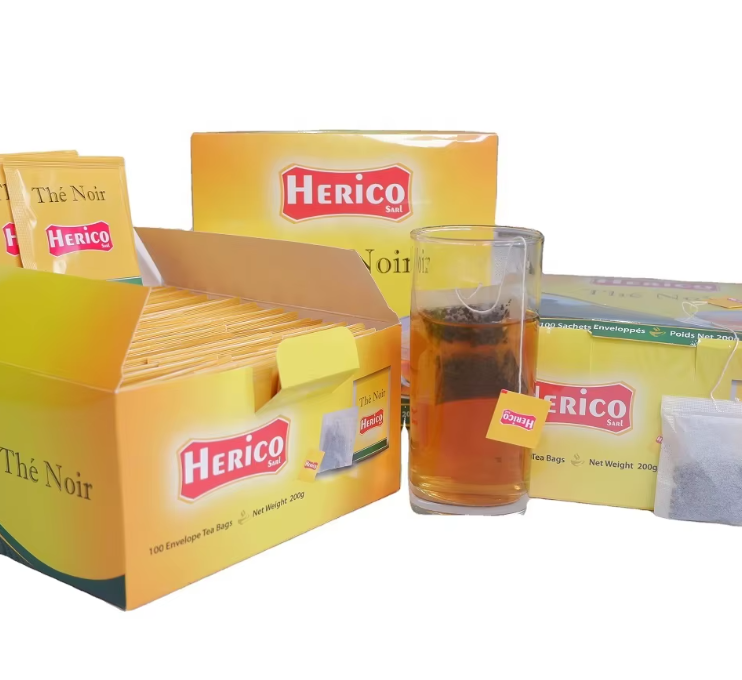
What Are Tea Bags – And How Do They Impact Flavor and Freshness?
Tea bags are porous sachets–typically made from paper, silk, nylon, or certified compostable plant-based materials–that hold measured portions of tea leaves for convenient brewing. Their construction directly shapes both flavor extraction and freshness retention through three interdependent factors:
The way materials let things pass through affects how well hot water moves around and brings out those nice smells. Most commercial products still use paper bags about 70% of the time. These can actually change the taste slightly, adding some woody flavors, and they tend to keep tea leaves from expanding properly. On the other hand, fine mesh nylon lets the tea steep better overall. But there's a catch here environmentally speaking since this material doesn't break down easily in landfills. Food Packaging Journal mentioned this back in 2023.
The quality of leaf grades really depends on what kind of packaging we're talking about. Most regular store bought tea bags actually have these small pieces called fannings or even just dust particles inside them. These bits tend to brew fast but don't give us those rich complex flavors that come from full leaves. When we look at premium pyramid shaped bags though, they work much better because they can hold complete leaves intact. This makes sense when thinking about how tea works - whole leaves release around 40 percent more oils while steeping. And this extra oil release? Well it means deeper taste profiles and more interesting aromas overall for anyone who cares about their cuppa.
The integrity of oxygen barriers in outer packaging plays a big role in keeping products fresh. Packages with heat sealed edges and those lined with foil really help slow down oxidation processes. On the flip side, if the seal gets damaged somehow, the aroma tends to fade away pretty quickly. Volatile compounds might drop off by around 25 to 30 percent over about half a year once they're exposed to regular air. For items where scent matters a lot, nitrogen flushed packaging gives better protection overall. These packages actually preserve those subtle floral or citrus smells right up until someone opens them for brewing or consumption.
Ultimately, tea bag construction reflects a trade-off between convenience and sensory fidelity: compact designs prioritize speed and consistency, while those engineered for full leaf expansion unlock richer, more nuanced infusions.
Types of Tea Bags: Paper, Silk, Nylon, and Compostable Options Compared
Tea bag materials shape not only infusion performance but also environmental impact and long-term sustainability. Four primary formats dominate the market:
| Material | Flavor Performance | Environmental Considerations | Durability |
|---|---|---|---|
| Paper | Suitable for robust blends | Often non-recyclable; may contain plastic sealants or microplastics | Moderate |
| Silk | Excellent for delicate teas | Typically synthetic (PET/nylon); non-biodegradable | High |
| Nylon | Neutral taste; no aftertaste | Non-compostable; potential for chemical leaching at high temperatures | Very high |
| Compostable | Natural flavor preservation | Plant-based (e.g., cornstarch, abaca hemp, wood pulp); home- or industrially compostable | Variable by brand |
Paper is still by far the most common choice because it's cheap to produce, but most types actually have these polypropylene sealants that make them hard to recycle properly. Then there's silk and nylon which hold up better structurally and let stuff pass through more efficiently, though they come from oil-based plastics basically. The real green options are made from plants though. Think things like PLA, which stands for polylactic acid, or those untreated abaca fibers that actually break down naturally without turning into tiny plastic bits. When looking at certifications, FSC labeling means the materials were sourced responsibly, so consumers can feel better about their eco friendly purchases knowing someone checked the boxes behind the scenes.
How Tea Bag Design Affects Infusion – Size, Shape, and Material Matter
The way tea bags are designed really affects how good the tea tastes. It's not only about the materials they're made from, but also their shape and how they're sealed shut. When tea bags have the right size, the leaves inside can spread out properly, releasing those tasty oils and compounds we love in tea. The material itself matters too since it controls how long water stays in contact with the leaves and how fast it flows through. What happens at the seal is important as well because it keeps air away until we brew our cup. Bags that aren't well designed tend to block proper water movement around the leaves, leading to inconsistent flavor extraction. This often results in bland tasting tea with an unpleasant bitter or sour aftertaste that nobody wants.
Pyramid vs. Flat Bags: Surface Area and Leaf Expansion
Tea bags shaped like pyramids actually hold around 40 to 60 percent more space inside compared to regular flat ones. This extra room lets the tea leaves spread out naturally in all directions when steeped. When leaves can expand properly, they interact better with hot water, which helps release flavors evenly without making the tea bitter from too much tannin extraction. The old flat tea bags squash everything together in just one layer, stopping proper expansion and leading to weaker tasting brews that lack aroma. This difference becomes really obvious when brewing delicate varieties like white, green, or oolong teas where subtle notes matter most.
Sealing Technology and Oxygen Barrier Performance
Better sealing techniques like ultrasonic welding produce much tighter seals compared to regular heat sealing methods, keeping out ambient oxygen very effectively. Just a tiny bit of oxygen exposure around 0.5% can start breaking down those sensitive compounds like catechins and terpenes in just a few weeks, which leads to loss of aroma and reduced antioxidant benefits over time. When it comes to packaging, high barrier options such as metallized films or layered cellulose materials make a big difference. These advanced packages can keep products fresh for about 8 to 12 extra months compared to basic paper envelopes, maintaining all those important volatile compounds right up until someone actually goes to brew them.
Sustainable Tea Bags: Navigating Biodegradability, Microplastics, and Certifications
Most regular tea bags actually contain polypropylene plastic or similar materials to keep them from falling apart when steeped in hot water. The problem is these plastics can stick around in landfills for hundreds of years and might release as many as millions of tiny plastic bits into each cup brewed. What happens next? Those microscopic fragments find their way into rivers and lakes, work their way into the dirt, and eventually make it all the way through our food chain. We know this stuff harms fish and other sea creatures, and scientists are getting more worried about what it means for people who drink tea regularly without realizing they're consuming plastic particles along with their caffeine fix.
Truly sustainable alternatives rely on plant-based feedstocks such as:
- PLA (cornstarch-derived polylactic acid)
- Unbleached abaca or hemp fiber
- Sustainably harvested wood pulp cellulose
Certifications serve as essential safeguards against greenwashing. Look for these third-party verified standards on packaging:
| Certification | Purpose | Key Criteria |
|---|---|---|
| OK Compost | Industrial compostability | Degrades within 12 weeks at 60°C |
| ASTM D6400 | Composting performance | Meets strict toxicity and disintegration limits |
| TÜV Austria | Biodegradability in soil/water | ≥90% decomposition in natural conditions within 2 years |
Avoid vague “biodegradable” labeling without certification–many such products merely fragment into persistent microplastics. Instead, prioritize tea bags explicitly certified plastic-free and home-compostable, and dispose of them in appropriate organic waste streams to close the loop and return nutrients to the soil.