
 Black Tea
 EN
EN
What 'OEM for Jasmine Tea' Actually Means—and Why It’s Rarely Fully Delivered
Beyond Private Label: Custom Blending, Scenting, and Format Innovation
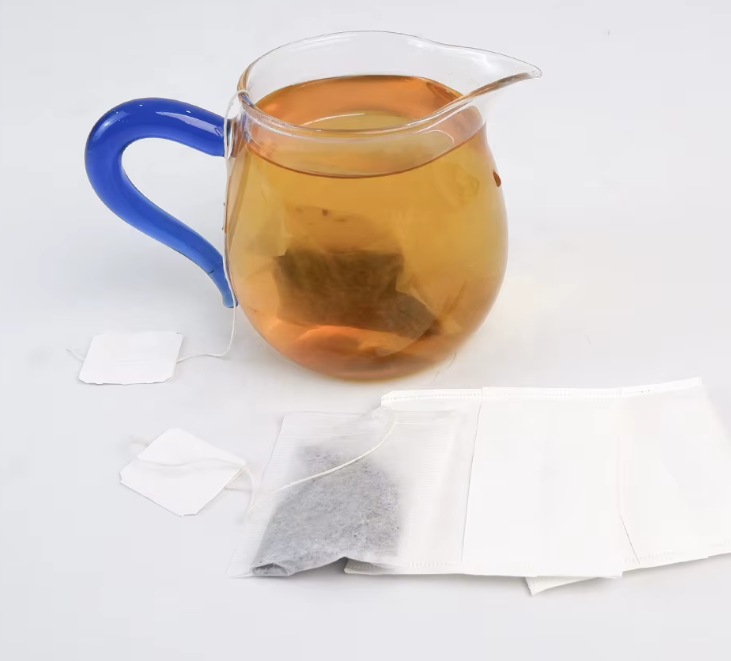
Real OEM partnerships aren't just about putting a brand name on something. These relationships actually demand that suppliers create unique jasmine tea profiles from scratch. The process involves carefully blending different tea bases, multiple scenting cycles using fresh jasmine flowers, and developing new product formats like those pyramid tea bags or compostable packaging options that keep those delicate scents intact. Most tea companies stick with their standard products though. According to recent industry data, barely a quarter manage to customize the scenting properly because of all sorts of challenges including unpredictable flower availability, not enough temperature controlled storage facilities, and simply no research department focused on these specialty blends. To truly deliver authentic OEM quality, manufacturers need to master three main areas of operation:
- Blending flexibility: Adjusting green/white tea ratios to meet target caffeine, mouthfeel, or infusion clarity goals
- Scenting control: Executing 7+ layered floral exposures over successive nights—mirroring Fujian’s heritage method—to build depth and longevity of aroma
- Format R&D: Developing infusion systems that protect volatile floral compounds during storage and brewing
The 4 Non-Negotiable OEM Capabilities: From Raw Material Sourcing to Retail-Ready Packaging
Four interdependent pillars define a credible jasmine tea OEM—and their absence explains why “OEM” is so often misapplied:
-
Origin-verified sourcing
Transparent, auditable supply chains for pesticide-free tea leaves and Grade A jasmine flowers—ideally with third-party verification of harvest timing and post-harvest handling -
Custom production infrastructure
Dedicated, humidity- and temperature-regulated scenting rooms—not shared production lines—enabling precise control over floral absorption kinetics -
Batch consistency protocols
ISO-certified lab testing for flavor profile stability, moisture content, and aromatic compound retention across production runs -
Packaging co-development
Joint development of barrier materials (e.g., metallized PET/aluminum laminates or certified home-compostable films) that prevent aroma degradation during transit and shelf life
Most suppliers lack #2 and #4, forcing brands into compromises that undermine differentiation. Without integrated capabilities, “OEM” reduces to repackaged commodity tea—offering no true brand equity or sensory distinction.
Top Global Regions for Verified Jasmine Tea OEM Suppliers
Fujian, China: The Heartland of Authentic Jasmine Tea OEM—Strengths and Due Diligence Risks
Fujian has long been known as the heartland for making real jasmine tea, thanks to traditions going back hundreds of years where tea leaves soak up flower scents during nightly sessions with fresh jasmine blooms. The region boasts lots of specialized farms, craft processors, and cooperatives focused on preserving heritage methods, which allows them to offer genuine OEM work including selecting base teas based on their origin characteristics and scenting processes timed with when flowers actually open each season. But companies need to be really careful about who they work with. About three quarters of facilities will do private labeling, but only around a third have proper paper trails showing they test for pesticides according to standards set by organizations like Global Tea Initiative in 2023. There are several big challenges too. Monsoons can mess up harvests unpredictably, and many suppliers are small independent growers, making it hard to get consistent quality between batches. When vetting partners, make sure to check their actual practices not just what they say. Look at how they handle raw materials, whether storage areas control humidity properly, and if they meet those strict FDA and EU rules about chemical residues in products.
Yunnan & Vietnam: Emerging Alternatives with BRCGS/ISO-Certified OEM Infrastructure
For brands looking beyond conventional approaches, Yunnan and Vietnam stand out as reliable options when food safety standards, ability to scale operations, and readiness for international exports matter most. More than half of the big facilities across both regions currently maintain dual certifications from BRCGS and ISO 22000 standards these days. Many are also starting to implement smart quality control systems powered by artificial intelligence that keep tabs on key factors like temperature fluctuations, humidity levels, and how long products sit exposed during processing. The climate itself works in favor of consistent production too. Longer periods when jasmine flowers bloom, fewer pests to contend with, plus seasons that stay relatively stable year after year all contribute to better harvest predictions and stricter quality management throughout the supply chain. And let's not forget about Vietnam's recent trade deals with Europe through EVFTA and membership in CPTPP which makes getting products past customs much smoother for companies targeting markets in Europe and North America. When shopping around for suppliers in these areas, look closely at who actually shows results in practice rather than just talking about them.
- MOQ flexibility below 500kg for pilot batch validation
- Blockchain-based traceability from farm to final blend, with immutable records of flower origin and scenting logs
- Enforceable IP protection agreements covering proprietary flavor profiles and process innovations
These regions excel particularly in organic, functional, and wellness-oriented variants—Yunnan’s high-altitude gardens, for example, yield naturally sweeter, lower-tannin base teas ideal for modern palates and clean-label formulations.
A Practical 5-Step Vetting Framework for Jasmine Tea OEM Partners
Step 1–3: Audit Technical Capacity, Traceability Systems, and Regulatory Compliance
Thoroughly evaluating a jasmine tea OEM partner requires methodical verification across three foundational pillars. First, inspect technical capacity:
- Confirm onsite blending and scenting equipment supports precise, repeatable cycles—typically 6–8 layers over 72 hours—with environmental controls verified via sensor logs
- Verify lab facilities conduct in-house pesticide residue testing (targeting neonicotinoids and pyrethroids), moisture analysis, and sensory panel evaluation
- Assess scalability planning for seasonal jasmine flower supply fluctuations—e.g., dual-sourcing agreements or cold-chain flower preservation protocols
Second, demand full traceability documentation. Reputable suppliers provide batch-level records tracking:
- Jasmine flower origins (certified organic farms preferred, with harvest date and post-harvest drying logs)
- Tea base varietals and provenance (e.g., Fujian Silver Needle vs. Yunnan Dianhong), including elevation and harvest window
- Scenting process timestamps, ambient conditions, and blossom-to-tea ratio per layer
Third, validate regulatory compliance. Essential certifications include:
| Certification | Purpose | Verification Method |
|---|---|---|
| ISO 22000 | Food safety management system | Check certificate validity via accreditation body databases (e.g., UKAS, ANAB) |
| FDA Facility Registration | U.S. market access | Cross-reference registration number on the FDA’s public portal |
| EU Organic Certification | Chemical-free production | Request transaction certificates (TCs) for each shipment, issued by an EU-accredited certifier |
Neglecting these audits risks inconsistent quality, failed import inspections, or shipment rejections—costing brands $50k+ per non-compliant container.