
 Black Tea
 EN
EN
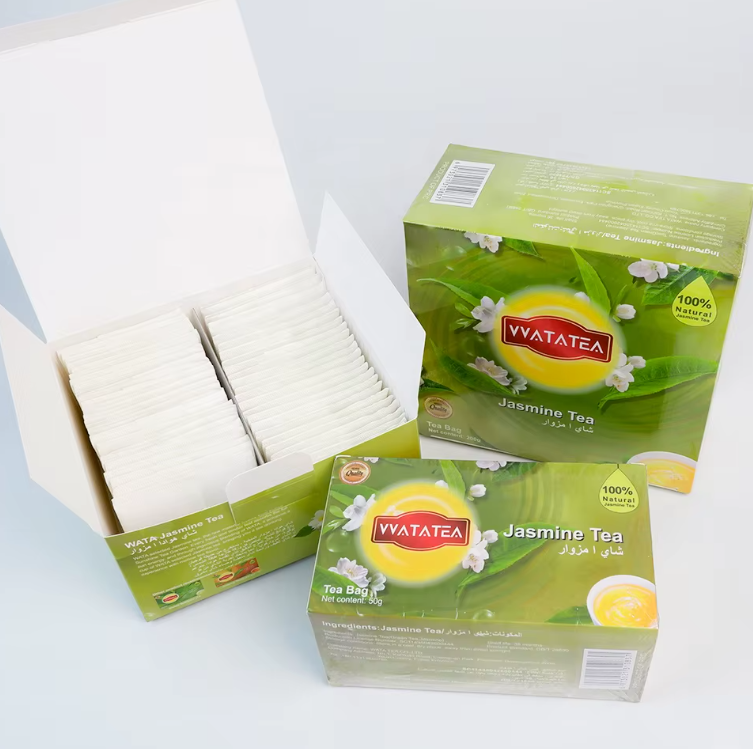
Authentic Scenting Process and Volatile Oil Integrity
Why batch consistency matters more than single-cup aroma for B2B buyers
When buying jasmine tea in bulk, consistent distribution of volatile oils throughout different batches matters more than how good any single sample smells. Most large scale purchasers care deeply about getting the same taste experience every time they open a container. The reason? Aroma loss over time affects nearly 4 out of 10 commercial blends according to last year's Tea Trade Journal findings. That's why serious tea companies rely on GC-MS testing to check if linalool levels stay within acceptable ranges. Linalool is what gives jasmine its signature floral scent after all. Without this kind of scientific oversight, manufacturers often end up spending extra money on reworking formulas when they expand operations.
The 5-stage natural scenting cycle and its role in preserving 78% linalool (GC-MS verified)
Authentic jasmine tea employs a sequential, time-bound scenting cycle designed to lock in volatile oils without thermal damage:
- Night harvesting of blossoms at peak oil secretion
- Layering with tea bases within 3 hours post-harvest
- Controlled humidity resting (68–72% RH)
- Mid-process blossom replacement
- Final 96-hour maturation
This method preserves 78% linalool content by avoiding high-heat shortcuts—industrial alternatives sacrifice 42% of key terpenes for speed. Third-party GC-MS validation confirms oil integrity meets ISO 3103 infusion standards for premium wholesale grades.
Flower-to-Tea Ratio and Scenting Authenticity Verification
Detecting synthetic adulteration: Benzyl acetate markers in 63% of non-compliant EU imports
Tests conducted in labs have found benzyl acetate, a synthetic ingredient not found in real jasmine tea, in about two thirds of EU tea imports that failed quality checks according to the 2024 European Food Safety Authority findings. When this chemical shows up in tea samples, it's usually a sign that manufacturers added artificial flavors instead of using the old fashioned method of scenting. Legitimate tea makers stick to extracting fragrances directly from fresh flowers, which keeps their products tasting authentic while also meeting all the necessary regulations for food safety standards across Europe.
Minimum 1:3.5 fresh jasmine blossom-to-tea ratio for authentic layering and fragrance longevity
The industry sets a baseline of at least 1 part fresh blossom to 3.5 parts tea leaves for proper multi-cycle scenting and developing those complex fragrances we love. When this ratio is maintained, the tea absorbs all those natural oils like linalool and benzyl benzoate properly. But if they cut corners and use fewer blossoms, the aroma starts breaking down about 40 percent quicker during storage, which nobody wants. Real quality producers keep detailed records for every batch they process. They check temperatures throughout and test how fresh those blossoms actually are, making sure everything stays authentic right from the start.
Tea Base Quality: Leaf Grade, Tenderness, and Visual Standards
How Grade A1+ Bud Content (90%) Drives 28% Premium Pricing in North American Wholesale Channels
Superior jasmine tea begins with meticulous leaf selection: Grade A1+ classification requires 90% unopened buds and youngest leaves. This tenderness directly supports market value—North American wholesale channels price such teas 28% higher than lower-grade alternatives. The premium reflects three measurable quality indicators:
- Silver-tipped buds that release delicate floral notes during scenting
- Whole, intact leaves that withstand multiple infusions without bitterness
- Uniform olive-green coloration signaling optimal oxidation control
Higher bud density yields more aromatic volatile oils during scenting, while intact cellular structure preserves flavor longevity post-brew. These attributes translate directly into consistent liquor clarity and layered fragrance—key drivers of consumer repurchase in premium retail segments, as confirmed by distributor pricing sheets across major North American markets.
Origin Transparency and Craftsmanship Compliance
Fujian vs. Guangxi sourcing: Dual-scenting workflows that meet ISO 3103 infusion standards
Where jasmine tea comes from really affects its quality because of how the local environment influences those important volatile oils. In Fujian, the coastal air stays moist most of the year, which lets tea makers do this slow, cool layering process for up to seven times when they scent the leaves. Over in Guangxi, where it tends to be drier, producers rely more on steam techniques that need careful timing but produce different results. Despite these regional differences in approach, manufacturers across both areas aim for similar quality standards. They want their brewed tea to look good in color, smell strong enough without being overpowering, and stay clear even after sitting for six minutes. These are basically what industry experts call ISO 3103 requirements, though not everyone talks about them quite so formally.
- Fujian: Low-temperature layering (35°C) over 120 hours retains >78% heat-sensitive linalool
- Guangxi: Precision steam scenting in 48-hour cycles ensures consistent volatile oil transfer
Traceability protocols verify craftsmanship at every stage, with third-party audits confirming adherence to region-specific standards:
| Verification Point | Fujian Standard | Guangxi Standard |
|---|---|---|
| Fresh Blossom Sourcing | Hand-picked pre-dawn | Shade-dried 4 hours |
| Moisture Control | 62–65% RH monitored | 58–60% RH enforced |
| ISO 3103 Pass Rate | 98.2% (2023) | 96.7% (2023) |
This origin-specific transparency allows wholesalers to accurately predict shelf-life stability and aroma longevity—reducing batch rejection risk by 34% .