
 Black Tea
 EN
EN
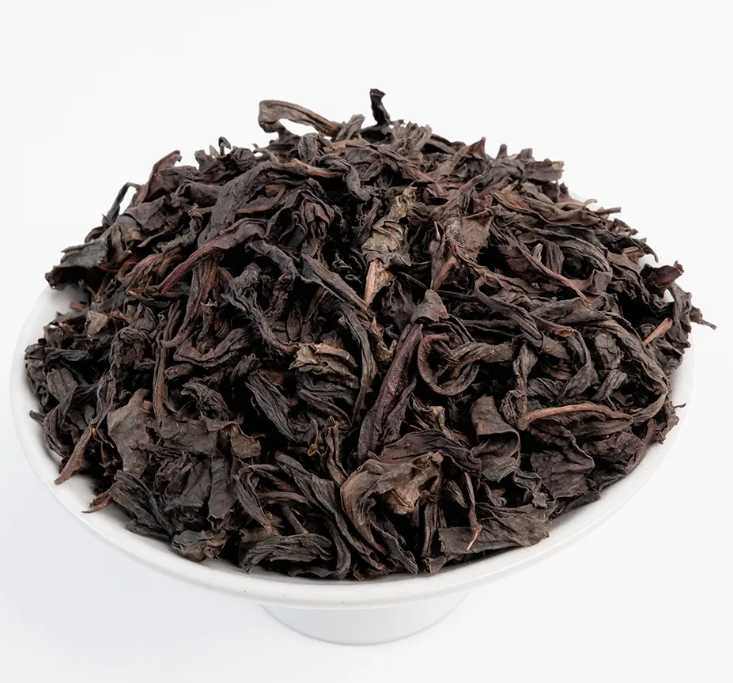
Top Origin Regions for Premium Oolong Tea Leaves
Fujian Province: Wuyi Mountains (Da Hong Pao) and Anxi (Tieguanyin) — Benchmark Terroirs for Authentic Oolong Tea Leaves
More than three quarters of China's top quality oolong tea comes from Fujian province, thanks to the unique local climates that give these teas their special character. Up in the Wuyi Mountains area, the volcanic soils packed with minerals plus those specially designated Zheng Yan growing regions produce Da Hong Pao with its distinctive smokiness and strong mineral notes that tea lovers crave. Down south in Anxi County, the constant mist covering the hills creates perfect conditions for Tieguanyin to develop its famous floral scent reminiscent of orchids, along with that clean taste that lingers long after drinking. The oxidation process applied by skilled tea makers varies carefully depending on what they see in each harvest batch, which helps maintain the true flavors of the land while avoiding any unnecessary processing steps that might ruin the natural qualities.
Taiwan’s High-Mountain Oolong Tea Leaves: Dong Ding, Alishan, and Lishan — Elevation-Driven Complexity and Consistency
When grown above 1,000 meters elevation, these special Taiwanese mountain oolongs really take on unique characteristics because they grow so much slower in the cooler climate. The Dong Ding region gives us something pretty balanced with medium oxidation levels that bring out those roasted chestnut flavors along with just a hint of floral notes. Then there's Alishan where the constant fog creates this amazing velvety texture when you drink it. And don't get me started on Lishan tea! The steep rocky terrain there somehow makes for these bright jasmine-like smells and a structure that holds together really well, which is why many commercial blends incorporate it. What happens at higher altitudes too is interesting from a chemical standpoint. The frost exposure actually boosts amino acids in the leaves, and this has a real effect on taste quality. Studies show this can cut down on astringency by about 30% compared to what we see in lower elevation teas.
Guangdong’s Phoenix Mountains: Fenghuang Dancong Oolong Tea Leaves — Single-Varietal Expression and Micro-Lot Traceability
What makes Phoenix Dancong really special is how they harvest individual bushes from over 200 different cultivars. Think about it: there's Mi Lan Xiang with its sweet honey orchid scent, Huang Zhi Xiang that carries this warm ginger spice quality, and then Ya Shi Xiang which has this distinctive duck shit aroma character. Each bush basically tells its own story through these unique fragrance profiles. The tea grown at higher elevations between 800 and 1,000 meters tends to develop stronger stone fruit flavors along with those floral and spicy undertones we love. Tea producers go to great lengths to preserve these delicate aromas by using nitrogen flushed packaging as standard practice. They also implement micro lot coding systems so consumers can actually track where their tea came from right down to when it was harvested and what elevation zone it grew in. This helps ensure the moisture stays under 4.5% according to those ITMA 2023 guidelines everyone keeps talking about lately.
How to Evaluate Oolong Tea Suppliers for Commercial Reliability
Direct Trade vs. Consolidators: Balancing Traceability, MOQ Flexibility, and Ethical Sourcing of Oolong Tea Leaves
When it comes to premium oolong teas like Phoenix Dancong or those fancy high mountain Taiwanese blends, having complete traceability from farm to cup just isn't optional anymore. Direct trade relationships give buyers clear info on when leaves were harvested, exactly what type of tea plant was used, and whether it truly comes from its claimed region. But there's usually a catch with minimum order quantities being quite steep. On the flip side, consolidator companies can handle larger volumes and mix different origins together, which works well for some businesses. However, they tend to lose track of where exactly each batch came from. No matter which approach a company takes, it makes sense to work with suppliers that actually check their ethics box through real actions like paying farmers directly or getting proper Fair Trade certifications instead of just slapping on any old label that looks good.
Non-Negotiable Quality Controls: Moisture Content (<5%), Oxidation Consistency, Harvest Date Transparency, and Organic/JAS/USDA Certifications
Commercial buyers must enforce strict, verifiable quality benchmarks:
| Parameter | Standard | Verification Method |
|---|---|---|
| Moisture Content | <5% | ISO 3720 lab testing |
| Oxidation Level | Batch consistency (±3%) | Sensory evaluation + spectrophotometry |
| Harvest Date | Current season (≤12 months) | Supplier documentation audit |
| Certifications | Organic/JAS/USDA | Certificate validation |
Post-harvest handling—including temperature-controlled storage and rapid processing—is equally critical. Oolong tea leaves exceeding 5% moisture are at elevated risk of mold development during transit, according to the Food Safety Journal (2023). Always require third-party lab reports for pesticide residues and heavy metals alongside full origin documentation.
Commercial-Specific Logistics and Branding for Oolong Tea Leaves
Wholesale Packaging, Nitrogen-Flushing, and Food-Grade Foil Liners to Preserve Freshness of Oolong Tea Leaves
Keeping those delicate oolong aromas intact requires careful packaging choices. When bulk containers get flushed with nitrogen instead of regular air, it cuts down on oxidation problems significantly. This makes a big difference in preserving those precious flavor notes that tend to fade over time. The best packages include multi layer foil linings that block out both light and moisture. These barriers stop unwanted flavors from developing while keeping humidity levels low enough (around 5% or so) to maintain quality. For restaurant owners and store managers who buy in bulk, this kind of protection means every batch tastes just as good as the last one throughout their entire supply chain.
Private Labeling Options and Minimum Order Quantities (MOQs) for Restaurants, Retailers, and E-Commerce Brands
B2B partners benefit from scalable MOQs starting at 25kg for custom-branded oolong tea leaves, designed to serve diverse operational scales. Private labeling includes:
- Custom packaging featuring origin storytelling, brewing guidance, and sensory cues
- Compliance-ready labels with USDA Organic or JAS certification badges
- Sustainable material options, including plant-based pouches and recyclable laminates
E-commerce brands access volume-based pricing tiers—with bulk discounts beginning at 100kg—while consolidators support cost-efficient blended shipments. This flexibility allows retailers to align inventory flow with brand positioning without compromising freshness or compliance.
Table of Contents
-
Top Origin Regions for Premium Oolong Tea Leaves
- Fujian Province: Wuyi Mountains (Da Hong Pao) and Anxi (Tieguanyin) — Benchmark Terroirs for Authentic Oolong Tea Leaves
- Taiwan’s High-Mountain Oolong Tea Leaves: Dong Ding, Alishan, and Lishan — Elevation-Driven Complexity and Consistency
- Guangdong’s Phoenix Mountains: Fenghuang Dancong Oolong Tea Leaves — Single-Varietal Expression and Micro-Lot Traceability
- How to Evaluate Oolong Tea Suppliers for Commercial Reliability
- Commercial-Specific Logistics and Branding for Oolong Tea Leaves