
 Black Tea
 EN
EN
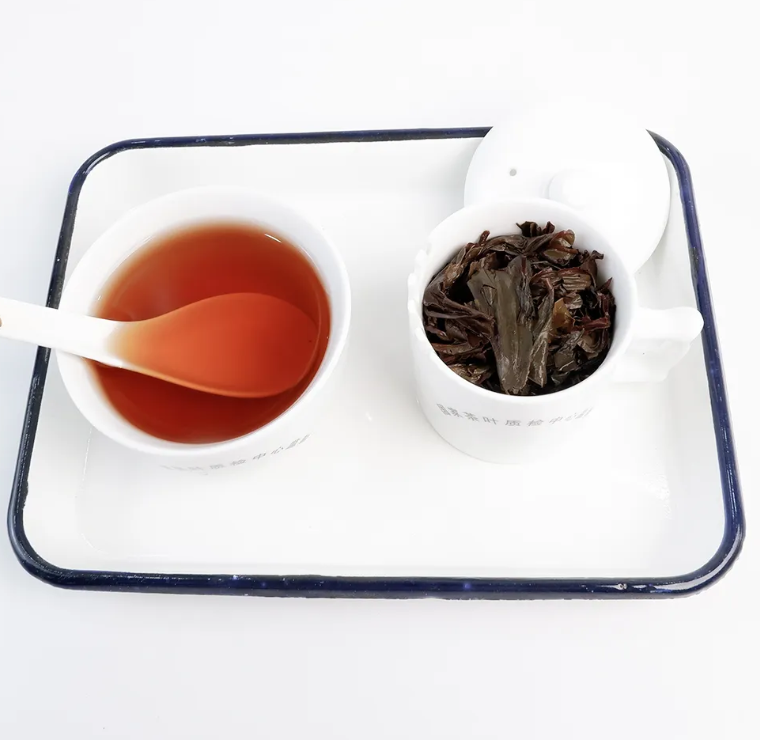
The Core Oolong Tea Processing Stages and Their Time Requirements
Why Multi-Stage Oxidation and Roasting Extend Lead Time vs. Green or Black Tea
Making oolong tea takes much longer compared to green or black varieties because of those complicated oxidation and roasting steps. Green tea basically stops the oxidation process right away with heat treatment that's usually done within a day or so. Black tea goes all the way through oxidation in just one controlled session lasting around 2 to 3 hours. Oolong is different though. It gets partially oxidized somewhere between 10% and maybe even 70%, depending on what kind they're making. This happens after multiple rounds of bruising and letting the leaves rest for periods ranging from about 8 to 16 hours. Workers actually have to tumble these leaves every hour in special bamboo drums to crack open the cells just enough so enzymes can do their thing. But let's be honest, this whole manual process eats up an extra day or two compared to green tea production. For premium quality oolongs, there's another lengthy phase where they roast the leaves for anywhere from 3 to 10 days total. That includes several sessions at lower temperatures (around 100 to 120 degrees Celsius), each taking 4 to 8 hours plus necessary cooling breaks in between. Unlike black tea which just needs a single drying step, this back and forth roasting method really stretches out the timeline by about 5 to 15 days overall. And honestly? This extra work is what gives oolong its amazing aroma profile that makes it worth all the wait.
Typical Timeline: From Plucking to Finished Batch (Wuyi Rock Tea Case Study)
Wuyi Rock tea exemplifies oolong’s extended processing, requiring 18–25 days from harvest to final batch:
| Stage | Duration | Key Details |
|---|---|---|
| Plucking & Withering | 8–12 hours | Morning harvest; outdoor/indoor wilting |
| Bruising & Oxidation | 12–16 hours | Hourly tumbling for 30–50% oxidation |
| Kill-Green & Rolling | 4–6 hours | Pan-firing then shaping leaves |
| Primary Drying | 2–3 hours | 120°C dehydration to ~30% moisture |
| Charcoal Roasting | 7–15 days | 3–5 cycles with 48-hour rests between |
| Final Sorting | 1 day | Removal of stems/uniform grading |
This phased structure—especially the repeated charcoal roasting—ensures the mineral intensity and layered complexity characteristic of Wuyi oolongs, but triples the timeline of non-roasted teas.
Key Factors That Lengthen Custom Oolong Tea Production Lead Time
Artisanal Roasting Cycles: How 2–4 Rounds Add 3–10 Days to Finalization
Making custom oolong tea is all about those multiple rounds of careful roasting that bring out the best flavors, textures, and shelf life. The process typically runs at around 90 to 120 degrees Celsius, with plenty of rest time needed so moisture can redistribute throughout the leaves. Master roasters constantly adjust things based on what they smell and see during each session. This differs from automated drying methods because it needs constant attention from experienced hands checking how the leaves feel, watching how aromas develop, and noticing when colors start changing to prevent any burnt spots while keeping those fragile scent molecules intact. After an initial roast, there's usually another one taking about 3 to 5 days for flavors to settle in properly. For deeper charcoal roasts like those famous Wuyi style teas, we're talking 3 or 4 separate roasting cycles over anywhere from 7 to 10 days total. The equipment has to cool down between these sessions which definitely slows things down, but that extra waiting period allows those wonderful caramel, roasted, and earthy mineral flavors to slowly appear in the final product that makes premium oolong so special.
Quality Control Rigor: Sensory Evaluation and Moisture Testing Delays
Post-roasting verification adds 2–4 days through non-negotiable protocols:
- Moisture testing using calibrated instruments to confirm ≤5% residual moisture—the industry-standard threshold for microbial safety and flavor preservation
- Triple-check sensory panels, where certified master blenders evaluate aroma, mouthfeel, and finish against benchmark samples across multiple sittings
- Batch isolation during evaluation to prevent cross-contamination and ensure traceability
Moisture tests take anywhere from 12 to 24 hours to reach proper thermal balance before we can get accurate readings. When batches fail, they have to go through re-roasting which starts the whole timing process over again. The sensory evaluations are done deliberately slowly too, spread out across several days in a row so we can spot those tiny changes in flavor balance and how long the taste lasts. Studies indicate this strict quality control cuts down on defects after production by around 62 percent according to the Journal of Food Science from last year. These extra waiting periods aren't really bottlenecks at all when it comes to making premium oolong tea. They're actually smart investments in product quality that pay off big time in the end.
Comparative Lead Times Across Major Oolong Tea Styles
Tieguanyin (Anxi) vs. Dong Ding (Taiwan): Oxidation Level and Roast Depth Impact
The time it takes to produce custom oolong tea varies quite a bit depending on where it comes from, mainly because different regions handle oxidation levels and roasting techniques differently. Take Anxi Tieguanyin for example. This style gets only light oxidation around 15 to 30 percent, which helps keep those beautiful floral notes fresh. Tea masters achieve this through several quick roasting sessions spread out over three to five days, letting the leaves rest in between each round so the aroma can develop properly. All these steps add up to about 18 to 22 days total processing time. On the other hand, Dong Ding oolong goes through medium oxidation levels between 30 and 50 percent. Instead of many short roasts, they focus on fewer but much longer sessions lasting anywhere from eight to twelve hours each. This creates that distinctive toasted sugar flavor people love. Although the actual roasting happens faster, taking four to six days, the deeper heat treatment means another five to seven days are needed afterward just to let everything settle down and avoid any bitter aftertaste. So when all is said and done, Dong Ding usually takes around 20 to 25 days from harvest to packaging. That extra time isn't spent actively working on the tea, but rather allowing nature to do its thing during those crucial resting periods.
How Drying Methods and Environmental Controls Influence Schedule Predictability
The last drying step matters most when it comes to timing in oolong tea making because how we dry and where we do it really affects how long everything takes. Traditional methods using charcoal might take forever compared to modern hot air systems, sometimes adding nearly two full days extra work, but they give that rich flavor profile nobody else gets and usually hit that sweet spot between 3% and 5% moisture content. Those fancy automated machines? They can mess things up pretty badly too. If the air isn't moving right or temperatures fluctuate just a bit, the tea ends up tasting flat or having those weird hollow notes nobody wants. Weather makes life harder for everyone involved. Places with lots of humidity need about 15 to 20 percent more time just to get rid of enough water from the leaves. Temperature changes bigger than five degrees Celsius while roasting will lead to uneven color development or stop oxidation processes altogether, forcing workers back to square one. Tea houses that invest in proper drying rooms with controlled conditions around 55% humidity plus good airflow cut down on unpredictable delays by roughly a third to almost half. For smaller operations without these expensive setups, rainy seasons become major headaches. Monsoons arriving out of nowhere mean waiting an extra week or two before shipping anything since all that extra moisture slows down evaporation and creates mold problems during rest periods when the tea should be developing properly.