
 Black Tea
 EN
EN
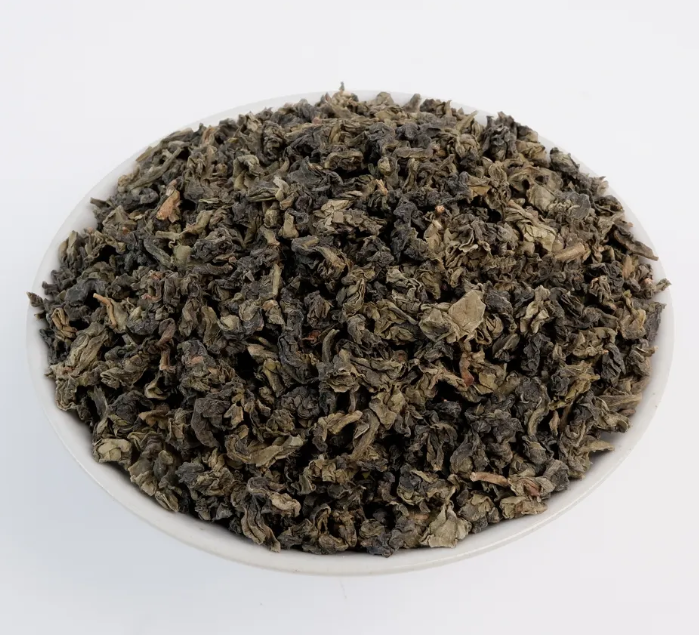
Oolong Tea’s Unique Oxidation Profile and Packaging Challenges
How Semi-Oxidation (10–70%) Makes Oolong More Vulnerable Than Green or Black Tea
The unique semi-oxidation process of oolong tea, typically ranging from around 10% to 70%, gives it a chemical profile that is both active and somewhat unpredictable. Green teas, which oxidize less than 10%, keep most of their protective catechins and amino acids intact. Black teas go through much higher oxidation levels, usually between 80% and 90%, where the compounds transform into stable forms like thearubigins and theaflavins. Oolong sits somewhere in between these extremes, in what many call a reactive sweet spot. Because of this partial oxidation, important components such as polyphenols, volatile terpenes, and various amino acids remain in transition states. These compounds don't settle down properly, so they tend to break down more easily when exposed to different storage conditions over time.
Critical Degradation Factors: Oxygen, Light, and Moisture Effects on Key Aroma Compounds (e.g., linalool, geraniol)
Three stressors drive rapid quality loss in oolong:
- Oxygen: Accelerates oxidative breakdown of floral terpenes like linalool and geraniol, eroding top notes within days
- Light: UV exposure degrades light-sensitive volatiles, flattening aromatic complexity and diminishing fruity-floral lift
- Moisture: Humidity above 60% RH promotes hydrolysis of catechins and microbial activity, introducing stale, musty, or fermented off-notes
Peer-reviewed research shows improper storage can reduce key aroma compound concentration by up to 40% in just 30 days—highlighting why nitrogen-flushed, opaque, and moisture-barrier packaging is essential for preserving oolong’s sensory signature.
Leaf Grade, Size, and Structural Integrity in Tea Bag Formats
Why Whole-Leaf and Tippy Oolongs (e.g., Tieguanyin, Da Hong Pao) Struggle with Standard Filter Paper
High quality oolong teas such as Tieguanyin and Da Hong Pao need plenty of room to expand when brewed. These tightly rolled leaves can swell up to three to five times their original size during steeping, which helps unlock all those amazing flavors and fragrances hidden inside. Regular flat tea bags just don't give them enough space to spread out properly. The leaves get squished together, making it hard for water to reach every part of them. Plus, most standard tea filters are made from thick paper that blocks some of the good stuff from getting through. Aromas like linalool and geraniol get trapped instead of released into the cup, resulting in weak, flat tasting brews that miss out on all the complexity these premium oolongs have to offer.
Adaptable Grades: BOP vs. FOP — Balancing Flavor Integrity and Bag Compatibility
For those making bagged oolong teas, Broken Orange Pekoe (BOP) and Flowery Orange Pekoe (FOP) represent practical choices that strike a balance between quality and convenience. The BOP grade consists of smaller, consistently sized pieces that brew quickly even in tight packaging spaces. This makes them great for mass production where speed matters most, though many tea enthusiasts notice that these leaves tend to lose some of their complex aromas during processing. On the other hand, FOP contains more whole leaf segments along with delicate tips that help retain important oils and maintain the leaf structure. While they still fit into standard tea bags, FOP generally offers a richer tasting experience because the leaves aren't as broken down as BOP varieties.
| Grade | Leaf Size | Flavor Retention | Bag Compatibility |
|---|---|---|---|
| BOP | Small fragments | Moderate | Excellent |
| FOP | Partial whole leaves | High | Good |
| Whole Leaf | Intact leaves | Optimal | Poor |
When processed with care—avoiding excessive cutting or heat exposure—FOP-grade oolongs deliver the strongest balance of authenticity and functional performance in tea bag formats.
Optimizing Tea Bag Design for Oolong Tea: Pyramid Bags as the Preferred Solution
Spatial Expansion and Infusion Kinetics: Why Pyramid Bags Preserve Oolong’s Complexity
The pyramid shape works really well with oolong teas because of how these semi-oxidized leaves behave. These triangular tea bags actually offer around 40% extra space inside compared to regular flat ones. This means those tightly curled leaves can open up properly, move around, and get properly wet when steeped. What happens next is pretty similar to what occurs when brewing loose leaf tea. The water can reach all parts of the leaves better, extracts flavors more evenly, and lets out those special aromas like linalool, geraniol, and methyl jasmonate which give oolongs their distinctive floral notes, creamy texture, and roasted undertones. Most people find that pyramid shaped bags produce a fuller body in the mouth, deeper aromas, and flavors that develop more smoothly throughout the cup compared to standard tea bags.
Loose Leaf vs. Tea Bag Trade-Offs: Quality, Convenience, and Market Positioning for Oolong Tea
Oolong tea stands somewhere between tradition and convenience. Most serious tea lovers still prefer whole leaf loose oolong because it lets the leaves expand fully during brewing, allows better control over water temperature and steeping time, and brings out all those complex flavors that make oolong so special. According to last year's Tea Trade Journal, around two thirds of high end tea shops feature loose leaf oolong as their main attraction. Tea bags work differently though. They're popular in offices and among people who need something quick - about seven out of ten such consumers go for bagged tea. But traditionalists argue that tea bags just don't deliver the same aroma and flavor because the leaves can't really unfurl properly. Pyramid shaped tea bags seem to be changing things a bit. They aren't perfect copies of loose leaf tea, but they do a much better job than regular flat sachets when it comes to taste and smell, plus they stay portable and easy to prepare. Brands that care about quality understand what makes good oolong tea special and want customers to actually enjoy drinking it.
Table of Contents
- Oolong Tea’s Unique Oxidation Profile and Packaging Challenges
- Leaf Grade, Size, and Structural Integrity in Tea Bag Formats
- Optimizing Tea Bag Design for Oolong Tea: Pyramid Bags as the Preferred Solution
- Loose Leaf vs. Tea Bag Trade-Offs: Quality, Convenience, and Market Positioning for Oolong Tea