
 Black Tea
 EN
EN
Optimize Storage Conditions for Wholesale Tea Stability
Moisture control: Preventing mold, flavor loss, and shelf-life degradation in bulk tea
Tea leaves are hygroscopic—readily absorbing ambient moisture—which accelerates mold growth, enzymatic degradation, and volatile aroma loss. Industry research confirms that relative humidity above 60% compromises wholesale tea quality within weeks. To preserve sensory integrity and extend shelf life by up to 8 months:
- Store in airtight, food-grade containers with vapor barriers
- Maintain warehouse RH at 45–55% using calibrated dehumidifiers
- Supplement with silica gel desiccants in secondary packaging
- Monitor continuously with NIST-traceable digital hygrometers
Consistent moisture management safeguards delicate terpenes and catechins, ensuring batch-to-batch aroma fidelity across orders.
Light, temperature, and oxygen management: Mitigating oxidation in wholesale tea warehousing
UV light and elevated temperatures drive photo-oxidation—degrading chlorophyll, theaflavins, and volatile oils—while residual oxygen accelerates polyphenol breakdown and staleness. Thermal mapping data shows oxidation rates triple above 25°C (77°F), directly impacting color stability and cup clarity. Optimal warehousing requires strict control of three interdependent factors:
| Factor | Threshold | Protection Method |
|---|---|---|
| Light | 0 lux exposure | Opaque, UV-blocking containers; blackout curtains in staging areas |
| Temperature | 15–20°C (59–68°F) | Climate-controlled, insulated storage zones with redundant HVAC monitoring |
| Oxygen | <0.5% residual | Nitrogen-flushed, multi-layer barrier packaging with oxygen scavengers |
These controls collectively preserve antioxidant activity, infusion brightness, and the nuanced sensory profile expected in premium wholesale tea.
Implement Standardized Grading and Batch Traceability for Wholesale Tea
Leveraging industry grading (e.g., FTGFOP, BOP) to objectively benchmark wholesale tea quality
Tea grading systems such as FTGFOP (Full Tea Golden Flowery Orange Pekoe) and BOP (Broken Orange Pekoe) offer clear standards that people around the world recognize. These ratings are based on how the leaves look physically – things like their size, how consistent they appear, whether there are golden tips present, and if there's any stalk or dust mixed in. Compared to vague descriptions that can mean different things to different people, these grading standards actually tie into how well the tea performs when brewed. For instance, FTGFOP means the leaves stay intact with those nice golden tips, resulting in a balanced bitter taste and complex aroma that unfolds while steeping. When buyers and sellers agree on these classification systems, it cuts down on confusion during purchases, makes sure everyone knows what to expect, and minimizes arguments about quality since judgments are based on actual leaf characteristics instead of just someone's opinion.
End-to-end batch tracking: From harvest date and origin lot to dispatch log for accountability
Digital batch traceability systems track all sorts of unchangeable data throughout the entire process from picking fresh leaves right up until they're loaded onto pallets. Think about things like when exactly the tea was harvested during different seasons (first flush versus monsoon season), where it came from (specific estate ID), how high up it grew (elevation matters!), whether it went through traditional Orthodox processing or modern CTC methods, plus ongoing monitoring of storage conditions in real time. When cuppers notice something off in taste tests, this detailed information helps pinpoint exactly what went wrong. For instance, if a batch tastes less bright than expected, we can look back and see if the withering process was too slow. Or maybe those floral notes are missing because the drying temperature got too hot at some point. According to research published last year in Food Control, companies using these tracking systems saw their quality complaint rates drop by nearly two thirds simply because they could fix problems before having to recall entire batches. And let's not forget one major benefit: preventing accidental mixing between different harvests or regions. This keeps the unique characteristics of each tea intact, which is absolutely essential for specialty buyers who want to showcase specific flavors associated with particular growing areas.
Enforce Rigorous Incoming Inspection for Every Wholesale Tea Shipment
Packaging integrity and sensory triage: First-line assessment of leaf appearance and aroma
Incoming inspection begins before opening: verify undamaged, sealed packaging with intact moisture barriers—any punctures, swelling, or condensation signal prior humidity exposure. Immediately upon opening, conduct sensory triage:
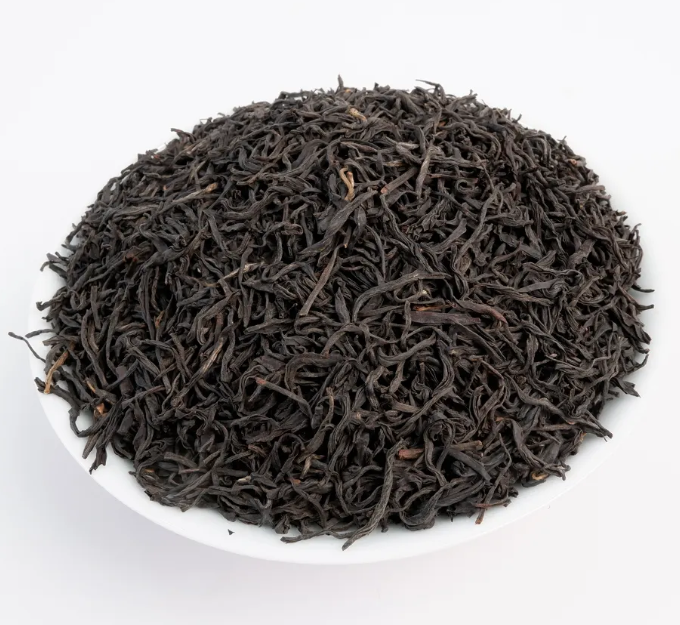
- Visual: Assess leaf size uniformity, color vibrancy (e.g., coppery black for orthodox Assam), and freedom from stems, fannings, or extraneous matter
- Aroma: Detect intensity, purity, and typicity—musty, sour, or cardboard-like notes indicate microbial spoilage or oxidation pre-dating receipt
A 2023 Tea Trade Journal study linked inconsistent aroma detection at intake to a 34% increase in post-dispatch quality complaints—underscoring its role as the most sensitive early-warning indicator.
Taste evaluation protocol: Standardized cupping for mouthfeel, finish, and consistency verification
All shipments undergo ISO 3103–compliant cupping using fixed parameters: 90°C water, 3-minute steep for black teas, and a standardized 2g/150mL leaf-to-water ratio. Trained panels evaluate three core dimensions:
- Mouthfeel: Balance of astringency, body, and smoothness—excessive bitterness or thinness signals over-fermentation or poor leaf selection
- Finish: Persistence and character of aftertaste (e.g., clean maltiness in Assam; lingering floral sweetness in Darjeeling)
- Consistency: Quantitative comparison against certified reference samples from prior approved batches; deviations >5% in intensity or profile shift trigger investigation
Documented cupping logs serve as auditable quality evidence and feed continuous improvement loops with suppliers.
Maintain Supply Chain Integrity to Safeguard Wholesale Tea Quality
The integrity of the supply chain matters a lot when it comes to maintaining quality in wholesale tea. Think of it as where careful farming practices meet strict operational standards. There are several risk factors that can mess things up along the way. Weather patterns have become unpredictable these days, which affects harvest timing. When tea leaves get picked during monsoons and then processed without proper adjustments to the withering period, they end up tasting flat and woody. Another problem occurs when green teas travel through transport systems with fluctuating temperatures. This causes the fats in the leaves to break down faster than normal. And let's not forget about tracking issues. Without good traceability throughout the system, it becomes impossible to pinpoint where contamination might be coming from. To handle all these problems effectively requires focusing on three main areas:
- Strategic partnerships: Long-term contracts with vetted estates that share real-time harvest and processing data—not just price terms
- End-to-end visibility: Integrating traceability into ERP systems so origin lot data auto-populates inspection checklists and cupping reports
- Geographic diversification: Sourcing complementary grades across regions (e.g., robust Assam for strength, delicate Nilgiris for fragrance) to buffer seasonal or political disruptions
This integrated approach doesn’t just prevent defects—it builds brand equity through predictable excellence, turning each wholesale shipment into a reaffirmation of trust.