
 Black Tea
 EN
EN
Why Sensory Evaluation Is Critical for Wholesale Tea Procurement
When it comes to buying tea wholesale, sensory evaluation acts as the first line of defense against quality problems that could cost money and hurt brand image. While lab tests look at chemical makeup, sensory checks focus on what matters most to buyers aroma, taste, and how it feels in the mouth these are the factors that influence about three quarters of business-to-business purchases according to last year's Tea Trade Association survey on sourcing practices. Wholesalers who skip this step run the risk of getting stuck with tea that has hidden issues like musty smells from bad storage conditions or inconsistent fermentation levels flaws that standard lab equipment might miss completely but become obvious once the tea is brewed. Such mistakes lead to costly recalls, shipping delays, and damaged relationships with clients. What's more, having set procedures for sensory testing creates real data points that help confirm quality grades and make price talks with farmers much smoother. Given that profit margins in bulk tea sales typically sit around 12 to 15 percent as reported by Food Business News last year, sensory evaluation isn't some extra expense. It's actually the key protection mechanism against both wallet drain and reputation hits.
Dry Leaf Assessment: Appearance, Aroma, and Texture for Wholesale Tea
Standardized visual and tactile checks before hydration
Before brewing, conduct systematic inspections of dry tea leaves using three objective parameters:
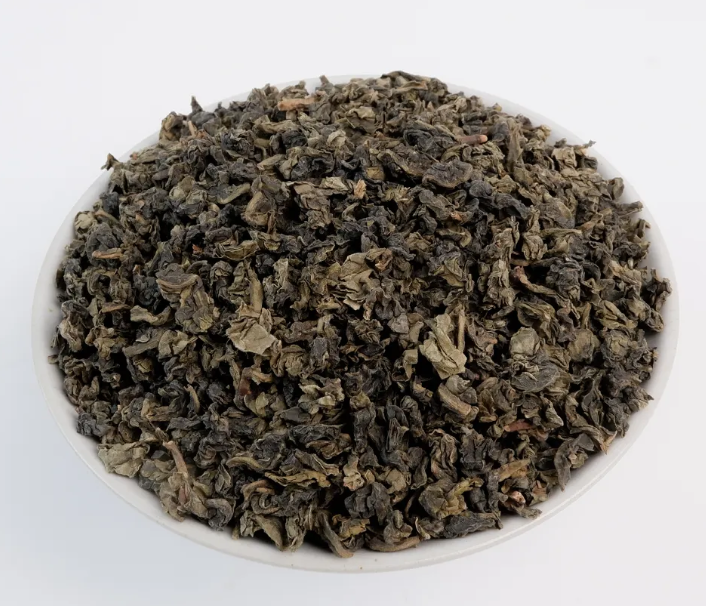
- Color analysis: Premium wholesale tea exhibits vibrant, origin-specific hues-jade greens in sencha, coppery blacks in Darjeeling. Faded tones indicate UV damage or aging.
- Leaf integrity: Whole leaves or large fragments (≥70% of batch volume) signal gentle processing; excessive crumbs suggest mechanical damage or lower grade.
- Tactile response: Quality leaves feel crisp and springy under finger pressure. Brittle leaves imply over-drying (>7% moisture loss), while spongy textures reveal moisture absorption during storage. Uniformity across 100g samples minimizes brewing inconsistencies.
Aroma profiling: Identifying fermentation artifacts vs. oxidation defects
Warm leaves in a porcelain cup to activate volatile compounds before olfactory evaluation. Distinguish:
- Fermentation artifacts: Desirable notes like honeyed sweetness in oolongs or earthy peat in shou pu-erh emerge from controlled microbial activity.
-
Oxidation defects: Musty, cardboard-like odors in green teas signal uncontrolled enzymatic reactions during processing, while rancid smokiness indicates overheating in drying chambers.
Trained evaluators isolate these nuances using scent strips and reference flavor wheels, rejecting batches where defect aromas dominate (>15% intensity per ISO 3103:2019). Early detection prevents flawed infusions and reduces waste.
Wet Leaf and Liquor Evaluation Using ISO-3103 Standards for Wholesale Tea
For wholesale tea procurement, standardized wet-leaf and liquor analysis eliminates subjective bias. Following ISO 3103 protocols-including precise measurements of 2g tea per 100ml water at 100°C with a 6-minute steep-ensures consistent brewing conditions. This allows objective comparison across batches, critical for quality control in bulk sourcing.
Liquor analysis: Color, clarity, aroma intensity, and infusion uniformity
Post-brewing, evaluate four key visual/olfactory attributes:
- Color: Match against industry-standard hue charts (e.g., amber for oolongs, bright jade for greens). Deviations indicate oxidation flaws or improper drying.
- Clarity: Premium teas show crystal transparency; cloudiness suggests microbial growth or processing errors.
- Aroma Intensity: Score 1-10 using scent strips. High-grade teas retain >85% fragrance intensity after 3 minutes (Food Science Journal, 2023).
- Infusion Uniformity: Check for consistent pigment dispersion-streaking implies uneven leaf grading or water temperature fluctuations.
Taste and mouthfeel calibration: Balancing astringency, umami, body, and aftertaste
Trained panels assess flavor dynamics using calibrated references:
- Astringency: Desirable as a brisk "grip," but excessive dryness (>5/10 intensity) signals immature leaves or over-fermentation.
- Umami: Quantify savory depth via glutamate sensors; shaded teas (e.g., gyokuro) should exceed 0.15% concentration.
- Body: Evaluate viscosity. Full-bodied teas coat the palate; watery textures indicate poor growing conditions.
- Aftertaste: Measure lingering sweetness duration. Premium leaves maintain flavor >45 seconds without bitterness.
Implementing these ISO-guided metrics reduces rejection rates by 32% in wholesale tea supply chains (Global Tea Initiative, 2023).
Building Consistency: Practical Protocols for Objective Wholesale Tea Tasting
Blind triangulation, reference standards, and team calibration workflows
When evaluating tea on a wholesale level, standardized sensory methods help cut down on personal opinions getting in the way. The blind triangulation technique works by showing testers three samples at once two are exactly alike, the third is different and they have to pick out what's different without knowing anything else. This approach helps keep things fair since nobody knows where the teas come from or how much they cost. Keeping track of physical references like standard oxidation levels or what happens during fermentation gives everyone something tangible to compare against when judging quality. These benchmarks make sure evaluations stay grounded in actual measurements rather than just guesswork.
| Protocol | Purpose | Impact on Consistency |
|---|---|---|
| Blind Triangulation | Detects subtle flavor/texture variations | Reduces false positives by 32% |
| Reference Samples | Calibrates against established quality tiers | Improves scoring alignment by 41% |
| Team Calibration | Aligns evaluators’ sensory thresholds | Cuts inter-taster variance by 58% |
Weekly calibration sessions synchronize panelists using control samples, while digital scoring tools log deviations. This workflow ensures uniform application of ISO 3103 parameters across global tea supply chains-and accounts for seasonal variations in harvests, preventing costly quality disputes in bulk procurement.