
 Black Tea
 EN
EN
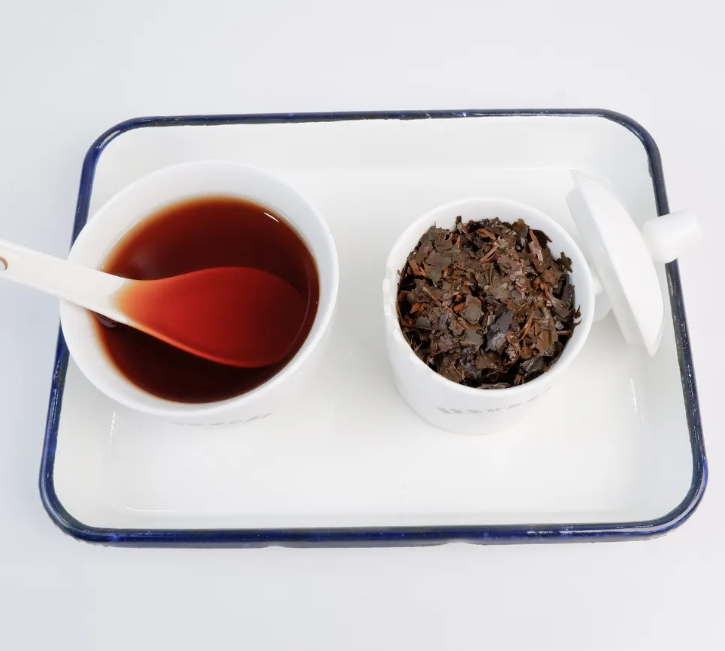
Why Customization Is Reshaping the Chinese Tea Market
Gen Z Demand and the Rise of Co-Created Tea Experiences
The younger generation in China is totally changing how people think about tea. What was once just an old tradition is now becoming something personal and fun for many young folks. About two thirds of those between 18 and 26 who drink tea say they want something unique when choosing their drinks. They don't want the same boring stuff everyone else gets. Instead, these kids love mixing things up with different tastes, textures, and even special health boosters added to their tea. Companies have noticed this trend and started letting customers help create new products online. Platforms now ask what people want before making decisions, so regular tea lovers get to be part of the process. And social media? That's where all the action happens. Posts showing off custom tea blends tend to get way more attention than store bought options do. People share pictures of their creations, talk about them, and build connections over these personalized drinks, which makes brands stickier because everyone feels like they helped make something special together.
Behavioral Economics: How Choice Architecture Drives Loyalty in Chinese Tea Brands
In today's crowded Chinese tea market, what really keeps customers coming back isn't just having lots of different teas available. It's actually about how those choices are presented to them. Tea companies that use psychology tricks in their customization options tend to get customers buying again much more often. Some brands have seen almost double the repeat sales when they implement things like step-by-step ingredient pickers, flavor matching guides, or those build your own tea kits. The main ideas behind this approach involve showing options one at a time instead of overwhelming people all at once, setting default selections on popular teas such as jasmine green or aged pu-erh, and highlighting specific benefits like calming effects from chrysanthemum flowers or mental clarity boosters from ginseng leaves. These methods help reduce the headache of making decisions and make customers feel like they created something special for themselves. Throw in some exclusive limited edition blends and suddenly there's a sense of urgency around these custom creations, which makes people want to come back again and again for more.
Functional Innovation: Blending Traditional Chinese Tea with Science-Backed Ingredients
TCM-Inspired Formulations — Ginseng, Goji, and Chrysanthemum in Modern Tea Products
Chinese tea makers are finding clever ways to connect ancient traditions with today's health trends. Ingredients like ginseng, goji berries, and chrysanthemums have been part of traditional medicine for centuries, but now they're being mixed carefully with premium tea leaves to offer specific health perks. Ginseng gives people lasting energy boosts throughout the day. Goji berries pack antioxidants that help strengthen immunity. And chrysanthemum brings a soothing effect while reducing inflammation in the body. Take green tea blended with goji berries as an example. The combination works together nicely because the antioxidants in green tea (called catechins) team up with nutrients from the berries to protect cells better. Smart companies want to keep all these good stuff active, so they've started using special techniques like cold extraction and nitrogen flushing during packaging. These methods lock in the beneficial compounds while still making sure the drinks taste great and feel authentic to those who enjoy them.
Clinical and Regulatory Validation of Functional Claims for Chinese Tea
Building credibility in the functional beverage space these days really comes down to having solid clinical backing and meeting all the regulatory requirements. Smart tea companies are putting their money where their mouth is when it comes to doing proper randomized controlled trials. Take for instance some recent work published in Ethnopharmacology last year that showed how certain standardized ginseng tea blends can actually boost mental stamina during long tasks. Over in China, following the National Medical Products Administration's rules for functional foods isn't optional at all. Brands need to make sure each cup delivers consistent dosages, get independent labs to test for heavy metals and pesticides, and back up their marketing claims by showing exactly which compounds like ginsenosides or chlorogenic acid are responsible for the effects seen in studies. When consumers see this kind of transparency, they tend to trust the product more. This matters a lot right now because younger shoppers, particularly those Gen Z and millennial types who read ingredient lists like they're decoding ancient texts, want proof before they spend their hard earned cash.
Regional Adaptation: Scaling Customization Across Coastal, Inland, and Global Markets
Tiered Localization Framework for Chinese Tea Brands
Getting customization right isn't about applying the same thing everywhere. Smart Chinese tea companies use different strategies depending on where they operate. In big coastal cities, people want fancy international blends like oolong mixed with chamomile, plus attractive eco-friendly packaging and apps that let them personalize their orders. But inland areas prefer traditional teas they know and trust, such as aged pu-erh or floral jasmine varieties that stay fresh longer and cost less. When expanding globally, simple translation isn't enough. Brands need to adjust how products taste and feel for local preferences. For example, North Americans generally prefer less sweet drinks, while Japanese customers love matcha cold brews. Middle Eastern markets respond better when teas aren't too bitter. According to a recent 2023 study on beverage marketing, companies that tailor their approach this way see around 37% better customer loyalty in new markets compared to those who just push the same product everywhere. Key factors making this work include packaging that meets European recycling standards, proper labeling for each region (like using EFSA approved language in Europe), and stories that connect with local culture. Instead of presenting traditional Chinese medicine knowledge as exotic folklore, successful brands frame it as scientific wisdom that has stood the test of time and remains relevant today.
Table of Contents
-
Why Customization Is Reshaping the Chinese Tea Market
- Gen Z Demand and the Rise of Co-Created Tea Experiences
- Behavioral Economics: How Choice Architecture Drives Loyalty in Chinese Tea Brands
- Functional Innovation: Blending Traditional Chinese Tea with Science-Backed Ingredients
- Regional Adaptation: Scaling Customization Across Coastal, Inland, and Global Markets