
 Black Tea
 EN
EN
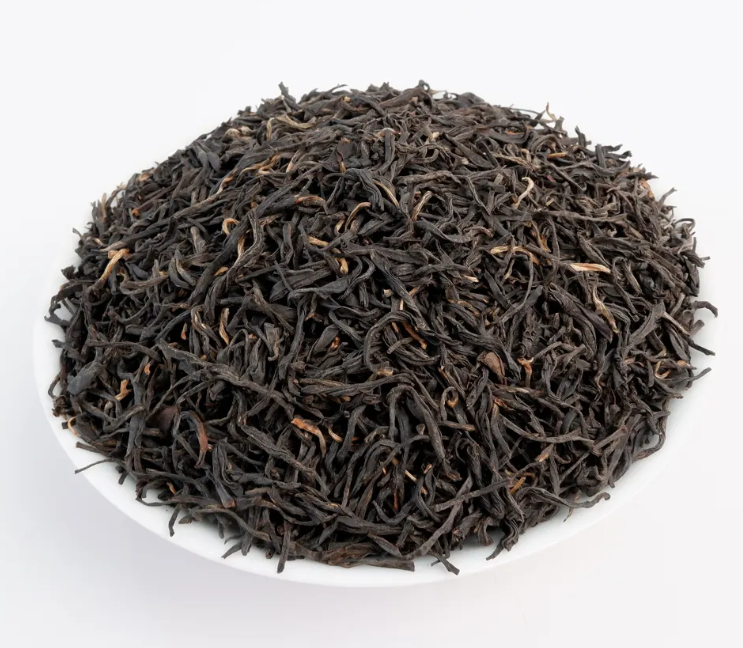
Quality & Sensory Performance: Why Wholesale Loose Leaf Tea Excels
Whole-Leaf Integrity vs. Fannings/Dust: Impact on Flavor, Aroma, and Brewing Chemistry
When whole tea leaves stay intact while brewing, they let water move through them slowly, which helps bring out those complex flavors and aromas over time. Commercial tea bags often contain fannings and dust instead, which have way too much surface area exposed. This causes tannins to rush out quickly, resulting in bitter, flat tasting tea that misses all those wonderful floral, grassy, or sweet notes that make high quality teas so special. Studies indicate that whole leaves actually hold onto around 60% more of those delicate aromatic substances compared to broken pieces. That makes sense when we think about how much better whole leaf teas generally taste, with their layered flavor profiles and balanced mouthfeel.
Polyphenol and EGCG Retention in Loose Leaf vs. Crushed Tea Bags
The compound known as epigallocatechin gallate, or EGCG for short, breaks down faster when tea leaves get crushed during the bag making process and come into contact with air. Research published last year in the Journal of Food Science showed that bagged teas often contain around 40 percent less EGCG compared to their whole leaf counterparts. Whole tea leaves allow for much better control over how they're steeped, usually around 70 to 80 degrees Celsius, which helps maintain those subtle flavors and keeps sensitive compounds intact. Most people don't realize this, but standard tea bags typically require hotter water between 195 and 205 degrees Fahrenheit. At these temperatures, the tea tends to oversteep and oxidize more quickly, which really affects the final taste and quality of what ends up in our cups.
Operational Efficiency: The Practical Advantages of Wholesale Tea Bags
Speed-to-Service in High-Volume Settings (Cafés, Hotels, Offices)
For businesses where fast service means more customers and better bottom lines, tea bags offer something pretty hard to beat when it comes to speed. The pre-measured packs just need hot water and they're good to go, so no one has to fiddle with infusers, strainers, or trying to guess how much loose leaf goes into each cup. Most baristas can get a cup ready in around 30 seconds max. Looking at industry stats from last year shows some interesting results too. Hotels and other busy spots reported cutting their service times down by about 40% once they switched to bulk tea bags. Plus there's less mess afterward which saves staff time cleaning up between orders, something that adds up across shifts.
Standardized Steeping, Reduced Training, and Consistent Customer Experience
Tea bags that come factory sealed give pretty much the same amount of leaves, similar particle sizes, and predictable steeping times, which means each cup ends up tasting about the same in terms of strength, color, and flavor. These bags work best when brewed for around 3 to 5 minutes at temperatures between 195 and 205 degrees Fahrenheit. This takes away all the guesswork that comes with different staff techniques or improperly calibrated equipment. New employees can be up to speed in under ten minutes compared to needing over two hours just to get right with loose leaf measurements, timing, and filtering processes. For businesses running multiple locations, this kind of consistency matters a lot. A recent survey from the Beverage Industry in 2024 found that nearly four out of five customers consider reliable flavor their number one reason for sticking with a particular brand.
Sustainability & Safety: Packaging, Waste, and Microplastic Risks in Commercial Tea Sourcing
Life-Cycle Comparison: Compostable Tea Bags vs. Bulk Loose Leaf Packaging
Buying wholesale loose leaf tea cuts down on all that packaging waste since it usually comes in big batches packed in metal tins or glass jars that can be recycled. Just think about this: one 100 gram tin gives around 200 cups of tea, while those same 100 individual tea bags come wrapped in paper, boxed up, and many have those tricky plastic linings that just won't break down. Some companies try using these compostable PLA bags as an alternative to regular plastic, but honestly they only work properly at special composting plants where temperatures stay above 60 degrees Celsius something most city compost systems just cant manage. That's why loose leaf remains the better choice for anyone serious about reducing waste and keeping packaging out of landfills for good.
Packaging Waste Comparison
| Format | Material per 100g | Recyclable | Industrial Compostable |
|---|---|---|---|
| Loose Leaf (bulk) | 15g metal/glass | Yes | N/A |
| PLA Tea Bags | 28g film + wrappers | Limited | Only under 60°C |
| PET Tea Bags | 35g plastic | No | No |
Microplastic Leaching Evidence: Nylon, PET, and PLA Tea Bags at Brew Temperatures
When we brew at regular temperatures around 95 degrees Celsius, those common nylon and PET tea bags actually shed roughly 11.6 billion tiny plastic bits each one according to research published in Food Chemistry. Even supposedly better options made from PLA material still let some plastics slip into our drinks, though not as much. Washing them beforehand doesn't really help much either. All these microscopic particles stay in the tea we drink and eventually make their way into our stomachs, which leaves scientists scratching their heads about what might happen over time. For anyone concerned about this issue, going old school with loose leaves works wonders. Just put them in a stainless steel, ceramic, or silicone strainer instead of those plastic bags and suddenly there's zero risk of ingesting plastic fragments.
Cost Efficiency & Business Model Fit: Aligning Wholesale Tea Format with Your Operations
When deciding between buying wholesale loose leaf tea versus tea bags, business owners need to think about what works best for their day-to-day operations and budget constraints. Let's break it down into a few main points. Looking at initial expenses first, loose leaf generally comes out cheaper by around 15 to 20 percent per cup compared to fancy tea bags. This is mostly because there's less packaging involved and fewer processing steps required. But small spaces might run into problems storing all that loose stuff properly. Then there's the labor factor worth considering. Tea bags make things go much quicker in busy places like cafes or office break rooms since they cut out the need for measuring, filtering, and cleaning up after brewing. Some upscale tea shops actually prefer loose leaf though, as customers seem willing to pay extra for that premium experience. Waste management is another important aspect too. Tea bags give pretty exact portions and hardly any leftovers, which is great for minimizing waste. Loose leaf can be trickier if not stored correctly, as it tends to oxidize, absorb moisture, and lose freshness over time. Most businesses that serve similar drinks repeatedly throughout the day will probably find tea bags easier to handle. On the flip side, companies focused on artisanal quality, custom blends, or wanting more control over pricing usually stick with loose leaf despite needing more hands-on attention during preparation.
Table of Contents
- Quality & Sensory Performance: Why Wholesale Loose Leaf Tea Excels
- Operational Efficiency: The Practical Advantages of Wholesale Tea Bags
- Sustainability & Safety: Packaging, Waste, and Microplastic Risks in Commercial Tea Sourcing
- Cost Efficiency & Business Model Fit: Aligning Wholesale Tea Format with Your Operations