
 Black Tea
 EN
EN
Building Long-Term Wholesale Tea Partnerships Beyond Transactional Sourcing
From Spot Procurement to Embedded Collaboration: Why Shared Goals Drive Stability
Going past simple one-time deals means tea growers need to find common ground with their wholesale partners first. Sustainability goals or quality standards work well here. Some studies indicate these kinds of working relationships lead to about 23 percent more contracts getting renewed compared to just doing business as usual. When companies start thinking together rather than just trading goods, procurement becomes something deeper than just buying stuff. Both sides put skin in the game when it comes to keeping the supply chain strong. Take climate change adaptations for instance. Tea farms working hand in hand with buyers can protect crops from bad weather while still making sure stores get their stock regularly. During those crazy shipping problems we saw recently, companies that had these tight partnerships kept fulfilling orders at around 98%. That kind of teamwork really does create a safety net when things go sideways. And let's not forget quality issues either. The latest numbers from agribusiness partnerships show shared responsibility cuts down on disagreements over product quality by roughly 40%.
Joint Forecasting, Inventory Co-Management, and Aligned KPIs in Wholesale Tea
Operational integration through these three pillars eliminates costly redundancies in wholesale tea supply chains:
- Demand synchronization via shared forecasting platforms reduces overstock situations by 31% while preventing stockouts
- Co-managed inventory models—where producers hold buffer stock for key wholesale partners—cut lead times by 18 days on average
- Unified performance metrics tracking freshness preservation, ethical sourcing compliance, and waste reduction
This tripartite approach aligns incentives across the value chain. A 2022 study revealed partnerships using integrated KPIs achieved 15% higher profit margins than those relying on disjointed measurement systems. Crucially, data transparency enables continuous improvement: jointly analyzing shipment temperature logs or moisture readings prevents quality degradation before rejection incidents occur.
Co-Branding and Customization for Competitive Differentiation in Wholesale Tea
White-Label Flexibility with Brand Integrity Safeguards
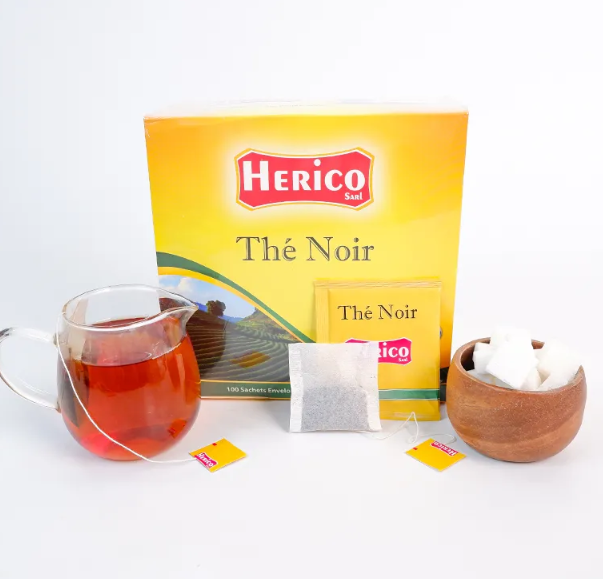
Tea wholesale relationships work best when customers get creative with packaging options and private label branding to stand out in crowded markets. Top suppliers provide all sorts of white label possibilities these days, everything from custom blends mixed just right for specific tastes to special packaging styles such as handcrafted metal tins or eco friendly pouches that really match what the business stands for. The personalization goes way past just looks too. A lot of good suppliers will actually sit down with buyers to develop new recipes together, helping them craft unique tea flavors that no one else has on shelves. Serious partners also have strict quality checks in place and can show where their ingredients come from, including proper organic certification papers and proof that workers were treated fairly according to fair trade standards. When companies stick to the same great taste and maintain high ethical standards batch after batch, it makes all the difference turning ordinary teas into something special that carries the brand name proudly without worrying about damaging reputation later on.
Pricing Advantages and Margin Optimization in Direct Wholesale Tea Collaborations
FOB-Direct Contracts and Their Impact on Wholesaler Profitability (12–18% Uplift)
With FOB-Direct contracts (also known as Free On Board), tea wholesalers can buy straight from growers instead of going through those middlemen who usually tack on around 8 to 12 percent extra charges. When they take ownership of the goods right when they leave the factory, companies get much better control over how things are shipped. Freight bills drop somewhere between 4 and 6 percent because shippers can plan smarter routes and consolidate shipments for bigger discounts. Industry reports from last year showed these combined savings actually boost profits by roughly 12 to 18 percent across the beverage industry. Beyond the money stuff, this approach makes the whole supply chain clearer picture for everyone involved. Wholesalers can work out better deals based on how much they buy at once, dodge those sneaky port fees nobody expects, and keep their stock levels tight without overbuying. The real kicker is how these savings build up with each new order, letting businesses grow their margins steadily while still delivering top quality products to customers.
Scaling Collaboration: Phased Frameworks for Sustainable Wholesale Tea Growth
Pilot – Volume Guarantee – Co-Investment: A Proven Progression Model
A good way to build trust between tea partners is through a step-by-step process starting with small pilot runs, then moving to volume commitments, and finally shared investments. This staged approach helps reduce risk at the beginning for everyone involved. When companies start with limited test batches, they can check things like product quality, shipping logistics, and whether customers actually want what's being offered without putting too much money on the line upfront. As relationships grow stronger, suppliers get more stable production schedules while buyers often see better prices - around 10 to 15 percent savings in many cases. At the highest level, partners might jointly fund specialized equipment such as machines that infuse flavors or create eco-friendly packaging options. These shared investments split costs but also boost product quality and green credentials. What makes this work so well is how it gradually creates deeper connections between businesses. Instead of one-time deals, we end up with partnerships that can expand together and weather competition better than isolated operations ever could, especially important in today's competitive premium tea market where customer loyalty matters a lot.
Table of Contents
- Building Long-Term Wholesale Tea Partnerships Beyond Transactional Sourcing
- Co-Branding and Customization for Competitive Differentiation in Wholesale Tea
- Pricing Advantages and Margin Optimization in Direct Wholesale Tea Collaborations
- Scaling Collaboration: Phased Frameworks for Sustainable Wholesale Tea Growth