
 Black Tea
 EN
EN
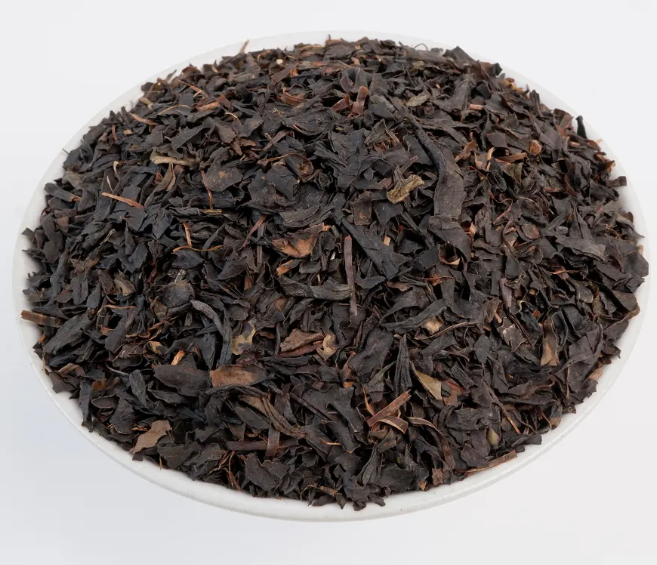
Leaf Integrity & Processing: Why Wholesale Buyers Prioritize Whole Leaf Over Fannings
Grading Systems Explained: Orthodox, CTC, and Specialty Standards in Wholesale Tea Sourcing
When it comes down to it, tea grading tells us everything about how intact those precious leaves remain, which matters a lot to anyone buying bulk quantities. The Orthodox approach keeps most of those big leaves intact during processing thanks to careful rolling techniques. This creates those rich, multi-layered flavors that high-end restaurants and specialty shops really love. On the flip side, CTC processing basically smashes the leaves into tiny pieces using machines. Sure, this makes extraction faster and gets more out of each batch, but what we lose is that wonderful aroma and the feel of the tea in our mouths. Grades like SFTGFOP1 aren't just fancy labels someone made up for marketing purposes. These ratings actually come from real assessments looking at things like color, size ratios between tips and regular leaves, and how well the tea brews. Organizations like BSI and ISO 3103 back these standards up too. Most wholesale folks stick with Orthodox methods and certified specialty grades since they can fetch anywhere from 30 to 50 percent more when resold according to Tea Trade Journal numbers from last year. Plus, these grades meet what hotels and small boutiques want nowadays – something they can trace back and that feels handcrafted rather than mass produced.
| Processing Method | Leaf Integrity | Target Market | Price Premium |
|---|---|---|---|
| Orthodox | Whole/Intact | Specialty Retail, Hospitality | 30–50% higher |
| CTC | Broken/Fragmented | Mass Market, Convenience | Base pricing |
| Specialty Grades | Intact Tips + Buds | Luxury Boutiques | 70%+ higher |
The Quality Trade-Off: How Broken Leaves Accelerate Oxidation and Reduce Shelf Stability for Bulk Orders
When tea gets broken down into fannings and dust, it creates way more surface area relative to volume, which means those precious volatile oils and polyphenols come into contact with oxygen much faster. A study published in Food Chemistry last year backs this up, showing oxidation speeds can jump as much as 40%. This basically eats away at EGCG and other antioxidants pretty quickly, making the aroma less vibrant and giving the tea a harsher mouthfeel. Bulk shipments over 50kg face real problems from this instability. Different parts of the same pallet oxidize at different rates, leading to all sorts of issues down the line including inconsistent flavors, stuff going stale before its time, and lots of rejected product when it reaches customers. That's why vacuum sealed whole leaf packaging makes such a difference. By keeping oxygen out, these packages stretch shelf life anywhere from 18 to 24 months. For large scale food service operations where customers expect the same great taste every single time, consistent sensory experience is absolutely critical to maintaining brand loyalty.
Brew Performance & Sensory Consistency: Critical Factors for Commercial Brewing and Brand Experience
Infusion Science: How Loose Leaf’s Expansion Delivers Superior Aroma, Strength Control, and Reproducibility
When whole leaves steep, they gradually unfurl and spread out, creating natural water channels that affect how flavors come out over time. This expansion lets baristas and kitchen staff really fine tune their brews for just the right strength, aroma punch, and balanced tannins something restaurant operations need when they're making hundreds of cups every day. Tea bags are different story entirely. They trap the leaves inside, causing them to bunch up or form channels where water flows unevenly. Loose leaf on the other hand lets everything hydrate properly while those valuable oils and compounds spread through the water naturally. Research shows that small changes in tannin levels can actually change how good people think a drink tastes by around 23%. With loose leaf, there's much less variation from batch to batch because the leaves behave predictably. That's why so many coffee shops and restaurants rely on it for maintaining consistent quality across all their products.
Batch-to-Batch Uniformity: Why Tea Bags Introduce Extraction Variability That Undermines Wholesale Brand Standards
Tea bags, particularly ones filled with fannings, bring along two big problems at once: too much surface area and poor water flow through them. When there's so much surface exposed, the bitter catechins get released too fast and out of control. And when water can't flow properly, we end up with some parts over extracted while others stay underdeveloped. What happens? Inconsistent batches across different weeks. One shipment might give us dark, strong liquor, while another comes out weak and watery even though they came from the same supplier. CTC processed teas face this issue worst because their broken pieces just don't hold together well enough during brewing. A big distributor in North America actually saw complaints jump by 31% after switching clients from loose tea to bagged versions. Customers were upset about how unpredictable the taste became, which hurt the brand reputation and made customer service teams work overtime handling returns and questions.
Freshness, Nutrition, and Shelf Life: Protecting ROI Across the Wholesale Supply Chain
Oxidative Stability Comparison: EGCG Retention in Vacuum-Sealed Loose Leaf vs. Permeable Tea Bag Packaging
Keeping EGCG intact matters for both nutrition and business bottom lines. When these compounds break down, it means flavors fade faster, products don't last as long on shelves, and profit margins shrink. A study published in the Tea Science Journal back in 2023 found that vacuum sealed whole leaf packaging keeps around 92% of EGCG intact even after 18 months sitting on store racks. Regular tea bags made from bleached paper, nylon, or those heat sealed filters just can't stop air from getting in. This constant exposure to oxygen speeds up chemical reactions that destroy about 30 to 40% of antioxidants in just half a year. The effects hit businesses hard too. Weaker health benefits mean companies can't charge premium prices anymore. Shorter shelf lives lead to more waste and extra work rotating inventory through warehouses. And when the taste changes over time, it breaks quality agreements with customers. A major distributor saw their expired stock drop by nearly a quarter once they switched entirely to vacuum sealed loose leaf products. This shows clearly why maintaining stable oxidation levels remains so important for protecting profits across different shipping conditions.
Sustainability Compliance & Packaging Liability: What Wholesalers Must Consider for ESG-Aligned Procurement
Microplastic Risk Assessment: Silk, PLA, and Paper Options in Tea Bag Production for Responsible Wholesale Sourcing
What kind of packaging materials we choose matters more than ever these days, both legally and for how customers see our brands. Those fancy silk tea bags that companies sell as luxury items actually release around 11.6 billion microplastic particles just from one cup. And don't get me started on plant based PLA bags either they break down when hot water hits them, spitting out nanoplastics that look exactly like regular plastic stuff. Even plain old unbleached paper bags aren't perfect solutions. Sure they decompose better but they let too much oxygen through which shortens product shelf life significantly. The EU made it illegal to put microplastics in products back in 2023, and now the UK has slapped their Plastic Packaging Tax on top of everything else. So compliance isn't something businesses can ignore anymore. Wholesalers need to ask their suppliers for actual test results showing how much microplastic leaks out. They should check if certifications like TUV OK Compost Industrial are legitimate. And yes, doing complete audits covering everything from where raw materials come from all the way to whether something will really compost at the end makes sense too. Taking these steps ahead of time stops problems in the supply chain, keeps those expensive fines away, and protects company reputation especially when dealing with buyers who care deeply about environmental social governance factors.
Table of Contents
- Leaf Integrity & Processing: Why Wholesale Buyers Prioritize Whole Leaf Over Fannings
- Brew Performance & Sensory Consistency: Critical Factors for Commercial Brewing and Brand Experience
- Freshness, Nutrition, and Shelf Life: Protecting ROI Across the Wholesale Supply Chain
- Sustainability Compliance & Packaging Liability: What Wholesalers Must Consider for ESG-Aligned Procurement