
 Black Tea
 EN
EN
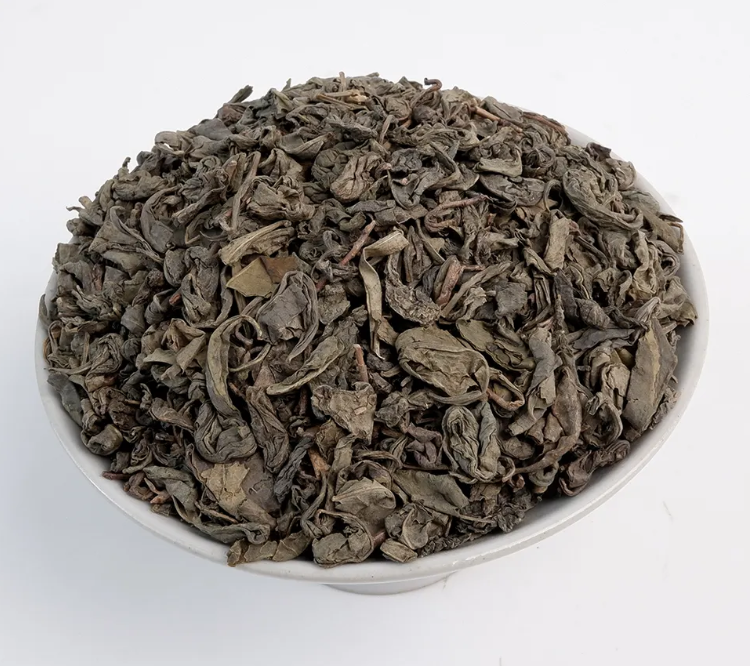
Tea Leaf Maturity and Cultivar: Foundations of Chemical Composition
The 'Two Leaves and a Bud' Standard: Balancing Yield, Polyphenol Content, and Processing Consistency
Harvest timing directly shapes tea leaf chemistry and manufacturing outcomes. The “two leaves and a bud” standard—referring to the apical shoot and its two youngest leaves—optimizes three critical factors:
- Polyphenol concentration: Younger leaves contain 18–23% higher catechins than mature leaves
- Processing resilience: Uniform maturity enables consistent withering and oxidation response
- Yield management: Selective harvesting maintains plant vigor while capturing peak biochemical potential
Deviations disrupt this equilibrium: premature buds lack developed flavor precursors, while older leaves accumulate fibrous cellulose that impedes enzymatic reactions during processing.
Cultivar-Specific Traits: How Assamica, Sinensis, and Purple Tea Varieties Dictate Polyphenol Profile and Processing Response
Genetic differences between tea cultivars create distinct processing behaviors:
| Cultivar | Key Polyphenol Traits | Processing Adaptation |
|---|---|---|
| Assamica | High theaflavin potential | Withstands vigorous rolling for black tea oxidation |
| Sinensis | Elevated amino acids (theanine) | Gentle handling for green tea freshness preservation |
| Purple Tea | Anthocyanin-dominated profile | Limited oxidation to retain color and antioxidant properties |
Camellia sinensis var. assamica contains 40% more polyphenol oxidase than sinensis varieties, enabling robust black tea fermentation. Conversely, purple tea’s heat-sensitive anthocyanins require precise temperature control during drying to prevent pigment degradation. These inherent biochemical constraints dictate cultivar-specific manufacturing protocols.
Moisture Content: The Critical Gatekeeper for Safety, Stability, and Enzyme Activity
Optimal Range (3–7%): Effects on Microbial Inhibition, Oxidation Kinetics, and Volatile Retention in Tea Leaf
Keeping tea leaves at around 3 to 7 percent moisture strikes a balance across several important processing factors. For starters, this moisture level stops most microbes from growing because it brings down the water activity to under 0.6, which is basically the cutoff point for bacteria and mold to take hold. The second thing about moisture control relates to how oxidation happens during processing. When there's less than 3% moisture, the enzymes responsible for developing flavor just don't work properly. But when we go over 7%, something different happens—non-enzymatic chemical reactions kick in and start breaking down the tea's character. What about those nice aromas? Well, proper moisture helps preserve volatile compounds such as linalool and geraniol. If the leaves get too wet, these compounds break down through hydrolysis. Too dry and they simply evaporate away during the drying process. According to what many tea processors have found in practice, leaves kept in this sweet spot tend to keep 15 to 30% more of their flavor compounds after processing than those outside this range. And let's not forget about fixation either. Moisture above 7% leads to clumpy leaves that don't heat evenly, and this inconsistency shows up clearly in the final product quality.
Cell Wall Integrity and Controlled Disruption: Enabling Targeted Enzymatic Reactions
Mechanical Methods Compared: Rolling, Shaking, and Crushing Impact on Polyphenol Oxidase Release and Tea Leaf Surface Area
When we break down those tough cell walls in tea leaves, it actually sets off enzymes that help create oxidation. Rolling the leaves does this gently, which opens up the cells just enough to let out something called PPO (that's short for polyphenol oxidase). This works really well for making oolong tea because it allows partial oxidation without completely destroying the leaf structure, giving us those complex flavors people love. On the flip side, when we crush the leaves instead, sure we get maximum surface area, but there's a real risk of letting all those enzymes run wild, which can ruin delicate greens pretty quickly. Shaking seems to hit the sweet spot somewhere in between. Studies show shaking gives about 40 to 60 percent better enzyme access than rolling alone, yet causes around 30 percent less damage than crushing methods do. For black tea producers especially, this controlled approach helps develop those valuable theaflavins that give black tea its distinctive character. Ultimately, what technique works best comes down to what kind of tea we want to make in the end.
- Rolling: Best for layered oxidation (e.g., oolong)
- Crushing: Reserved for robust, full-oxidation teas
- Shaking: Preferred for balanced PPO release in black tea
The Precision Paradox: Why Excessive Cell Damage Lowers Theaflavin Yield Despite Higher Initial Enzyme Access
Complete cell disruption does boost enzyme availability right away, but strangely enough, this actually cuts down on theaflavin formation—the stuff that gives black tea its bright, crisp character. Studies show when cells are damaged over 75%, those enzymes called PPOs go wild reacting with catechols so fast they eat up all the raw materials before theaflavins can even form properly. At the same time, important helpers like peroxidase just drift off into the mix, messing up the whole chain reaction process. The end result? Tea makers see around 22% fewer theaflavins in fully disrupted leaves compared to ones where only about half the cells get broken open. When we control how much cell wall gets destroyed, we create better conditions for these chemical reactions to happen in order. First comes the oxidation of catechols into quinones, then later comes the actual theaflavin building phase which needs just the right balance of acidity and heat. So tea producers who carefully manage their cell disruption rates find they get higher quality brews—not because they push everything as hard as possible, but by knowing when to hold back.
Oxidation Dynamics: How Tea Leaf Biochemistry Drives Category Differentiation and Quality Metrics
The oxidation process is what turns fresh tea leaves into different market products. Enzymes, mainly polyphenol oxidase, work on catechins to create theaflavins and thearubigins these are the compounds responsible for black tea's characteristic color and sharp taste. How much oxidation happens determines which type of tea we get. Green tea stops the process pretty early, around 0 to 10% conversion, keeping those green tones and grassy flavors intact. Oolong sits somewhere in the middle with about 10 to 70% oxidation, giving it those complex floral characteristics many tea lovers appreciate. Black tea needs almost full oxidation, typically 80 to 100%, to develop that rich malty flavor profile. The environment matters a lot too. When temperatures go above 25 degrees Celsius plus or minus 2, things start going wrong fast. This leads to unwanted chemical reactions that can cut down on good theaflavins by anywhere from 15% to 30%. Getting just the right amount of oxygen contact during processing makes all the difference in creating those distinctive quality traits that define each tea category.
- Color development: Theaflavin ratios dictate golden brightness versus reddish depth
- Aroma synthesis: Lipid oxidation generates over 600 volatile compounds, including linalool (floral) and geraniol (fruity)
- Mouthfeel: Controlled tannin polymerization balances astringency and smoothness
Mastering this biochemical cascade allows producers to target specific sensory profiles and quality grades, turning raw leaf chemistry into market differentiation.
Table of Contents
- Tea Leaf Maturity and Cultivar: Foundations of Chemical Composition
- Moisture Content: The Critical Gatekeeper for Safety, Stability, and Enzyme Activity
- Cell Wall Integrity and Controlled Disruption: Enabling Targeted Enzymatic Reactions
- Oxidation Dynamics: How Tea Leaf Biochemistry Drives Category Differentiation and Quality Metrics