
 Black Tea
 EN
EN
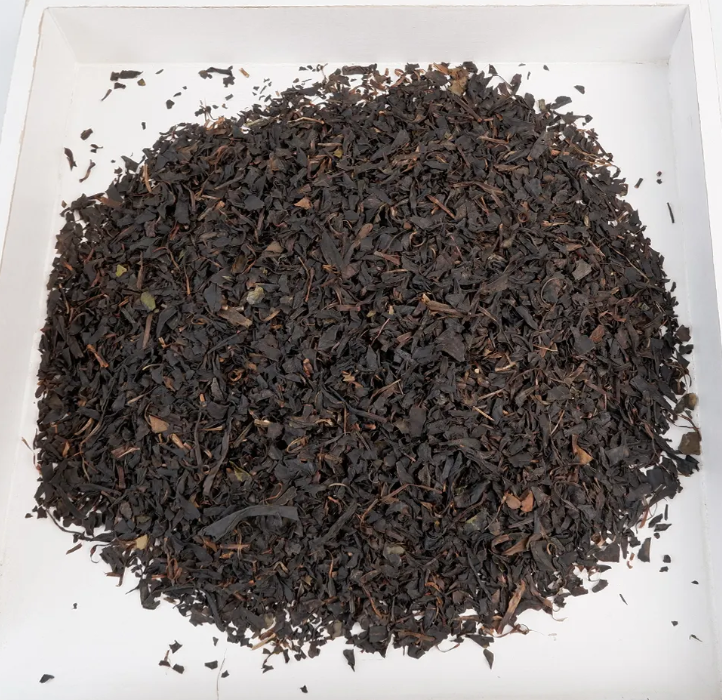
Core Commercial Black Tea Blends Dominating Retail and Foodservice
English Breakfast & Irish Breakfast: Consistency, strength, and global shelf appeal
These breakfast teas have strong malty flavors and a nice kick to them, plus they stay pretty much the same from one batch to another something that matters a lot when serving thousands of cups every day in restaurants and cafes. The caffeine content is pretty good too around 40 to 70 milligrams per cup which explains why so many hotels in Europe and North America rely on them for their morning service needs. Most studies show that about eight out of ten major hotel brands use these types of teas regularly. When it comes to making sure the brew tastes right no matter what kind of machine or kettle someone uses, these blends work well because they're consistently strong throughout. And since over ninety percent of the leaves get oxidized during processing, the tea stays vibrant even when stored in clear containers this makes all the difference on store shelves where appearance really counts in today's crowded marketplace.
Earl Grey innovations: Functional bergamot variants and botanical black tea hybrids
Today's versions of Earl Grey are getting a twist with cold pressed bergamot oil mixed in alongside things like ashwagandha and lemon balm because people want teas that actually help with stress these days. The market has seen something interesting happening too. When Darjeeling black tea gets blended with flowers such as lavender or rose petals, it makes up around thirty percent of all premium sachet sales according to those latest Beverage Marketing Corp reports for 2024. What's cool is how these new takes still keep that distinctive citrus scent we love about traditional Earl Grey but also let manufacturers put those appealing "functional wellness" labels right on the box without breaking any regulations.
Chai and masala blends: Balancing authenticity, scalability, and RTD formulation needs
Making authentic chai at scale is tough because spices fluctuate in price so much and grinding them consistently just isn't easy. That's why most big producers have switched to using encapsulated spice oils these days along with keeping a standard mix of cinnamon to cardamom around three parts to one. This helps maintain the same great taste even when they're making thousands of units at once. The attention to detail really matters for ready-to-drink chai products. Without proper formulation, these drinks wouldn't last on shelves for months without going bad or needing extra additives. And there's good reason to care about this since the market for RTD chai in restaurants and cafes is growing fast right now. According to Mintel's latest report from 2024, sales are climbing by about 14 percent each year across foodservice channels.
Origin-Driven Black Tea Varieties Elevating Blend Complexity and Premium Positioning
Assam CTC: The backbone of milk-based beverages and high-volume commercial black tea
The Assam CTC variety of black tea, known as Crush Tear Curl, has that rich, malty flavor people love in their milky drinks and commercial operations. These teas grow on those lush flatlands where the soil is really good for cultivation. What makes them stand out is how they hold their deep color and powerful taste even when mixed with lots of milk, which helps keep production costs down for businesses. The way these leaves release flavor so quickly works great for tea bags and fast service outlets. We're talking about something like 60% of all breakfast tea blends around the world actually contain Assam CTC somewhere in there. Different parts of Assam produce slightly different qualities of the leaf, giving tea mixers plenty of options to adjust bitterness levels and overall strength. This flexibility lets manufacturers create stable products that work well for popular milk tea shops and ready-to-drink brands looking for consistency across batches.
Ceylon OP/BOP: Bright, brisk orthodox black teas for premium sachets, iced tea, and specialty blends
The high altitude tea gardens of Ceylon produce those classic black teas processed the traditional way (OP/BOP grades) known for their vibrant color and sharp citrus flavors. These characteristics make them especially good for fancy tea bags and clear brewed iced tea products where customers want to see what they're drinking and catch subtle scent hints. When grown above 4,000 feet elevation, the cooler temperatures naturally slow down how fast the leaves grow. This slower growth concentrates all sorts of natural elements in the plant, resulting in that sharp, lively taste professionals look for when blending different teas together. The best companies in the business take advantage of these unique qualities from specific growing regions to create blends that tell a story about where they come from. Their products feature distinct flavor profiles shaped by local soil and climate conditions, which is exactly what consumers are asking for nowadays across restaurants and grocery stores alike.
Emerging Origins and Sustainable Black Tea Varieties Reshaping Sourcing Strategies
Rwandan, Malawian, and Ugandan orthodox black teas: Traceable, high-elevation alternatives with competitive cup quality
Teas grown in East Africa's high elevation areas like Rwanda, Malawi, and Uganda are changing how companies source their products. The region produces black teas with vibrant colors when brewed, firm tannin structure, and subtle floral notes that rival those from more traditional tea growing areas around the world. What makes these teas stand out is their traceable supply chain system which has become really important as businesses look for ways to be more ethical and sustainable in where they get their ingredients. These orthodox style teas aren't just better tasting than regular bulk teas either. They maintain consistent quality throughout batches making them perfect for premium tea bags and special blend creations. We're seeing an industry wide trend towards farming methods that regenerate soil health while keeping track of every step from farm to shelf. This gives tea buyers something valuable: flavorful options that work well at scale but still tick all the boxes for environmental responsibility requirements without compromising on taste or quantity needs.