
 Black Tea
 EN
EN
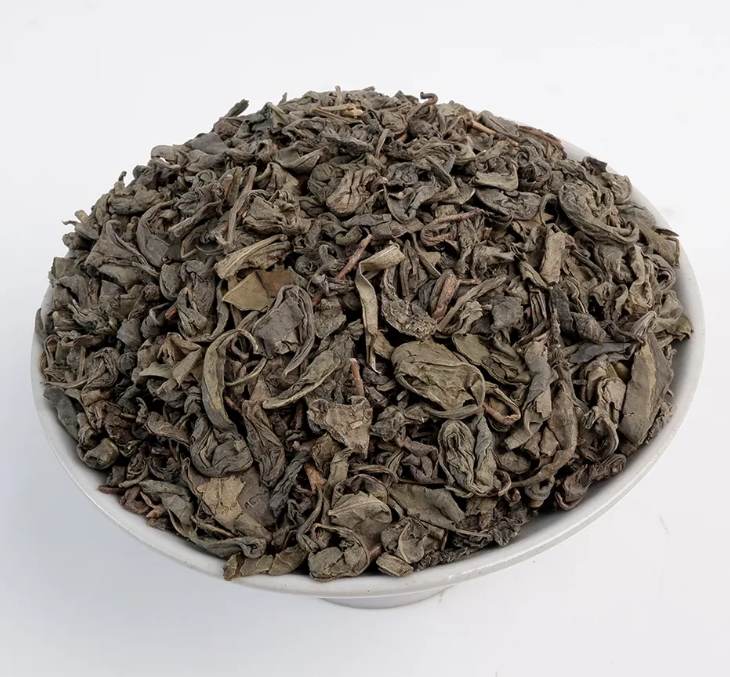
Standard Shelf Life of Wholesale White Tea Leaves
Typical shelf life under optimal wholesale storage conditions
When stored properly in wholesale settings, white tea generally stays at its best quality for around 18 to 24 months before starting to decline. The main factors for keeping it fresh are keeping temperatures under 25 degrees Celsius (about 77 Fahrenheit), maintaining humidity levels below 60 percent relative humidity, and storing it completely out of light. For maximum protection against spoilage, many tea companies use airtight containers like those filled with nitrogen gas or lined with foil inside metal tins. These help stop the tea from oxidizing and picking up unwanted smells from surrounding items. White tea isn't processed much compared to other varieties, which helps retain those delicate compounds called polyphenols. However, because it has such low moisture content (typically 5% or less), it's actually quite sensitive to improper storage conditions. According to industry research, following all these guidelines keeps most high quality batches fresh until about 24 months, although most people notice the flavor starts getting weaker after just 18 months or so. That's why good wholesale operations always rotate their stock regularly, making sure retailers get tea that still has all its characteristic flavors intact when it reaches consumers.
How moisture, air, light, heat, and odor degrade white tea leaves
Five environmental factors accelerate degradation in white tea leaves through distinct chemical pathways:
| Degradation Factor | Primary Impact | Resulting Quality Loss |
|---|---|---|
| Moisture (>60% RH) | Hydrolyzes catechins | Musty flavors, mold risk |
| Air Exposure | Oxidizes polyphenols | Stale aroma, browned leaves |
| Light | Breaks down chlorophyll | Faded color, metallic taste |
| Heat (>30°C/86°F) | Denatures proteins | Flat flavor, reduced sweetness |
| Odor Contamination | Absorbs volatile compounds | Skewed floral/vegetal notes |
When moisture gets involved, it starts breaking down the powerful antioxidant EGCG through a process called hydrolysis, which basically turns those beneficial compounds into something much less helpful for our health. Just being exposed to oxygen can cut down how long tea stays good on shelves by about 40% after just half a year sitting around. Light exposure causes problems too, as it tends to bleach out those beautiful silver needle leaves while speeding up the loss of important vitamins. Temperature matters a lot as well. For every 10 degree Celsius increase in heat, the rate at which these compounds break down actually doubles. And don't forget about the tea itself. Its naturally porous nature means it picks up smells from whatever is nearby. A box of tea near mint or spices will start tasting different within three days or so. That's why manufacturers use special multi-layer packaging systems. These packages work like multiple shields against all these threats, each layer fighting off a specific problem that could ruin quality over time.
Aging Potential vs. Shelf Life: Why White Tea Leaves Are Unique
Controlled aging: Flavor evolution and increased complexity in premium white tea leaves over 3–5 years
Most teas don't really change much after they're picked, but premium white tea is different. When stored right, these delicate leaves actually transform their flavors over time. After sitting for around three to five years, something interesting happens inside those leaves. The enzymes start working on them slowly, creating richer tastes. Instead of just smelling like flowers at first, they develop hints of honey and apricot as they age. As long as the moisture stays under 6%, which is what keeps mold away according to tea makers, this aging process works wonders. Many small batch producers take advantage of this by sealing fresh spring harvests in vacuum packs so they can mature properly before being sold.
Reconciling 'shelf life' with 'aging potential' for B2B buyers of white tea leaves
For wholesalers, “shelf life” denotes minimum freshness duration (typically 18–24 months), while “aging potential” represents value-added transformation. The distinction matters:
- Commercial-grade leaves prioritize stable flavor within standard shelf life
-
Premium cultivars (e.g., Silver Needle) gain market value through monitored aging
B2B buyers should negotiate contracts specifying whether lots are optimized for immediate consumption or cellar investment—aligning storage protocols accordingly prevents costly misunderstandings about flavor evolution timelines.
Optimal Storage Conditions for Wholesale White Tea Leaves
The critical role of humidity control (<60% RH) in preserving catechin integrity
Keeping relative humidity under 60% is absolutely essential when storing wholesale white tea leaves for long periods. When there's too much moisture present, it starts breaking down those valuable catechins - the antioxidants responsible for both the health benefits and distinctive taste of white tea. Studies show that if moisture content goes above 5%, the quality of the tea can deteriorate three times faster than what happens with properly stored batches. The science behind this? Water actually bonds with the polyphenol compounds in the tea, setting off chemical reactions that destroy these sensitive elements over time. Controlling humidity isn't just about maintaining chemistry though. It also stops mold and bacteria from growing on the leaves, which would otherwise shorten how long the product stays fresh and usable on store shelves.
Why cool, dark, airtight environments prevent oxidation and aroma loss in white tea leaves
Three environmental factors work synergistically to protect white tea leaves:
- Temperature control: Storage at 20°C (68°F) slows oxidation rates by 40% compared to 30°C (86°F) environments
- Light elimination: UV exposure degrades chlorophyll and theanine within 48 hours, causing flavor flattening
- Oxygen barrier: Airtight containers reduce volatile compound evaporation by 90%, preserving nuanced floral notes
The table below quantifies quality loss under improper conditions:
| Storage Factor | Compromised Condition | Quality Impact (12 Months) |
|---|---|---|
| Temperature | >25°C (77°F) | 35% catechin reduction |
| Light Exposure | Direct sunlight | 50% aroma compound loss |
| Oxygen Contact | Non-sealed packaging | 70% faster flavor fading |
Cool, dark, airtight storage extends viable shelf life while allowing controlled aging potential—critical for B2B buyers balancing inventory turnover with product evolution. This trifecta of protection prevents the Maillard reactions and photo-oxidation that turn premium white tea leaves stale.
Best Packaging Solutions for Extending White Tea Leaves Shelf Life
Aluminum-lined kraft bags vs. vacuum-sealed tins: real-world shelf life data for bulk white tea leaves
The right packaging makes all the difference when it comes to keeping bulk white tea leaves fresh. Aluminum lined kraft bags are pretty good at what they do, offering decent moisture protection with less than 5% moisture getting in, plus blocking out about 99% of harmful UV light. These can keep the tea fresh for around 18 to 24 months if stored properly. Vacuum sealed tins take things a step further though. They cut down on oxygen exposure to under half a percent, which means the shelf life stretches out to 3 to 5 years without worrying about flavors mixing together. The catch? Both types need to be kept in dark places where temperatures stay below 25 degrees Celsius (about 77 Fahrenheit) and humidity stays under 60%. This helps protect those valuable catechins in the tea. Wholesale buyers who care more about long term quality than initial costs will find vacuum tins worth the investment, especially for premium aged white teas that command higher prices.