
 Black Tea
 EN
EN
Why Oxidation Is the Primary Threat to Bulk-Stored Tea Leaves
The biochemistry of tea leaf oxidation: How oxygen degrades catechins, thearubigins, and volatile aromatics
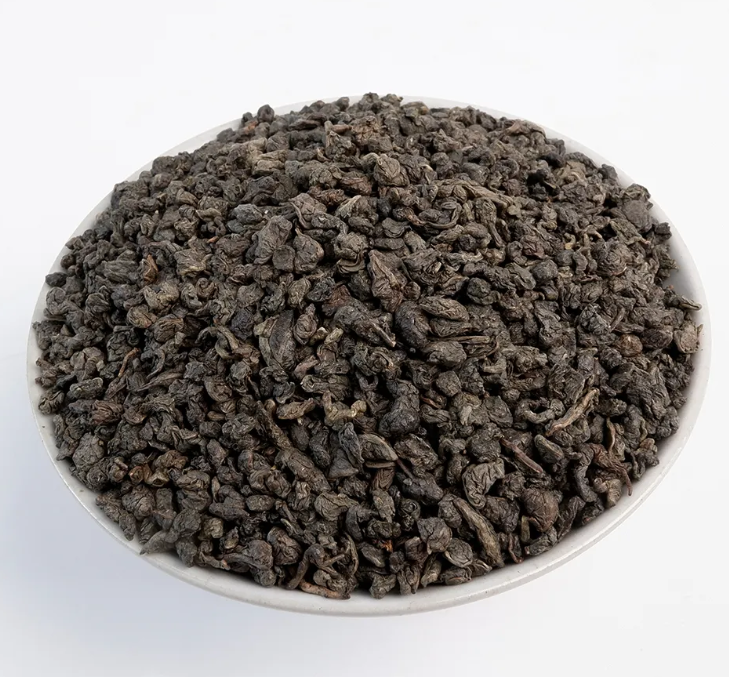
When tea leaves come into contact with oxygen, it starts a fast chemical reaction inside them. An enzyme called polyphenol oxidase changes the catechins these are the antioxidants that give tea its health benefits into other compounds known as theaflavins and thearubigins. This transformation alters both the taste and appearance of the tea while reducing its beneficial properties. The same process breaks down those delicate aromatic substances like linalool and geraniol that make high quality teas so fragrant. Even tiny amounts of oxygen can start Maillard reactions which create those unpleasant stale flavors many describe as paper-like. Green and white teas suffer most from this problem. Studies show that their green color fades by over 40% just a few weeks after packaging if not properly protected from air. This makes the leaves look dull and tastes flat compared to fresh samples. To preserve tea quality, manufacturers need to stop these enzymes from working by controlling oxygen levels carefully throughout storage and transportation.
Quantifying loss: Up to 60% catechin degradation in 30 days under ambient oxygen exposure (Journal of Food Science, 2022)
Research published in the Journal of Food Science back in 2022 found that EGCG levels in tea drop by around 60% after only 30 days sitting at room temperature. The study also looked at how tea tastes change over time. Fresh grassy flavors basically disappeared, down about 72%, while bitter tannins became much more noticeable, increasing roughly 68%. After 45 days, the antioxidant power was barely a third of what it originally had. Things get worse when humidity goes above 60% because moisture brings out those enzymes that cause oxidation. Temperature matters too - every 10 degree Celsius increase makes these chemical reactions happen twice as fast. That explains why properly storing tea is so important for maintaining both flavor and health benefits.
Airtight Storage Solutions for Long-Term Tea Leaf Stability
Vacuum sealing vs. nitrogen flushing vs. oxygen absorbers: Efficacy, scalability, and cost for bulk tea leaf storage
When we remove air from packaging through vacuum sealing, especially when combined with containers that don't let light in or allow gases to pass through easily, products stay fresh for around 18 to 24 months longer. Another approach involves replacing regular air with nitrogen gas, which cuts down on catechin breakdown by almost 92% compared to normal storage conditions. However, this method requires specialized equipment costing anywhere between twenty thousand to fifty thousand dollars upfront. Oxygen absorbers represent a good middle ground for moderate scale operations, typically priced between two cents and five cents each. These small packets work by grabbing onto any remaining oxygen molecules, keeping product quality intact for approximately twelve to eighteen months. For businesses dealing with over five hundred kilograms of material, nitrogen flushing actually becomes the most economical option in the long run at about one dollar twenty per kilogram. Smaller batches below one hundred kg tend to work better with oxygen absorbers though. No matter which technique gets used, all these preservation strategies help avoid losing roughly sixty percent of those valuable catechins that would otherwise disappear during standard storage periods.
Container material science: Permeability ratings and real-world shelf-life data for aluminum, stainless steel, and food-grade PET
Aluminum cans are great at keeping things fresh, with an oxygen transmission rate below 0.001 cc/m²/day that preserves flavors and colors for well over three years. The downside? They don't really seal again after opening. Stainless steel containers offer solid protection too, around 0.005 cc/m²/day OTR, plus those rubber gaskets that hold up in damp environments. But trying to see how much is left inside can be tricky when everything's wrapped in metal. Food grade PET plastic isn't as good at blocking oxygen though, with rates between 0.3 to 0.5 cc/m²/day. To make it work for 18 months, manufacturers need thicker material, about half a millimeter minimum, and often add extra oxygen absorbers. Tests show that even with all this, PET allows about 15% more thearubigin development compared to metal options when humidity hits 60%. Still, triple layer PET bags lined with foil manage to hit roughly 80% of aluminum can quality while costing only 60 cents on the dollar compared to cans. Makes sense why many businesses prefer them for storing large quantities where budget matters most.
Environmental Control Essentials for Bulk Tea Leaf Preservation
Temperature, humidity, light, and odor—how each accelerates oxidation and compromises tea leaf integrity
When temperatures rise, enzymes start working overtime, breaking down those valuable catechins and thearubigins in tea. If humidity gets over 60% relative humidity, things get worse fast as the moisture causes chemical breakdowns and creates conditions where mold can grow. Light exposure is another problem area. Both UV rays and regular visible light (anything over about 500 lux) will break down chlorophyll and destroy delicate volatile compounds. Tea leaves are naturally porous so they soak up surrounding smells easily, which means once contaminated, flavors just aren't the same anymore. These factors don't work alone either. The effects combine in ways that multiply problems. For instance, keeping tea at around 30 degrees Celsius makes oxidation happen three times faster than when stored at cooler 15 degree environments.
The critical inflection point: Why 20°C and 60% RH maximize tea leaf shelf life while minimizing oxidation risk
Studies point to around 20 degrees Celsius with about 60% relative humidity as the sweet spot for keeping bulk tea leaves stable over time. When temperatures drop below 20C, the oxidation process naturally slows down, though going above 60% humidity creates real problems with mold growth. Things get worse when temps rise past 20C too since catechins start breaking down at a rate of roughly 12 to 18% for every 5 degree increase. Maintaining exactly 60% RH seems to strike just the right balance for moisture content in the leaves. It keeps them from drying out completely but stops water absorption from getting out of hand. Tea stored under these conditions typically lasts 3 to 6 months longer than stuff kept in regular storage environments, all while maintaining its flavor profile and those important antioxidants we look for in good quality tea.
Specialized Protocols for Highly Sensitive Tea Leaves
Matcha and Japanese green tea: Why sub-zero freezing + double-layered opaque packaging is non-negotiable for bulk tea leaf freshness
Japanese green teas like matcha require special handling because they contain lots of catechins and amino acids while maintaining their cellular integrity. When stored at sub-zero temperatures around minus 18 degrees Celsius or colder, enzymes stop working completely which means those valuable catechins don't break down and amino acids stay intact too. The best storage method involves double layer packaging where there's a vacuum sealed inner bag combined with an outer shell made from non-transparent material. This setup keeps both light and air away from the tea leaves. Even moderate light exposure beyond what most people would consider bright can start breaking down important compounds like chlorophyll and other volatile substances found in these sensitive leaves. If proper storage isn't maintained, the quality drops off much quicker compared to regular teas, maybe as much as forty percent faster according to some studies. Using dark containers helps prevent unwanted reactions caused by light and also manages changes in moisture levels over time. This approach maintains desirable aromatic compounds like linalool while keeping undesirable elements such as thearubigins at bay for approximately eighteen to twenty four months depending on conditions.