
 Black Tea
 EN
EN
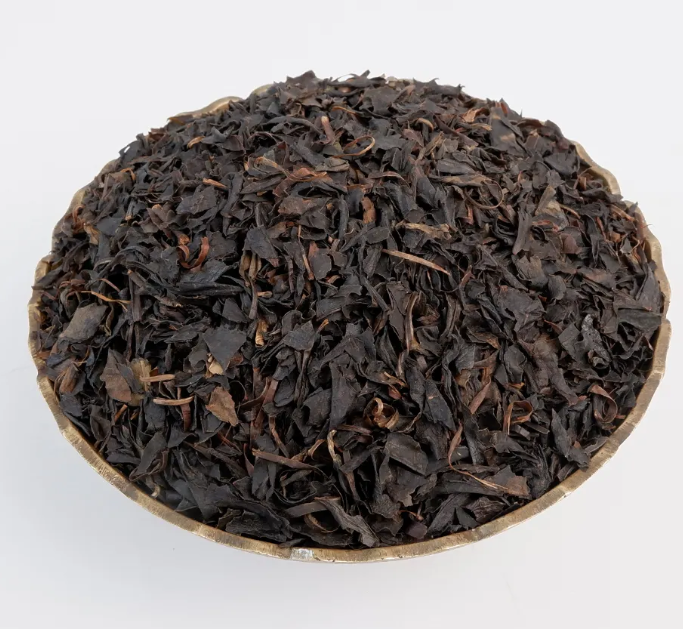
Unmatched Flavor Stability in High-Volume Milk and Iced Tea Applications
How Assam’s bold maltiness and balanced tannins resist dilution in milk-based beverages
The strong malt character and firm tannin structure of Assam tea make it stand out when mixed with dairy products, giving cafe owners and ready-to-drink manufacturers a real edge in their formulations. What happens is that the tea's polyphenols actually cling to milk proteins, so the drink keeps its aroma and texture even when diluted quite a bit. This kind of chemical stability means the taste stays consistent no matter how many cups get made throughout the day. Think about those popular drinks like chai lattes or bubble tea. Lighter teas from places like Darjeeling or Ceylon tend to fade away once they hit the milk, losing all that nice depth and richness we love in a good cup of tea.
Performance advantage over Ceylon and Darjeeling in automated dispensing and RTD formulations
When it comes to commercial operations, Assam stands out because of its consistent particle size and how predictably it infuses flavors. Tests show that when run through automated dispensers, Assam extracts about 12 percent faster than Darjeeling does. What's even better is that Assam keeps its flavor profile intact for roughly three times longer than Ceylon when stored in cold conditions. Another big plus is that Assam naturally resists oxidation, which means fewer unwanted flavors develop during pasteurization processes. This quality lets ready-to-drink products stay fresh on shelves much longer without needing those artificial stabilizer additives that many consumers are trying to avoid these days.
Reliable Scalability and Supply Chain Consistency for B2B Buyers
For bulk tea procurement, supply chain predictability directly impacts production continuity. Assam’s mature, institutionalized ecosystem supports seamless scalability through standardized sourcing, grading, and processing protocols.
Guwahati Auction System: Transparent, traceable, grade-guaranteed bulk sourcing from 1,200+ estates
The Guwahati Tea Auction Centre acts as a central hub where around 1,200 tea estates send their products for evaluation. Trained professionals conduct blind tastings to determine grades like TGFOP and CTC according to set standards such as how intact the leaves are, what color the brewed tea turns, and how strong the scent comes through. With digital tracking systems now in place, every batch can be traced back to exactly which garden it came from and when it was harvested during the season. When buyers place bids at auction, they get tea that has been accurately graded, so there's much less variation in quality between different containers. This consistency makes all the difference for companies producing beverages on a massive scale who need dependable raw materials week after week.
CTC processing standardization ensures uniform strength, color, and infusion speed across batches
The Crush-Tear-Curl (CTC) method brings consistent results across commercial operations because of its carefully adjusted mechanical steps. When rotorvanes break down the leaves under specific pressure settings, they help release those important polyphenols that give the product its strength again and again. Then comes the controlled oxidation phase which really matters for getting that signature malty flavor and deep amber color we all recognize, keeping it within about 2% color difference every time. The final step standardizes granule size between 1.8 to 2.2 millimeters so when water hits these particles during brewing, everything infuses at the same rate consistently. All this attention to detail means machines can brew exactly 20 seconds per cycle without fail, something absolutely essential for making sure each batch of milk tea tastes just like the last one from week to week.
Strategic Commercial Benefits Across Bubble Tea and Premium Milk Tea Segments
Market adoption: 68% of North American specialty tea suppliers now prioritize Assam as their core milk tea base
According to recent market research, around two thirds of specialty tea suppliers in North America have chosen Assam as their go to base for milk teas. Why? Well, there's good reason behind this preference. The unique tannin structure and strong malty character of Assam keeps the flavors intact even after mixing with milk, sugar, and all those popular toppings. This works especially well in drinks with lots of ice too. Plus, the way it extracts color makes sense for clear ready to drink bottles that customers expect these days. Many cafe owners notice something interesting too. They see about a quarter increase in repeat customers when serving Assam based beverages. Most say it comes down to how consistently it performs on automatic brewing machines and handles different levels of sweetness and texture preferences. And let's not forget the natural bite of Assam that actually pairs nicely with things like boba pearls and cheese foam without needing any extra flavor boosters.
Margin-optimized grade strategy: BOP for high-volume formats vs. TGFOP for signature premium offerings
Buyers leverage Assam’s versatile grading spectrum to align quality with commercial objectives:
- Broken Orange Pekoe (BOP) delivers rapid infusion (under 90 seconds), bold color, and strong body—ideal for high-turnover bubble tea service. Its fragmented leaf structure maximizes extraction efficiency, reducing per-cup costs by 18—22% compared to whole-leaf alternatives.
- Tippy Golden Flowery Orange Pekoe (TGFOP) features whole leaves with golden tips, offering nuanced caramel notes and visual distinction for artisanal milk teas. Though priced 30—35% higher, it maintains operational flexibility—requiring only 15—20 seconds longer steep time than BOP.
This strategic grade deployment allows operators to protect margins on volume-driven menu items while achieving gross margins above 40% on signature offerings—without compromising on consistency or sensory appeal.