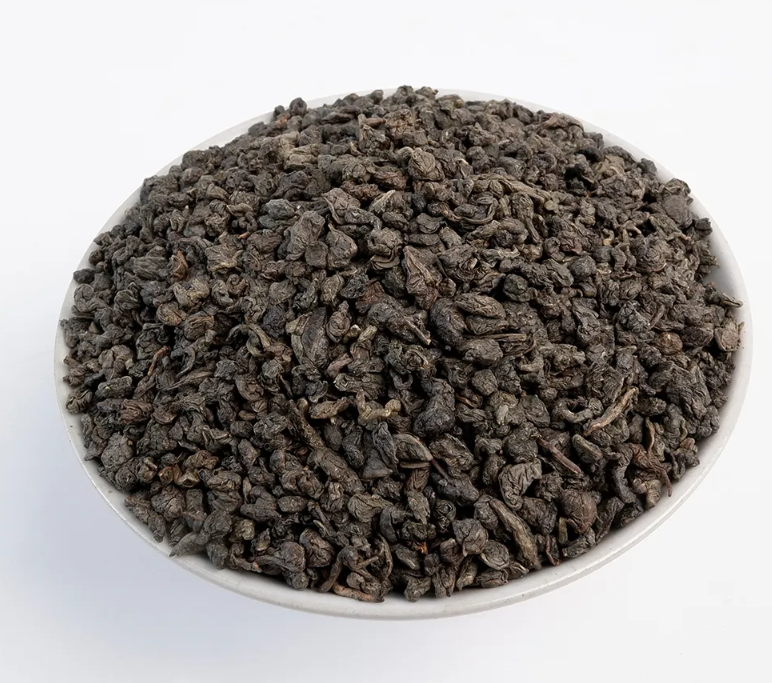
Why Gunpowder Tea's Unique Form Demands Rigorous Industrial Standards
The Tight-Roll Structure: Sensitivity to Mechanical Stress and Oxidation Control
What makes gunpowder tea unique is its distinctive pellet shape created by traditional hand rolling techniques across areas like Zhejiang Province. But this compact form comes with problems. When handled during processing, packing, or shipping, these tightly packed leaves are prone to cracking under even minor vibrations or pressure changes. The result? Broken pellets that lose their quality faster than intact ones. There's another issue too: tiny spaces between the rolled layers let air inside, which starts chemical reactions that gradually strip away the tea's vibrant flavors and rich colors. To combat these issues, manufacturers use special packaging filled with nitrogen gas and conveyor belts designed to absorb shocks throughout handling. These measures help maintain that characteristic smoky sweetness most tea lovers appreciate. Left unprotected however, damage occurs in over 18 percent of cases, with the tea losing around 40 percent of its aromatic qualities within just a few months if stored improperly.
Batch Consistency Challenges in Mass Production of Uniform Pellets
Getting millions of pellets all the same size requires some pretty exact engineering work. When there are fluctuations in rolling pressure around 5% or changes in moisture levels about 2%, this leads to differences in pellet sizes that really affect how they brew. Smaller pellets tend to release too much flavor, making drinks taste bitter, while bigger ones don't give enough flavor at all, resulting in weak tasting beverages. The industry has come up with some smart solutions though. Factories now use these fancy optical sorting machines powered by artificial intelligence to catch any pellets that don't meet standards. They also have those real time humidity detectors built into their drying areas so they can keep an eye on things as pellets move through. Keeping everything consistent matters a lot when shipping products overseas because if pellets expand differently when steeped, customers just send them back. Nobody wants that kind of problem with international orders.
Critical Process Controls for Authentic Gunpowder Tea Manufacturing
Precision Rolling: Balancing Speed, Temperature, and Humidity to Preserve Leaf Integrity
Making those neat little pellets for gunpowder tea requires pretty tight control over the machinery. Most rolling machines need to run between 18 to 22 revolutions per minute so they don't tear up the leaves, all while keeping things around 60 to 65 percent humidity. If temperatures get above 40 degrees Celsius (that's about 104 Fahrenheit), something bad happens to those precious essential oils in the tea leaves, and we all know how important those are for flavor. Get everything just right though, and what comes out are these compact, tough pellets that actually shield the inner parts of the leaves from getting oxidized or damaged later on when they're being handled in storage or shipping. This protection makes a real difference in how long the tea stays good and maintains its taste profile, as plenty of folks in the industry have noticed through their own experience with shelf life testing.
Drying & Storage Protocols That Prevent Mold Growth and Flavor Degradation
Managing moisture after rolling remains very important for product quality. Using a two step drying process brings down water activity levels under 0.6 aw within around four hours, which stops most molds and yeasts from growing. For proper long term storage, products need to be kept in containers that block out oxygen, stored at about 15 degrees Celsius or 59 Fahrenheit, with humidity staying below half of what's normal in most rooms, plus complete protection from ultraviolet light exposure. Manufacturers who stick closely to these guidelines generally see their products retain roughly 98% of their original flavors and aromas even after sitting for a whole year, avoiding those unpleasant musty or flat tastes that come when moisture gets into the mix during storage.
Safety Assurance: Testing and Traceability Across the Gunpowder Tea Supply Chain
Pesticide Residue, Heavy Metal, and Microbial Testing Against EU, FDA, and GB Standards
For Gunpowder tea makers, safety isn't just important—it's everything. They follow strict guidelines that match international standards when it comes to what gets into their product. Pesticide levels must pass muster under the EU's MRL Regulation (EC) No 396/2005, while heavy metals such as lead and cadmium need to meet Chinese regulations GB 2763–2021. And let's not forget about harmful bacteria like Salmonella and E. coli which are checked according to FDA's Food Safety Modernization Act requirements. Every single batch of tea leaves gets tracked through the entire journey from growing fields right down to those big shipping containers ready for export. This tracking system means problems can be spotted fast if something goes wrong with contaminant levels, which are kept really low at just 0.01 parts per million for the most dangerous substances. Independent inspectors come in once a year to double check all these tests throughout the whole production chain, making sure nothing slips through the cracks and maintaining not only safety but also the distinctive taste profile customers expect from quality Gunpowder tea.
Certification Pathways: GMP, ISO 22000, and HACCP for Gunpowder Tea Exporters
For gunpowder tea exporters eyeing European, American, or Asian markets, getting those international certification stamps matters a lot. These certification programs basically confirm that producers are following strict safety rules. They specifically tackle problems that come up with tightly rolled teas. Moisture tends to hang around longer in storage, and pesticides can concentrate in those compact tea balls. That's why most serious exporters focus on certain key certifications when shipping their product overseas.
- GMP (Good Manufacturing Practices): Ensures hygienic processing environments and equipment sanitation to prevent contamination during rolling and drying.
- ISO 22000: Provides a systematic Food Safety Management System (FSMS), integrating hazard analysis for microbial growth and chemical residues.
- HACCP (Hazard Analysis and Critical Control Points): Focuses on critical stages like oxidation control during pellet formation and moisture verification post-drying.
Manufacturers pursuing these certifications undergo audits covering traceability systems, facility hygiene, and staff training. Compliance demonstrates commitment to global standards—including FDA regulations and EU Regulation (EC) No 852/2004—reducing export barriers by 32% for perishable goods. This not only mitigates recall risk but strengthens brand credibility in premium tea markets.