
 블랙 차
블랙 차 EN
EN
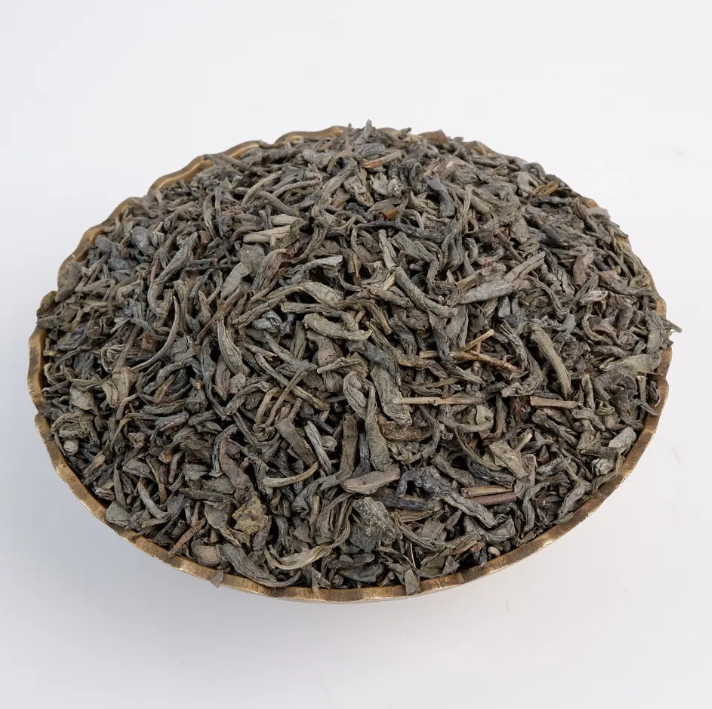
춘미(Chunmee) 녹차 4011: 원산지, 특성 및 생산 일정
춘미(Chunmee) 등급 중 4011이 두각을 나타내는 이유
춘미 녹차 4011은 가공 과정에서 정밀한 기계 롤링을 통해 눈썹처럼 아름답고 단단히 말린 잎 모양으로 특징지어집니다. 우려내면 부드러운 훈연 향과 그 이면에 은은한 자두 향이 어우러진 균형 잡힌 풍미를 선사합니다. 다른 춘미 품종들이 주로 견과류 향을 띠는 것과 달리, 이 품종은 중간 수준의 산화도를 가지므로 쓴맛이나 떫함이 강하지 않고 부드러운 맛을 자랑합니다. 왜 이 차가 이렇게 높은 가격대를 형성할까요? 그 배후에는 엄격한 품질 기준이 있습니다. 잎은 크기가 일정해야 하며, 전체적으로 색상이 고르게 분포되어야 하고, 줄기 함량은 매우 낮아야 합니다. 이러한 요소들로 인해 4011은 고품질 차를 전문 매장에 공급하려는 구매자들에게 특히 매력적인 선택이 됩니다.
봄철 수확부터 최종 건조까지: 4011의 제조 공정 기간
4011은 봄철 수확분만에서 나오며, 보통 4월부터 5월 사이에 차나무가 가장 왕성하게 자라면서 어린 새순과 어린 잎이 풍부해질 때 채취합니다. 이 시기의 새순과 어린 잎은 맛이 특히 탁월합니다. 신선하게 채취한 잎은 비교적 빠르게 가공해야 하는데, 약 8시간 이내에 증기를 이용해 산화를 억제하여 녹색을 그대로 유지합니다. 이 차를 특별하게 만드는 요소는 제조 과정 중 말림 단계에서 잎이 말려 올라가는 방식인데, 이는 정밀하게 조절된 온도와 특정 습도 수준을 유지하면서 이루어집니다. 이러한 세심한 작업을 거친 후, 최종 제품의 품질을 완성하기 위해 총 세 단계의 건조 공정이 진행되며, 각 단계 모두 매우 중요합니다.
- 1차 건조(80°C)로 수분 함량을 약 25%로 감소시킴
- 성형(60°C)으로 잎의 비틀림을 단단히 고정함
- 최종 베이킹(40°C)으로 잔여 수분 함량을 약 3%로 낮춤
이 10–14일간의 제조 공정을 통해 차의 채소류 향기와 균형 잡힌 바디감이 완전히 발현됩니다. 늦은 시기의 수확물은—가끔 사용되기도 하나—잎의 수분 함량이 높아 장기간 건조가 필요하며, 향기의 순도를 저해할 수 있습니다.
대량 주문 4011의 표준 리드 타임 대비 맞춤형 리드 타임
재고 보유 중인 4011 제품 출하: 7–14일 내 처리
Bulk 4011은 당사의 인증 창고에 보관되며, 일반적으로 주문 접수 후 약 7일에서 14일 이내에 출고됩니다. 박스 포장부터 라벨 부착, 육상 운송을 위한 모든 준비 작업까지 전 과정이 보통 이 기간 내에 완료되며, 이미 재고가 확보되어 있어 생산 대기 기간은 전혀 없습니다. 대부분의 경우, 재고가 부족하지 않을 때는 전체 주문의 약 80%가 정확히 10일 이내에 당사 시설에서 출고됩니다. 특히 신속한 납품이 필요한 고객의 경우 익스프레스 배송을 선택할 수 있으나, 솔직히 말해 일반 육상 배송이 여전히 가성비 측면에서 가장 우수합니다. 우수한 공급업체는 예기치 않은 수요 급증이나 악천후 또는 기타 지역적 문제로 인한 운송사의 장애 상황에도 대응할 수 있도록, 여러 위치에 여유 재고를 항상 비축해 두는 것이 관행입니다.
리드타임 연장이 필요한 맞춤 요청: 포장, 혼합, 유기농 4011 인증
기업에서 맞춤형 제품을 원할 경우, 더 긴 대기 시간이 예상되어야 합니다. 브랜드 로고가 인쇄된 포장재나 친환경 포장재를 제작하려면, 디자인 작업, 자재 확보, 실제 생산까지 일반적으로 약 7~14일이 소요됩니다. 또한, 4011에 다양한 허브나 다른 종류의 차를 혼합하려는 경우, 우선 모든 원료를 확보한 후 맛 테스트를 진행하고, 최종적으로 각 배치 간 맛의 일관성을 검사해야 하므로 보통 추가로 2~3주가 더 걸립니다. 가장 큰 어려움은 유기농 인증으로, 일반적으로 약 1개월 반 정도 소요되지만, 동시에 많은 요청이 몰릴 경우 최대 2개월까지 걸리기도 합니다. 이러한 과정들이 모두 순차적으로 진행되므로, 품질을 유지하면서도 납기 일정을 지키기 위해 필요한 맞춤화 사항을 충분히 여유 있게 사전에 알려 주시는 것이 매우 중요합니다.
4011 리드 타임에 영향을 주는 주요 요인 — 농장에서 물류까지
계절별 수확 주기 및 안정적인 4011 공급을 위한 재고 완충
4011 공급망은 수확량과 품질이 정점을 이루는 봄철 수확기(4월–5월)와 본질적으로 연결되어 있습니다. 후기 수확 분(8월–9월)은 가공 기간을 2–3주 연장시키며, 향의 강도 저하 위험을 동반합니다. 연중 내내 공급 안정성을 확보하기 위해 선도적인 공급업체들은 다음 세 가지 검증된 전략을 적용합니다:
- 수확 전 재고 완충 : 품질 검증 완료된 4011 제품을 30–45일분 비축
- 다지역 조달 : 미세기후 및 수확 시기가 보완적인 후난성, 저장성, 안휘성 산지에서 엄선된 로트를 혼합
- 온습도 조절 보관 : 신선도 유지를 위해 온도(15–18°C) 및 습도(45–55% RH)를 유지하여 최대 8개월간 품질을 보존
이러한 조치들을 종합적으로 시행함으로써, 농업 공급망 데이터에 따르면 비수기 리드타임 변동성을 67% 감소시킬 수 있습니다.
품질 관리 점검 및 로트별 실험실 검사 지연
엄격한 생산 후 품질 관리는 리드타임을 7–10일 연장시킵니다. 모든 상업용 로트는 다음 항목에 대해 의무적인 제3자 검사를 받아야 합니다:
- 미생물 안전성(미국 FDA 및 EU 수출 요건 준수)
- 농약 잔류량(186종 화합물에 대한 스크리닝)
- 수분 함량(상온 저장 안정성을 위한 약 6.5% 기준치 대비 검증)
가장 큰 어려움은 보통 수확이 한창인 성수기 때 실험실이 과부하 상태에 빠지거나, 유기농 인증을 받아야 하는 경우처럼 추가적인 검사 라운드가 필요할 때 발생합니다. 또한 수출 서류 관련 문제도 주요 애로사항 중 하나인데, 특히 기업들이 선적 서류 상의 HS 코드를 잘못 기재할 경우 더욱 그렇습니다. 이러한 문제를 사전에 예방하는 것이 매우 중요합니다. 일부 기업은 선적 전 샘플 검사를 실시하고 서류를 조기에 검토함으로써 품질 관리 지연을 약 40% 감소시켰습니다. 이 방식은 세관에서의 고비용 지연을 방지하고, 나중에 제품이 매장에서 철수되어야 하는 상황을 피함으로써 장기적으로 비용 절감 효과를 가져옵니다.
수출 준비 상태: 4011호 선적을 위한 규정 준수, 문서화 및 물류
대량의 춘미 4011 녹차를 국제적으로 수출하려면 규정, 서류, 운송 물류 등 모든 측면을 고려한 세심한 계획이 필요합니다. 주요 서류로는 올바른 HS 코드(녹차의 경우 0902.10)가 기재된 상업 송장, 원산지 증명서, 관련 기관의 식물위생증명서, 그리고 상세한 포장 목록이 있습니다. 이러한 서류들은 제품 생산 단계에서 미리 준비해야 하며, 나중에 준비해서는 안 됩니다. 무역 규정 준수 분석 기관(Trade Compliance Analysts)의 2023년 보고서에 따르면, 서류 오류는 통관 지연의 약 30%를 차지하며, 이로 인해 배송 기간이 일주일 이상 늘어날 수 있습니다. 유기농 제품의 경우, 모든 인증 서류가 필수적입니다. 비유기농 제품의 경우에도 공급업체는 농약 잔류물 검사 결과를 증빙 자료로 제출해야 합니다. 적절한 인코텀즈(Incoterms)를 선택하는 것 또한 매우 중요합니다. 구매자가 운송 비용을 직접 관리하고 싶다면 FOB가 적합하며, CIF는 보험 및 운송 비용을 공급업체가 부담하는 조건입니다. 농산물 수출을 전문으로 하는 운송 회사, 특히 유럽, 북미, 아시아와 같은 지역의 요구 사항에 정통한 회사와 협력하면 변화하는 규정을 준수하는 동시에 국경을 넘는 운송 과정에서 차의 섬세한 특성을 보호할 수 있습니다.
주요 문서 요건
| 문서 유형 | 용도 | 누락 시 영향 |
|---|---|---|
| 상업화폐 | 관세/세금 부과를 위한 가치 확인 | 세관 보류; 벌금 부과 |
| 원산지 인증서 | 관세 분류 적격성 결정 | 무역 협정 혜택 상실 |
| 식물위생증명서 | 식품 안전 준수 여부 확인 | 국경에서의 화물 반입 거부 |
| 화물표 | 소유권 이전 및 운송업체 계약 | 화물 인도 지연 |