
 Black Tea
 EN
EN
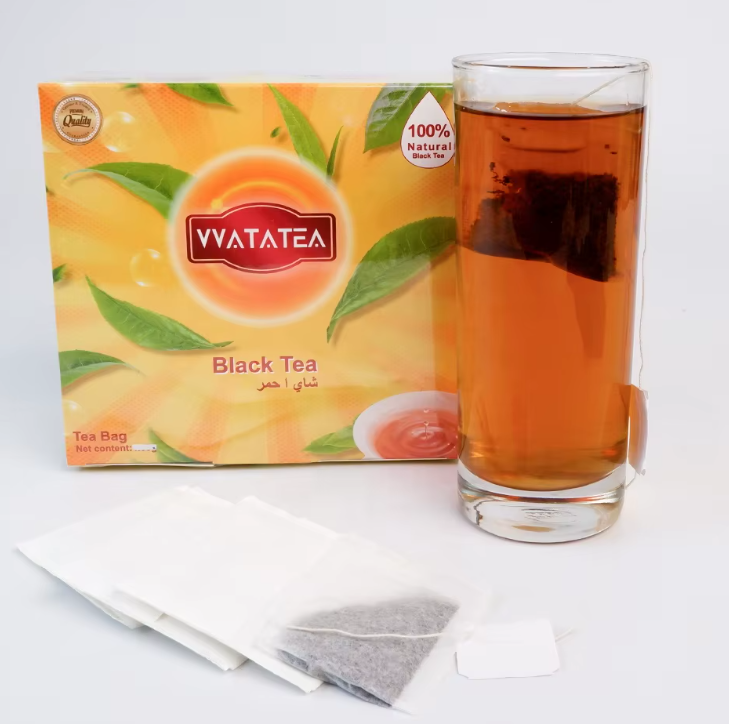
Tea Bag Materials and Their Impact on Shelf Life
Non-Woven Fabric vs. Natural Fiber: Moisture Barrier Efficacy and Oxygen Transmission Rates
Synthetic non woven fabrics create much better moisture barriers compared to natural materials such as cotton or abaca, which matters a lot in places with high humidity where excess moisture leads to enzyme breakdown and mold problems. The downside though is these synthetics let more oxygen through, speeding up oxidation processes that rob antioxidants from products over time. Studies indicate that certain teas might actually lose around 15 to 20 percent of their valuable polyphenols each year just sitting in regular air. On the flip side, natural fiber packaging allows less oxygen entry, helping preserve those delicate plant compounds found in sensitive teas like matcha. But there's another catch: natural materials soak up moisture faster, so they need careful storage conditions typically below 40% relative humidity to avoid going bad. Because of this balancing act between protection factors, most companies selling black and herbal teas across hot regions tend to go with non woven options despite their drawbacks. Meanwhile specialty producers still favor natural fibers for premium green and white teas that require specific atmospheric controls during storage and transport.
Synthetic (Nylon) vs. Biopolymer (PLA): Oxidation Resistance and the Biodegradability–Stability Trade-Off
Tea bags made from nylon offer great protection against oxidation since they let through less than 5 cc/m²/day of oxygen, which helps keep black tea fresh on shelves for around 2 to 3 years. On the flip side, PLA biopolymer bags might break down in industrial composts within about 90 days, but these materials allow about three times more oxygen to pass through them. That means green tea stored in PLA sachets usually stays at peak quality for only 6 to 9 months before losing its character. The tradeoff here is pretty clear cut: nylon keeps products intact longer term but creates microplastics that end up in our water systems. PLA is better for the environment overall, pushing forward circular economy principles, but comes with headaches for inventory control and demands quicker sales cycles. Smart companies have started limiting their use of PLA to quick turnaround items sold directly to consumers, often combining it with extra protective layers like nitrogen flushing and aluminum lining to compensate for its shortcomings as a barrier material.
How Tea Type Governs Shelf Life Within Identical Tea Bags
Oxidation Stability Spectrum: Black (24–36 months) to Green (6–12 months) in Standard Tea Bags
The actual shelf life of tea depends mainly on how much it has been oxidized rather than just how it's packaged. Black teas that have gone through full oxidation develop stable compounds called theaflavins and thearubigins, which help them keep their taste and benefits for around three years in regular tea bags. Green tea is different though. Since it undergoes minimal processing to preserve those important catechins like EGCG, it gets affected quickly by oxidation and heat damage. This means most green teas only stay good for between six and twelve months even if they're packed in the same high quality materials as black tea. White tea behaves similarly to green tea because of its minimal processing, while partially oxidized oolongs sit somewhere in the middle with shelf lives ranging from twelve to twenty four months. What matters most isn't what kind of packaging we put these teas in, but the chemical changes happening inside the leaves themselves. Storing tea properly in cool, dark places does slow down deterioration somewhat, but ultimately can't change the fundamental chemistry that determines how long each type stays fresh.
Herbal and Flavored Blends: Volatile Oil Degradation and Off-Flavor Development in Tea Bag Formats
The shelf life of herbal and flavored teas tends to be much shorter compared to traditional black or green teas. The main culprit isn't caffeine or tannins going bad, but actually those lovely volatile organic compounds we all love in our teas. Take citrus oils for instance, along with mint menthol and various spice terpenes these components start breaking down pretty quickly once they come into contact with even small amounts of oxygen left inside tea bags. Most people notice this degradation around 6 to 8 months later when their favorite blend starts tasting stale or developing that unpleasant cardboard smell. Dried fruit bits are another problem area. These little guys soak up moisture from inside the tea sachet which raises humidity levels and creates conditions where microbes can thrive. This leads to weaker aromas and sometimes musty flavors creeping in. Even artificial flavors, which should last longer since they're more stable chemically, still break down over time through processes like hydrolysis and photo oxidation when light or oxygen gets through the packaging material. That's why many high quality herbal tea manufacturers now incorporate nitrogen flushing techniques and use special opaque, metallized inner linings in their packaging. It's not just about picking the right type of tea bag anymore if we want to keep those delicate top notes intact for longer periods.
Packaging Design: The Critical Layer Protecting Tea Bags from Environmental Degradation
Seal Integrity, Light Blocking, and Humidity Control: Why Aluminum-Lined Pouches Outperform Paperboard for Tea Bags
When it comes to keeping tea fresh, aluminum lined pouches beat regular paperboard hands down because they tackle all three main enemies of good tea storage oxygen, light, and moisture. The heat sealed seams basically shut out air almost completely blocking more than 99.9% of oxygen getting through, while paperboard just lets gases escape over time since it's naturally full of tiny holes. Aluminum doesn't let any light in at all, which protects those delicate flavors that get ruined by sunlight like linalool and beta carotene. Paperboard on the other hand lets around 70% of light pass through, which makes tea lose its flavor faster and turn brown. And then there's the moisture issue. The metal layer stops water vapor from getting in at less than 0.5 grams per square meter per day basically nothing gets through. Paperboard soaks up humidity from the air within weeks though, which leads to stale tea and sometimes even mold growing. Tests done by the Tea Association of the USA show that tea stored in these aluminum packages stays good for about 18 to 24 months longer than in normal paperboard packaging. That's why high quality teas and ones meant for export almost always come in this type of packaging, even though it costs a bit more.
Tea Bag Format Itself: Does Encapsulation Accelerate Freshness Loss?
Putting tea in bags doesn't actually speed up how fast it loses freshness. Instead, it changes how the tea degrades depending on what materials are used and how they're made. Better quality tea bags use stuff like food safe nylon or special plastic coatings that block air pretty well, maybe around 0.5 something units per square meter per day. These create little protective zones inside the bag that really slow down oxidation compared to just storing loose leaves. But if manufacturers cut corners somewhere along the line, like with weak seals or cheap fabric mixes, then moisture can sneak in at about 3 to 5 percent each month. That kind of dampness makes flavors fade faster, sometimes up to 30 percent quicker than good quality tea bags. When everything works right, proper tea packaging actually keeps tea fresh longer than leaving it loose. However, when companies use bad materials or mess up the sealing process, those same tea bags become problems instead of solutions. This explains why serious tea makers check their materials against standards like FDA regulations, test how much oxygen gets through different batches, and watch humidity levels while making the products. These steps aren't optional if they want to make decent tea bags.