
 Black Tea
 EN
EN
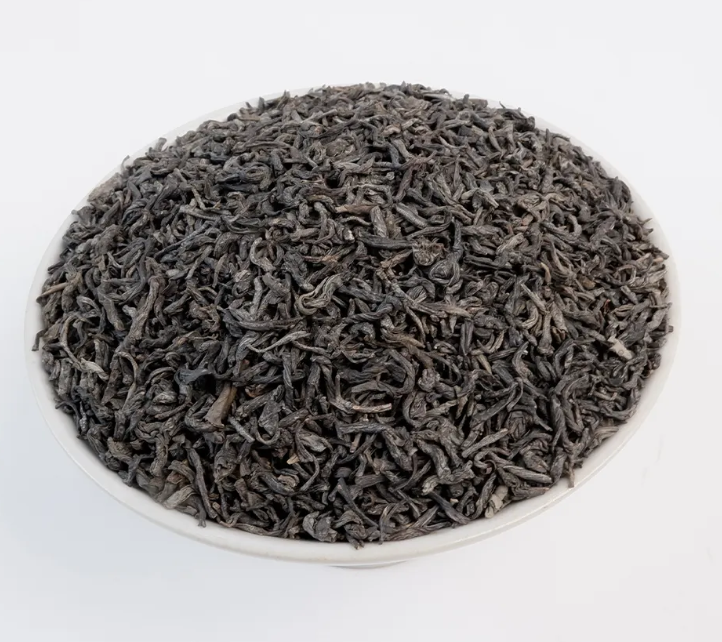
What Lead Time Means for a Tea Company
The term lead time basically means how long it takes from when someone places a big order for tea until those boxes actually arrive at the warehouse. Tea manufacturers deal with several steps along the way including getting hold of fresh leaves, going through various processing stages, mixing different blends together, putting everything into packages, dealing with all those customs forms, and then finally getting shipped out. According to recent industry data from Capgemini, about three quarters of companies experience some kind of delay during shipping which ends up stretching their lead times. This makes tracking lead times really important for anyone trying to manage day to day operations effectively without running into stock shortages or overstock situations.
When lead times get shorter, companies can manage their inventory much better, cut down on those expensive storage fees, and keep their products fresh. This matters a lot for sensitive teas such as green and white varieties that lose quality quickly if not handled properly. On the flip side, when lead times stretch out too long, businesses end up tying up money they could be using elsewhere while running the risk of empty shelves right when customers need them most. Tea companies that take a close look at their own lead time structures tend to spot coming seasons changes ahead of time. They watch for things like the annual harvests happening in places like Assam or Uji, then adjust their ordering schedules so they match what local producers can actually deliver without overburdening either side.
Ultimately, lead time isn’t just a logistical interval; it’s a strategic lever influencing customer satisfaction, waste reduction, and supply chain resilience.
Key Factors That Influence a Tea Company’s Lead Time
Origin, logistics, and import regulations by tea-growing region
Where tea comes from really affects how long it takes to get here. For instance, places far away like Nepal or Kenya mean longer shipping times just because they're so distant. Then there are all those import rules that slow things down even more. The FDA checks everything coming into the US, and European markets need special plant health certificates too. This paperwork alone can take anywhere from one to three extra weeks just to clear through customs. How we ship makes a big difference too. Flying the tea cuts down on travel time to about seven days, but that costs a lot more money. On the other hand, sending it by boat might take four to eight weeks, but companies save money when shipping large quantities. And let's not forget about unexpected problems in certain regions either. Port strikes happen sometimes, and when they do, delivery schedules go completely out the window without warning.
Order specifications: Blends, certifications, packaging, and minimum order quantities
Custom requirements significantly extend production schedules:
- Blends: Developing new recipes adds 2–4 weeks for formulation and testing
- Certifications: Organic/Fair Trade validation requires 3–6 weeks for audit completion
-
Packaging: Custom material sourcing (e.g., biodegradable pouches) adds 1–2 months
Minimum order quantities (MOQs) also affect timing—orders below 500 kg often wait for batch consolidation, delaying fulfillment by 10–15 days.
Production capacity, harvest cycles, and supply chain resilience
The seasons naturally limit what gets harvested when. Japanese sencha is mostly available during spring months, whereas Assam black tea comes around twice a year. When orders start piling up beyond what equipment can handle, usually about four fifths of maximum capacity, factories end up with three week delays on shipments. Weather problems such as monsoons wrecking crops or not enough workers showing up at tea gardens often push delivery schedules even further out, sometimes adding almost a month to wait times. This makes having multiple suppliers across different regions absolutely essential for any business that wants reliable access to quality tea throughout the year.
Typical Lead Time Benchmarks for Bulk Orders from a Tea Company
Standard timelines: From order confirmation to U.S. warehouse receipt
For most tea companies, bulk orders take 4–6 weeks from confirmation to U.S. delivery if sourcing standard blends from existing inventory. Complex timelines involve:
- Production (1–2 weeks): Blending and quality control
- Ocean freight (3–4 weeks): Shipping from origin countries
-
Customs clearance (3–7 days): FDA compliance checks
Urgent air shipments reduce transit to 5–7 days but increase costs by 35–60%. Orders exceeding 5,000 kg often see accelerated processing through consolidated freight.
How lead time varies between tea sourcing models
- Direct-farm tea companies: 8–12 weeks due to seasonal harvests and single-origin handling
- Blended-wholesale tea companies: 6–8 weeks for custom formulations with certifications like organic or Fair Trade
-
Import-distributor tea companies: 3–5 weeks leveraging pre-cleared inventory
Diversified suppliers mitigate delays—teams with regional warehouses cut lead times by 40% versus origin-only operations. Verify contingency plans for monsoon season disruptions affecting 74% of Indian/Ceylon shipments (Global Tea Logistics Report 2023).
How to Reduce Lead Time When Ordering Bulk Tea from a Tea Company
Want shorter wait times when ordering bulk tea? Strategic planning matters, but so does working closely with suppliers who understand the business. Start by getting ahead of the game with harvest seasons. If you're after premium stuff like Darjeeling or Japanese Sencha, give notice 6 to 9 months before those crops hit the market. This helps secure fresh stock before everyone else jumps on the bandwagon. Keep things simple where possible too. Standard blends tend to move faster than custom mixes. Go for already certified organic or fair trade products instead of waiting through certification processes. Stock packaging saves tons of time compared to custom designs which can take months to finalize. Consolidating shipments makes a big difference at ports. Full container loads get processed in about a week rather than three if we ship partial containers. Building solid relationships pays off in the long run. Tea companies often give priority to clients with multi-year agreements, especially when supply gets tight. And don't forget about hybrid approaches for urgent needs. Send small sample batches via air freight while waiting for larger sea shipments to arrive. This keeps operations running smoothly even when unexpected delays happen.