
 Black Tea
 EN
EN
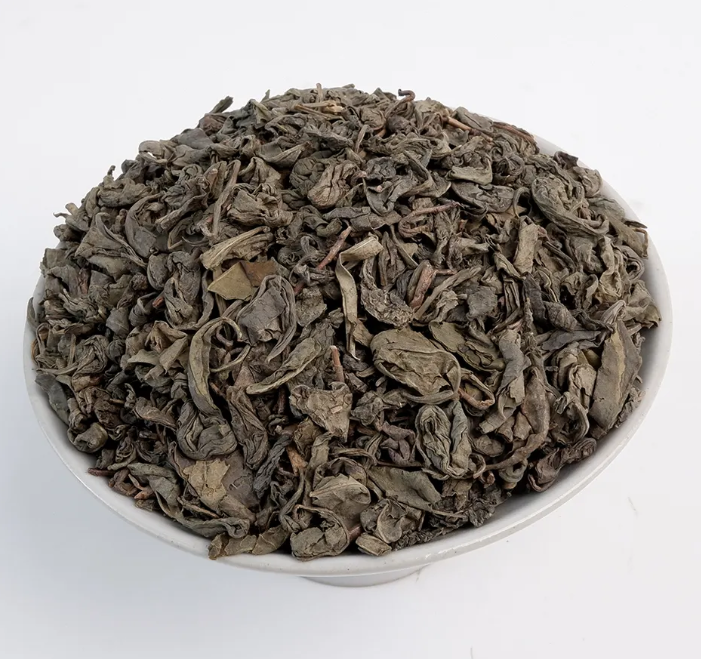
Critical Control Points in Gunpowder Tea Production
Rolling Precision and Pearl Formation: Linking Technique to Grade Consistency
The mechanical rolling stage stands as the most critical point in determining the final quality of gunpowder tea. Getting the right amount of pressure between 40 to 60 psi along with proper rotation speed makes all the difference when it comes to how dense and uniform those little tea pearls become. These characteristics are basically what decides whether a batch gets top grade or not. When the pearls form tightly around 1.5 to 2.5 mm across, they tend to release their flavors about 35 percent slower during brewing. This means longer infusion times and more consistent coloring in the brewed tea. Keeping size variations below 5% requires constant attention from workers who check samples manually through calibrated sieves roughly every 45 minutes. Meanwhile, there are also automated pressure sensors watching things closely and making instant corrections whenever compression levels go beyond acceptable limits.
Moisture Control (<5.5%) to Ensure Shelf Stability and Flavor Integrity
The drying process after rolling remains one of those make-or-break quality checkpoints where moisture levels must stay under strict control at around 5.5%. The spec gets verified using near infrared tech in most facilities these days. If they let it creep even half a percentage point above that limit, the polyphenols start breaking down faster, which means noticeable flavor losses show up in as little as two months. Most plants run their drying tunnels between 93 and 97 degrees Celsius to get rid of excess water without burning the leaves. After that comes the cool down phase in sealed chambers to stop any moisture from getting back into the product. What makes this whole setup work so well is that it keeps aflatoxin levels below dangerous thresholds while still maintaining those volatile compounds that give the tea its distinctive smoky character when brewed properly.
| Moisture Level | Microbial Risk | Flavor Preservation |
|---|---|---|
| ≤5.5% | Minimal | 18–24 months |
| 5.6–6.0% | Moderate | 6–9 months |
| >6.0% | High | ≤3 months |
Sensory and Physical Quality Standards for Gunpowder Tea Wholesale
Visual QC: Uniform Pearl Size, Surface Luster, and Density Assessment
The wholesale market sticks to pretty strict visual standards when evaluating quality. For top tier products, the pellets need to maintain consistent sizes around 1 to 2 mm with no more than 5% variation across the batch. The surface shine tells a lot too - those shiny specks mean the natural wax layer is still intact, which acts as a good indicator of freshness. When the pearls catch light evenly, that's a sign of premium grade material. Getting the right density between 0.8 and 1.2 grams per cubic centimeter makes all the difference for keeping oxygen out during storage and ensuring proper steeping characteristics later on. Industry insiders say suppliers who follow these quality checks can cut down on flavor loss by somewhere around 70% compared to buying from less reputable providers who don't bother with such details.
Aroma and Taste Profiling: Detecting Oxidation Drift and Storage-Induced Off-Notes
Sensory panels trained specifically for this work perform blind tastings following ISO 3103 standards when looking for signs of early oxidation or problems from improper storage. When fresh gunpowder tea is in good condition, it typically has those clean, grassy flavors mixed with a nice smokiness. But if we start smelling things like paper or even fishy odors, that's usually a red flag for something going wrong. Any batch that tastes overly bitter or sour gets marked right away for further inspection. Looking at the numbers tells us something interesting too: teas with densities under 0.8 grams per cubic centimeter tend to lose their flavor about 40 percent faster than others. That makes density measurement pretty important for predicting quality issues down the road. At our distribution centers, we take samples from sealed containers so we can quickly identify and separate out any bad batches before they ever reach customers' hands.
Regulatory Compliance and Certification Requirements for Gunpowder Tea Export
EU MRLs, USDA Organic, and China GB/T 14456.2–2018: Key Testing Mandates
Exporters targeting premium markets must align with three core regulatory frameworks. The EU enforces strict pesticide limits under EC Regulation 396/2005, testing for over 500 compounds—non-compliance risks shipment rejection. USDA Organic certification requires:
- ≥95% organic ingredients
- Annual third-party audits of supply chains
- Full traceability documentation from farm to export
China's GB/T 14456.2–2018 standard mandates specific physical and safety parameters:
| Parameter | Threshold | Test Method |
|---|---|---|
| Moisture | ≤6.5% | GB 5009.3–2016 |
| Total Ash | ≤7.5% | GB 5009.4–2016 |
| Lead Content | ≤2.0 mg/kg | GB 5009.12–2017 |
Failure to meet any of these standards can trigger customs delays or fines exceeding $50,000 per violation (ITC Trade Data 2023). Proactive lab testing against all three ensures market access and brand integrity.
Supply Chain QC Protocols: From Packaging Integrity to Batch Traceability
Good quality control keeps gunpowder tea intact throughout shipping around the world. The special packaging stops it from getting too moist, which would ruin those tightly rolled leaves and all that rich flavor we love. These days, many companies use blockchain technology to track where the tea comes from and what happens to it along the way. They record things like where it was grown, temperatures during storage, and when workers handled the product. This information matters a lot for different markets. For example, knowing exactly where the tea came from helps prove it's free of pesticides according to European Union rules and Chinese regulations. Keeping track of storage temperatures is essential for maintaining organic status too. And those exact time stamps come in handy when there are concerns about oxidation risks during inspections by authorities.
Digital chain-of-custody records allow wholesalers to isolate compromised batches within minutes, reducing recall costs—averaging $740,000 per incident (Ponemon Institute, 2023). This integrated approach, combining hermetic packaging validation with real-time tracking, protects against both physical contamination and documentation gaps across distribution networks.