
 Black Tea
 EN
EN
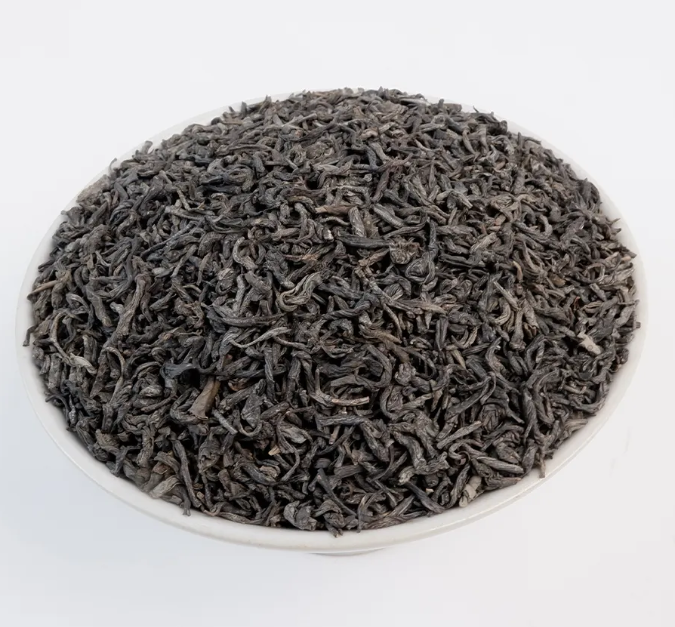
Understanding Chunmee Green Tea Grading and Quality Standards
Decoding Chunmee Green Tea Grade Codes (e.g., 4102, 9371, 8147) and Their Impact on Batch Consistency
The grading system for Chunmee green tea includes codes like 4102, 9371, and 8147 which serve as standard markers for specific leaf qualities. These codes basically tell us about how tightly twisted the leaves are, how many tender tips they contain, and whether the particles are uniform in size. When it comes down to actual brewing results, these physical traits make all the difference in how consistent the infusion turns out, how strong the flavors come through, and what kind of astringency we experience. The higher numbered grades, particularly those in the 9000 series, usually mean we're looking at those nicely coiled eyebrow shaped leaves with less than five percent broken bits. This makes them much easier to brew consistently time after time, delivering similar tasting cups each go around. Lower grades from the 4000 series tend to be messier looking with looser formations and lots of variation between different leaves. People who work in industrial settings depend heavily on these grading standards to keep their products stable throughout production batches. Take grade 8147 for example it showed pretty impressive results last year with about 97% consistency in moisture levels across all exports in 2023, making it a solid choice when blending large quantities of tea.
How ISO 22000 and Local QM Certification in Anhui and Jiangxi Ensure Uniform Leaf Size, Color, and Flavor
The ISO 22000 certification along with quality management standards from provinces like Anhui and Jiangxi creates strict guidelines for keeping Chunmee green tea looking and tasting consistently good. Tea processors who get certified need special sorting machines that keep leaf sizes within about 2mm difference, plus they check the distinctive olive green color using those fancy spectrophotometer devices. The temperature during the withering process has to stay pretty much exactly around 32 degrees Celsius give or take a degree so the flavors don't get messed up. According to recent agricultural checks in 2024, places that follow these rules saw almost 90% fewer quality problems than those that didn't bother getting certified. What makes Jiangxi stand out is how their local quality system also looks at soil acidity levels and adds minerals when needed. This helps maintain those unique taste characteristics that tea lovers expect from the region, especially that clean, mineral aftertaste that sets it apart from other teas on the market.
Optimizing the Chunmee Green Tea Supply Chain for Reliability
Aligning Harvest Cycles and Processing Timelines Across Key Growing Regions
Getting consistent batches starts right in the fields, really depends on getting the harvest timing just right between Anhui and Jiangxi provinces. These two regions alone provide about 68% of all Chunmee worldwide. Because of differences in elevation, plants mature at different rates, so harvest periods can last from April all the way to July. Without good coordination, this creates major bottlenecks for processing. Digital harvest calendars that track actual weather conditions and leaf development help factories plan better. They can space out processing times instead of everything coming in at once, which cuts down transportation wait times and keeps moisture levels stable after harvest. Look what happened when producers in Hubei synchronized their picking schedule with processors in Jiangxi last year. The variation in drying times went down around 40%, and nearly all large orders were delivered on time. This shows pretty clearly that when everyone works together operationally, product quality stays much better.
Preserving Signature Needle Shape and Astringency via Cold-Chain Drying and Vacuum-Sealed Packaging
Premium Chunmee tea leaves have that distinctive tight rolled shape and just right level of astringency, but these qualities can easily be ruined if exposed to heat or humidity. Smart manufacturers have developed a special two part process to protect what makes Chunmee so good. First they dry the leaves at cool temperatures between 5 and 8 degrees Celsius inside controlled environments where humidity stays steady. This stops the leaves from oxidizing while keeping their important catechin compounds intact. Then comes the second step which involves sealing the tea in vacuum packs flushed with nitrogen gas. This helps prevent the green color from fading and keeps moisture levels from creeping back up during shipping. When compared with old fashioned sun drying methods, this modern cold chain technique cuts down on moisture regain by about 90 percent. Labs have tested this and found that Chunmee packed this way still holds onto around 98% of its EGCG content even after sitting for a whole year. That means better antioxidants and more consistent taste whether making blends or managing stock over time.
Building Long-Term Supplier Partnerships for Stable Chunmee Green Tea Supply
MOU Frameworks with Anhui Cooperatives: Volume Commitments, Price Bands, and Climate-Resilient Force Majeure Clauses
When Anhui cooperatives sign Memorandums of Understanding (MOUs), they create a kind of safety net through three main commitments. These multi year agreements basically lock in minimum volumes of Chunmee, which is this particular agricultural product known for its quality and traceability. Farmers get stable income while companies aren't left scrambling when there's a shortage in the market. Price ranges are set based on things like the Mombasa Auction index, so nobody gets hit too hard when markets swing up or down. Growers don't lose everything if there's an oversupply, and buyers know roughly what their costs will be. What really makes these agreements stand out though are the special clauses dealing with extreme weather events. Instead of vague language about disruptions, these MOUs have actual plans triggered by satellite data showing droughts or floods reaching certain levels. This lets them quickly move volumes around within regions and set up shared funds for emergencies. Studies suggest these kinds of arrangements make supply chains about 40% more robust compared to regular buying practices. Plus, the money generated from these MOUs often goes back into improving farms with better irrigation systems and planting crops that can handle colder temperatures, which helps maintain consistent product quality over time.
Leveraging Traceability and Ethical Sourcing to Mitigate Supply Risk
End-to-End Blockchain Tracking—from GPS-Tagged Tea Gardens to Customs Documentation at Port of Entry
The blockchain system brings real transparency to the whole Chunmee supply chain, tracking everything from where it starts growing right through to when it arrives at the port. Farmers in Anhui and Jiangxi provinces are now tagging their harvests with GPS devices that log precise locations, picking dates, and even keep records of who certified each batch. This creates solid proof about where the product actually came from. When the Chunmee gets processed, all sorts of sensors kick in too. They monitor things like how hot the drying process is, when packages get sealed in vacuum, and what condition they're stored in. All these details connect back to how good the final product tastes and looks. The information automatically moves into shipping papers and customs forms, creating a paper trail that nobody can mess with. A recent study published in Food Logistics Journal found these kinds of systems cut down on fraud by around 40% and help find contaminated batches within just four hours instead of taking weeks to track down problems. Plus there's something called smart contracts that watch for any issues with wages paid to workers or if pesticides show up above safe levels. Importers and brands love this because it lets them respond much quicker to potential problems while still being able to tell customers exactly why their Chunmee meets those quality standards everyone expects nowadays.