
 Black Tea
 EN
EN
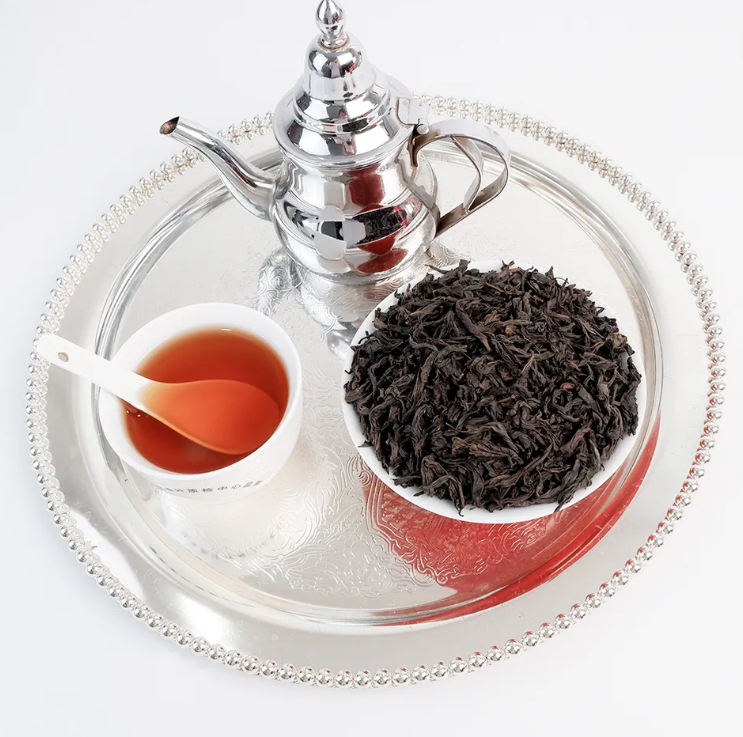
Oolong Tea Leaf Integrity: How Processing and Oxidation Affect Tea Bag Viability
Orthodox processing and its role in preserving whole-leaf structure for bagging
Traditional methods keep oolong tea leaves intact by gently rolling them and carefully controlling the drying process. This approach reduces breakage and maintains the leaf structure needed for good tea bags. Whole leaves stand up better to packaging pressures, create fewer tiny particles that settle at the bottom of cups, and let flavors develop slowly when steeped. That slow release is what makes oolong so special with its complex aromas and rich mouthfeel. On the flip side, CTC processing which crushes, tears, and curls the leaves breaks down their structure completely. This speeds up how fast the tea infuses but often leads to bitter tastes in small tea bags where the leaves can't expand properly.
Oxidation level (10–70%) and its direct impact on cell wall strength and infusion stability in sachets
The oxidation process has a big impact on cell wall strength, which affects how different oolong teas behave when brewed in tea bags. When we look at lightly oxidized varieties, those with around 10 to 30% oxidation, they tend to keep their cell walls intact. This results in slower, more stable infusion rates that work really well for longer steeping periods, especially in pyramid shaped sachets. For moderately oxidized oolongs in the 40 to 60% range, there's some structural breakdown happening. These offer a good balance between strength and speed, making them suitable for regular brewing times most people are used to. On the other hand, heavily oxidized oolongs (about 60 to 70%) have much weaker cell walls. They release flavors quickly but can become bitter if left too long in water. What's interesting is these types also break apart more easily during packaging processes, sometimes up to 35% more fragmentation than the lighter oxidized counterparts. Getting the right match between oxidation levels, sachet design, and suggested steeping times matters a lot for maintaining tea quality overall.
| Oxidation Level | Cell Wall Integrity | Infusion Rate | Bagging Suitability |
|---|---|---|---|
| Light (10–30%) | High | Slow | Ideal for long-steep pyramid bags |
| Medium (40–60%) | Moderate | Balanced | Versatile for most sachet types |
| Heavy (60–70%) | Low | Fast | Requires precise steep time control |
Tea Bag Design Considerations for Whole-Leaf Oolong Tea
Pyramid sachets: optimal space, mesh porosity, and leaf expansion for curled oolong tea
The pyramid shape of these tea sachets was specifically designed for whole leaf oolong teas. Because of their three dimensional form, they actually hold about half again as much space inside compared to regular flat tea bags. This extra room lets those tightly rolled tea leaves spread out properly when steeped, which is really important for getting even moisture distribution and extracting all the flavors. Traditional flat bags tend to compress the leaves too much, leading to inconsistent tannin release and making the tea taste bitter too soon. The fine nylon mesh used here ranges between 200 to 300 microns in size. This allows just the right amount of water circulation while keeping those precious aromatic compounds inside. Tests have found that pyramid shaped bags keep around 30 percent more of those volatile oils compared to standard envelope style tea bags. And this makes a big difference in preserving the delicate floral and orchid notes that characterize good quality oolong tea.
Limitations of traditional envelope bags for large-leaf oolong tea grades
The flat envelope bags, which have an interior space of around 2.5 cubic centimeters, simply don't give enough room for those big leaf oolongs or the semi-ball rolled ones to spread out properly during brewing. When leaves can't expand fully, they don't hydrate right either. What happens next? Well, some research indicates that when tea leaves are compressed like this, they release about 40 percent more tannins in the very first minute of steeping. That makes the tea taste bitter instead of letting all those subtle flavors come through naturally. And it gets worse because many of these envelopes use low porosity paper or polyester material that blocks water from flowing freely around the leaves. This creates little dead spots where parts of the leaf never get wet at all. Given all this, it's pretty clear why envelope bags just aren't good options for high quality whole leaf oolong teas.
Oolong Tea Grading and Physical Suitability for Commercial Tea Bags
Whole-leaf vs. broken-leaf vs. fannings: evaluating oolong tea grades for bag compatibility
Special packaging matters a lot for whole leaf oolong tea. Pyramid sachets with capacities around 3 to 5 grams work best since these leaves expand so much during steeping, sometimes doubling in size. This expansion helps maintain those complex aromas and rich mouthfeel characteristics that make oolong special. For broken leaf grades which are smaller pieces but still mostly intact, regular flat tea bags usually do the trick because they don't expand as dramatically. Then there's fannings, those tiny particles under 1 mm in size. They brew quickly but come with problems like clogging normal mesh filters. Plus studies show something interesting about aroma retention. When properly packaged, whole leaf versions actually hold onto about 30 percent more of those important volatile compounds compared to broken leaves or fannings. That makes a real difference in flavor quality for serious tea drinkers.
Quality trade-offs: when blending oolong tea with fannings compromises aroma and authenticity
Mixing high quality oolong tea with fannings can save manufacturers around 25 to 35 percent on production expenses, though it comes at a serious cost to flavor quality. The fannings speed up oxidation even when stored properly, turning those lovely honey tones, stone fruits, and roasted characteristics into just plain bitter aftertaste. These kinds of blends really hide what makes good oolong special - the unique flavors from where the leaves were grown. Tea lovers who know their stuff start losing faith when they taste these inferior products instead of getting that complex, changing experience they expect from real oolong. For anyone wanting authentic tea with all its original aromas intact, going for single grade whole leaf remains essential.
Packaging Challenges: Preserving Oolong Tea Quality in Sealed Sachets
Keeping the delicate balance of oolong tea intact inside those little paper packages depends on fighting off three main problems that all work together against it: getting exposed to air, letting in moisture, and allowing light through. When semi oxidized varieties sit around in poorly sealed packaging, they start losing their antioxidants pretty fast according to some research published last year in the Tea Chemistry Journal. These teas naturally contain just about 2 to 3 percent moisture left after processing, which makes them really sensitive to changes in humidity. Even a small jump in room humidity by 5% can lead to mold starting to grow on the leaves. Then there's sunlight to worry about too. Ultraviolet rays speed up oxidation processes, especially breaking down the green pigments in premium jade oolongs. This not only affects how fresh tasting the tea remains but also causes the brewed liquid to lose its vibrant color over time.
Manufacturers counter these risks using:
- Nitrogen-flushing before hermetic sealing to displace ambient air
- Opaque outer packaging to eliminate UV transmission
The best packaging solutions use ultrasonic sealing (this method prevents the loss of delicate volatile compounds) along with specially designed oxygen absorbing liners. These combined features help keep those wonderful floral aromas and the clear amber color of oolong tea intact for around 18 to maybe even 24 months in storage. Worth mentioning though, pyramid shaped tea bags actually need much thicker protective layers compared to regular flat bags because the leaves inside expand as they steep, and if the seal fails during this process, all the careful preservation goes right out the window.