
 Black Tea
 EN
EN
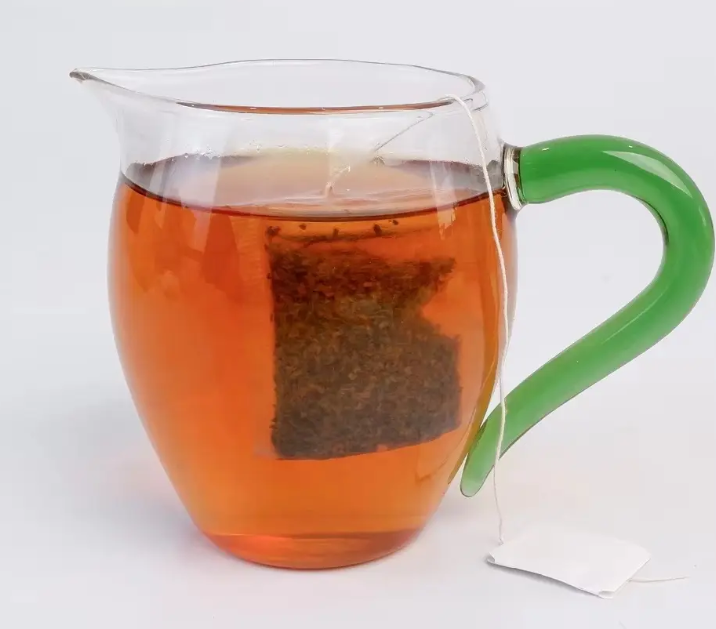
How Tea Bag Production Capacity Is Measured and Optimized
Key Metrics: Bags per minute (BPM), line uptime, and material utilization efficiency
When looking at production capacity, there are basically three key factors to consider. The first one is bags per minute or BPM for short. This tells us how fast the machines actually run. Most modern lines equipped with servos can hit around 200 to 250 BPM regularly. Then we have line uptime, which shows how reliable the operation really is. Good facilities typically stay above 95% running time. If a plant manages to boost this just 5 percentage points at 250 BPM, they could produce roughly 34 million extra units each year. Lastly, material usage efficiency matters a lot too. We track waste from things like filter paper, threads, and packaging tags. With better engineering, companies focused on sustainability often keep their scrap below 2%. These three indicators work together like a trio of signals pointing out where problems exist and showing what improvements need attention most.
Automation’s Role: From manual filling to AI-guided high-speed tea bag packaging lines
The way we think about production limits has completely changed since automation came along. Traditional manual or semi-automated production lines used to max out around 40 bags per minute, but today’s integrated high-speed systems can do all sorts of tasks like dosing, heat sealing, tagging, and inline inspections at speeds ten times higher. For instance, AI driven optical inspection systems can check through about 1000 plastic bags every single minute, which is roughly four times quicker than what humans could manage while spotting defects down to fractions of a millimeter. What’s really interesting though goes beyond just making things faster. Smart algorithms actually learn when parts are starting to wear out and plan maintenance before breakdowns happen, cutting unexpected stoppages by somewhere around 30 percent in many facilities. All these improvements explain why companies keep investing heavily in automated solutions year after year, with growth rates hitting around 6.2% annually across the sector. The money spent on automation isn’t just an expense anymore it's becoming a foundation for building production capabilities that will last well into the future.
Top Global Tea Bag Manufacturers and Their Verified Annual Capacities
Huhtamaki: 1.2+ billion tea bags/year across North American high-speed facilities (2023)
Huhtamaki runs several of the top tea bag manufacturing plants across North America, producing over 1.2 billion units each year according to their records. Their facilities make use of sophisticated servo controlled packaging equipment along with constant quality checks throughout the process. They've also implemented enterprise resource planning systems that help keep things running smoothly. This combination allows them to maintain massive production volumes while keeping product variation extremely low for international tea brand clients. What’s really impressive is how they manage to do all this without any issues with seals coming apart or inconsistent filling amounts in the final product.
Sonoco and WestRock: Contrasting capacity models for pyramid vs. traditional paper tea bags
The companies Sonoco and WestRock show us something interesting about how focusing on specific formats affects their capacity strategies. At Sonoco, they’ve built their whole operation around making those pyramid style bags. This requires really careful work with mesh films, using ultrasonic sealing techniques, and managing complicated multi axis motion controls just to handle the delicate three dimensional forming process. On the other side of things, WestRock has gone in a completely different direction. They focus on traditional paper based bags and have set up their production lines with these high efficiency roll fed systems that let them produce tons of standardized formats quickly. What both companies share though is this deep understanding of their materials. How different materials behave actually shapes how they design their production lines, and this ultimately decides what kind of output they can scale to. And here's another thing worth noting neither company cuts corners when it comes to meeting those important FDA or EU food contact regulations either.
Drivers Expanding Tea Bag Manufacturing Capacity in the USA
Rising demand for specialty, organic, and sustainable tea bags fueling 6.2% CAGR in packaging machinery (2024–2029)
Demand for premium tea formats like organic blends, functional ingredients, single origin products, and those sold directly by artisans is really driving up capacity needs across the industry. People want to know where their tea comes from these days, they care about what goes into it, and many prefer small batches made with real craftsmanship. This has manufacturers scrambling to upgrade their packaging equipment. New systems let them switch between different product types quickly, handle delicate organic leaves without damage, and manage varying batch sizes all while keeping pace with around 200 beats per minute on the production line. Looking ahead, investments in packaging machinery are expected to grow at about 6.2% annually from 2024 through 2029. But this isn’t just about making more stuff faster anymore. Companies are shifting focus toward being able to adapt quickly, reduce waste, and align their manufacturing processes with brand values that resonate with today’s conscious consumers.
Regulatory and sustainability pressures accelerating adoption of compostable tea bag materials and inline quality control
Changes in federal and state regulations, like California’s SB 270 and various EPA programs promoting circular economies, are pushing companies away from traditional petroleum based filters and those pesky polypropylene tags we all know too well. American manufacturers have started switching to compostable options instead. Think filters lined with PLA on cellulose base, adhesives made with water rather than solvents, and tags strung together with plant derived materials. The catch? These eco friendly materials do behave differently when it comes to how strong they are and how they react to heat. But don’t worry, modern production lines handle this through smart sealing tech and systems that maintain consistent tension throughout the process. Throw in some automated vision systems that spot problems like bad seals, crooked fibers, or weird distortions caused by moisture as they happen, and waste drops by around 18% compared to old school quality checks. Looks like going green doesn’t mean sacrificing efficiency after all. In fact, wanting both seems pretty much essential if businesses want to grow sustainably these days.