
 Black Tea
 EN
EN
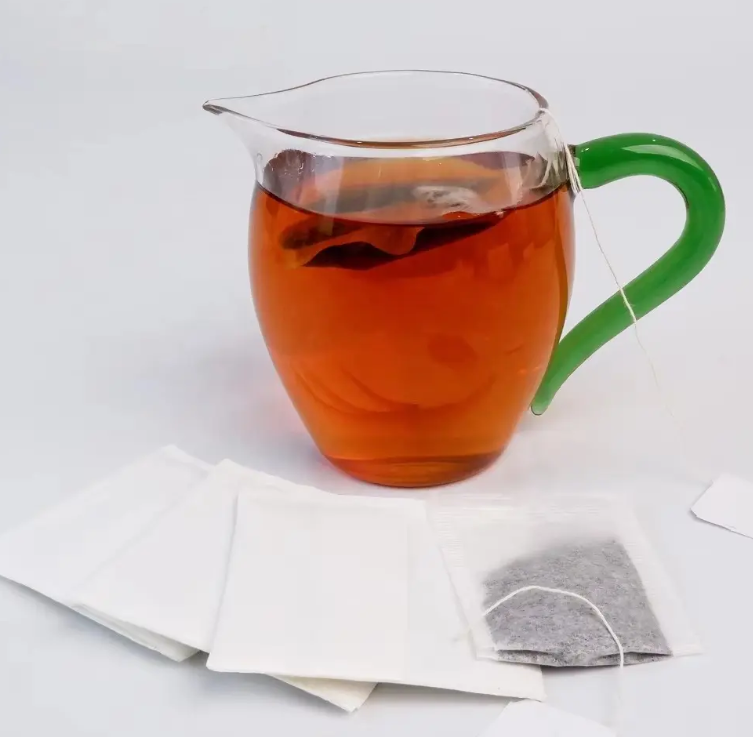
Regulatory Compliance: FDA, EU, and Global Food Contact Requirements for Tea Bag Filters
FDA Indirect Food Additive Regulations for Tea Bag Filter Materials
Tea bag filters need to follow FDA rules when it comes to being considered indirect food additives. These regulations are covered in Title 21 of the Code of Federal Regulations, particularly sections 175 through 178. According to the FDA guidelines, every component used matters including things like binders, coatings, and those wet strength agents that keep the paper from falling apart. All these ingredients either have to be generally recognized as safe (GRAS) or appear on the FDA's approved substance list. What makes this different from other countries is that the FDA doesn't usually require regular migration testing. Instead they work with established compositional limits and trust what suppliers say about their materials. Companies producing tea bags should get written guarantees from their material providers and keep records showing they're within acceptable contamination levels, which typically means keeping individual contaminants under 50 parts per billion. When manufacturers fail to adhere to these standards, there can be serious consequences like import stops or even product confiscations. This highlights why companies really need to double check their entire supply chain before bringing products to market.
EU Framework under Regulation (EC) No. 1935/2004 and Specific Migration Limits
The EU's Regulation (EC) No. 1935/2004 establishes basic safety rules for tea bag filters. According to these guidelines, any materials used shouldn't pose risks to human health, change how food looks or tastes, or mess with the flavor and smell of the beverage. To comply with these standards, companies need to conduct what's called migration testing. This involves simulating actual brewing conditions, typically at around 70 degrees Celsius for about two hours. They also have to follow specific limits on how much material can transfer into the drink. For instance, there's a strict limit of 0.01 milligrams per kilogram for substances like epichlorohydrin. Then there's Regulation (EC) No. 2023/2006 which builds on this framework. It demands proper manufacturing practices throughout the whole process, right from where they source the pulp all the way to when they package the finished product. Manufacturers are required to provide a Declaration of Compliance backed up by detailed technical documentation. These documents should include lab reports from certified facilities, creating a paper trail that holds everyone accountable at every stage of production.
Material Science of Tea Bag Filter Paper: Safety, Performance, and Sensory Integrity
Pore Size, Wet Strength, and Extractables: Balancing Filtration Efficacy and Food Safety
The filter paper in tea bags needs to find just the right middle ground. The pores have to be big enough so all those tasty flavors can come out properly, but still keep most of the bigger stuff inside the bag. We're talking about keeping over 95% of anything bigger than 50 microns from escaping into our cups. Then there are these wet strength additives that stop the bag from bursting open when we steep it. These additives need to pass strict FDA and EU standards for how much they might migrate into the tea itself. Take epichlorohydrin based resins for example. When used below 10 parts per million, they help keep the bag intact without going over what's allowed by regulations. Most companies run standardized brewing tests to check if their filters work well and taste good too. After all, nobody wants a great tasting cup of tea ruined by poor filtration or safety issues down the line.
Lignin Content, Bleaching Methods, and Taste Neutrality in Tea Bag Filter Paper
The lignin content in unbleached filter paper often leads to those unpleasant woody flavors that mess with the delicate taste of tea. When we switch to oxygen bleaching, lignin levels drop down to under 2 percent. This method gets rid of those harmful chlorine chemicals that create dioxins, and keeps the paper from affecting the tea's flavor. Research backs this up, showing about 99% purity compared to regular samples. For safety standards, there needs to be less than 0.1 parts per million of bleach residue according to EU rules from 2004. The filters also need to hold up at 100 degrees Celsius without releasing any bad smells. Tests where people taste blindly confirm this works well too. Most folks can't pick out any paper taste in around 97% of cases during these tests. What this means is simple really: the filter does its job without anyone noticing it, letting the real tea character come through instead of changing things.
Sustainable Alternatives: Biodegradable Tea Bag Filters and Regulatory Acceptance
PLA, Cellulose Blends, and Compostable Certification Challenges for Tea Bags
PLA and those plant based cellulose mixes are actually pretty good replacements for regular plastic filters when it comes to being biodegradable stuff. Made from things like corn starch which is renewable material, PLA can resist moisture and has decent strength too. Plus it breaks down completely in industrial composting setups where temperatures hit around 58 degrees Celsius or higher. But here's the catch with certifications worldwide. There's this problem with different standards across regions. Take EN 13432 in Europe versus ASTM D6400 in America. They look similar in lab tests but they assume totally different infrastructure conditions. And neither one really accounts for what happens in home compost bins. Because of all these differences, barely 12 percent of the biodegradable tea bags we see on store shelves today actually meet certification requirements across multiple regions. Something important to remember though is that even these eco friendly materials still need to go through the same food contact safety checks as normal plastics do. That includes all that migration testing and preparing documentation just like before.
Manufacturing Quality Assurance: From Pulp Sourcing to Lot Traceability for Tea Bag Filters
Quality control starts right at the source with pulp that's been properly checked out. We run regular checks on our suppliers and ask for those official Certificates of Analysis that show they meet both FDA and EU requirements for what comes out during extraction. When it gets to actual production, each batch gets its own special ID number. These identifiers let us track everything from start to finish as we test how well filters work, check if heat seals hold up, and make sure there's no strange taste left behind. The whole operation now relies heavily on automatic data recording throughout all stages of processing pulp, forming sheets, and packing them up. All this creates solid digital records that can't be altered later. If something goes wrong somewhere along the line, these records help pinpoint exactly where things went off track so we can fix problems fast. And when needed, we can target specific batches for recall without disrupting other products. Most importantly, this approach gives clear proof that our materials consistently stay within those strict migration limits and perform reliably in brewing applications.
Table of Contents
- Regulatory Compliance: FDA, EU, and Global Food Contact Requirements for Tea Bag Filters
- Material Science of Tea Bag Filter Paper: Safety, Performance, and Sensory Integrity
- Sustainable Alternatives: Biodegradable Tea Bag Filters and Regulatory Acceptance
- Manufacturing Quality Assurance: From Pulp Sourcing to Lot Traceability for Tea Bag Filters