
 Black Tea
 EN
EN
Global Demand Drivers for Chinese Oolong Tea
Health and sensory appeal: Oolong tea’s partial oxidation as a functional differentiator in premium tea segments
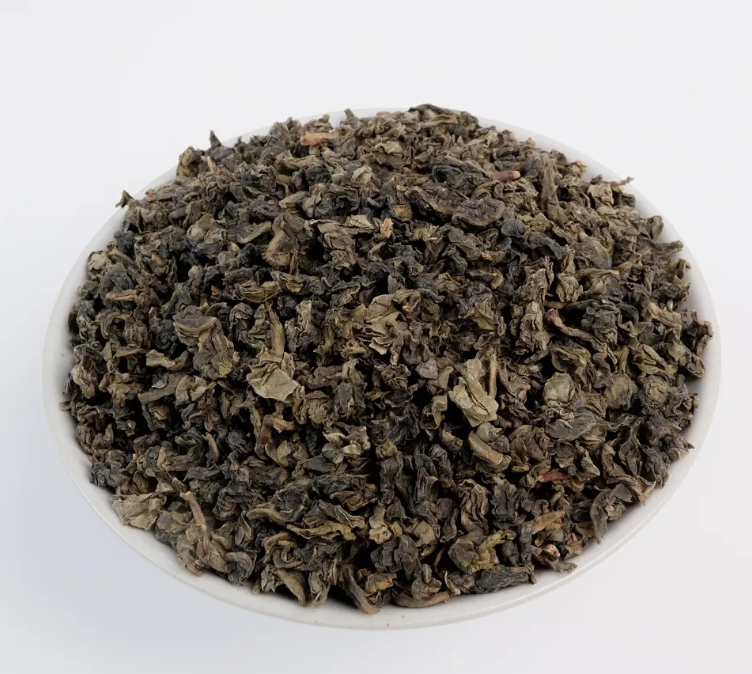
What makes oolong tea so special is its unique oxidation process somewhere between green and black teas. This creates flavors and properties that really stand out in high-end markets around the world. The way these leaves are processed actually produces some pretty interesting compounds called theaflavins and thearubigins. Studies published in Food Chemistry show these can give antioxidants that work about 68% better than what we find in regular green tea. When someone takes a sip, they get those lovely floral notes mixed with hints of honey and minerals on the finish something serious tea lovers absolutely love. From a health standpoint, research indicates drinking oolong can help lower blood sugar after meals by roughly 12%, which explains why so many people interested in their metabolism turn to this beverage. Each 8 ounce cup contains about 37 milligrams of caffeine putting it right in the middle ground between black and green teas. As demand grows for quality teas globally at around 7.2% year over year growth rate, oolong consistently sells for about 19% more than ordinary teas. This premium pricing comes from both how amazing it tastes and the real science behind its health benefits.
Rising consumer preference for artisanal, traceable, and origin-specific oolong tea in mature markets
When it comes to buying premium oolong teas in North America and Europe, where the tea came from and how it was made matter more than what brand name appears on the package. Most specialty tea enthusiasts want to know exactly where their leaves originated, particularly when talking about famous regions like Fujian's Tieguanyin or those precious leaves from Wuyi Mountain's Da Hong Pao. People just want transparency these days. A recent survey found that nearly 8 out of 10 premium tea drinkers would shell out 15 to 30 percent extra if they could track each batch back to its source. The way the tea is crafted makes all the difference too. Hand rolling, sun withering, and that old school charcoal roasting technique? Those details really influence what people decide to buy. Online marketplaces have changed everything, connecting growers directly with customers while sharing stories about when the harvest happened, at what altitude the plants grew, and how exactly the leaves were processed. Sales of oolongs tied specifically to certain growing regions jumped 22% last year according to Beverage Marketing Corporation data, which is three times faster than regular tea categories saw growth.
Top Export Markets for Chinese Oolong Tea and Regional Entry Strategies
Asia-Pacific: Leveraging cultural affinity and cross-border e-commerce for Ti Kuan Yin and Da Hong Pao
The Asia Pacific region continues to be where most Chinese oolong tea gets shipped out, taking in around 60% of all exports. Markets in Taiwan, Japan and across Southeast Asia are really driving this demand. Because people there already know about traditional teas such as Ti Kuan Yin and Da Hong Pao, there's not much need to explain what makes these special. Instead, sellers can concentrate on showing off their quality differences and telling stories behind each batch. Online stores have become great ways to get products out there fast. Tea makers from Fujian often go live streaming sessions where they show how they handle leaves by hand and when they pick them fresh from bushes. This builds real connections with customers and helps sales grow. Top brands create extra value by packaging things differently. They might put together small runs of spring harvest tea with genuine Yixing clay pots or fancy bamboo containers with carvings on them. These surprise packages when opened let them charge significantly more money than regular mass produced options, sometimes even double or triple the price.
North America and EU: Scaling organic-certified, cold-brew-ready oolong tea through specialty retailers and DTC channels
The western market demands some serious changes if we want to succeed there. Health benefits, proper certifications, and new ways people consume tea are all becoming increasingly important. These days organic certification isn't just nice to have anymore. About half of the oolong going out to places like North America and Europe comes with either USDA or EU Organic labels on them. Cold brew pyramid bags that keep the leaves intact during brewing? They're blowing up right now with sales growing at over 100% each year. Smart businesses aren't putting their oolong products in regular tea sections anymore. Instead they place them next to other healthy drinks and work closely with stores like Whole Foods Market and Eataly. These partnerships let customers scan QR codes to see actual scientific research behind the health claims. For direct selling approaches, many companies offer subscription boxes featuring different regional oolongs along with helpful videos showing how to brew them properly plus tasting notes. This approach cuts down on marketing expenses significantly when compared to selling through online marketplaces, and also builds stronger relationships with customers over time.
Key Enablers and Barriers to Scaling Oolong Tea Exports
Digital trade infrastructure: Amazon, Tmall Global, and iHerb as low-cost gateways for niche oolong variants
Digital marketplaces like Amazon, Tmall Global, and iHerb have become game changers for smaller oolong tea producers looking to reach global customers without breaking the bank. The cost savings are pretty substantial too - somewhere around 30 to 40 percent compared to opening physical stores abroad according to that Global Tea Trade Report from last year. This is especially helpful for those special teas grown in mountain regions, aged varieties, or estate-grown batches where production runs just aren't that big. Sellers can watch what's working through customer feedback and sales numbers almost instantly, which means they can tweak things like packaging design, how they describe flavors, even adjust brewing suggestions based on what people actually want. There's definitely a downside though. Keeping the same quality standards when products go through different resellers is tough work. Brands need to be constantly vigilant about protecting their reputation while carefully choosing which distribution channels to work with.
Trade policy advantage: Why oolong tea remains exempt from US Section 301 tariffs due to classification and volume thresholds
There's something special about how Chinese oolong tea sits in the US trade landscape right now. Unlike most other products coming from China, these teas aren't hit with those hefty Section 301 tariffs that range between 15% and 25%. The magic happens because of its HS code 0902.30, which classifies it as "partially fermented tea." Since the total amount imported each year stays way below the $500 million mark set by the USTR back in 2023, it doesn't trigger any additional duties. And there's another perk too: small shipments under 10,000 kg get treated differently altogether through what's called de minimis rules. But keeping things this way isn't automatic. Exporters need to keep detailed records showing exactly how much oxidation occurred during processing and track when fermentation took place. These documents help prove the tea really fits into that "partially fermented" category. For companies selling these teas, this means they can price their products more competitively compared to other Chinese goods facing higher tariffs, giving them better control over profit margins in an otherwise tricky market environment.