
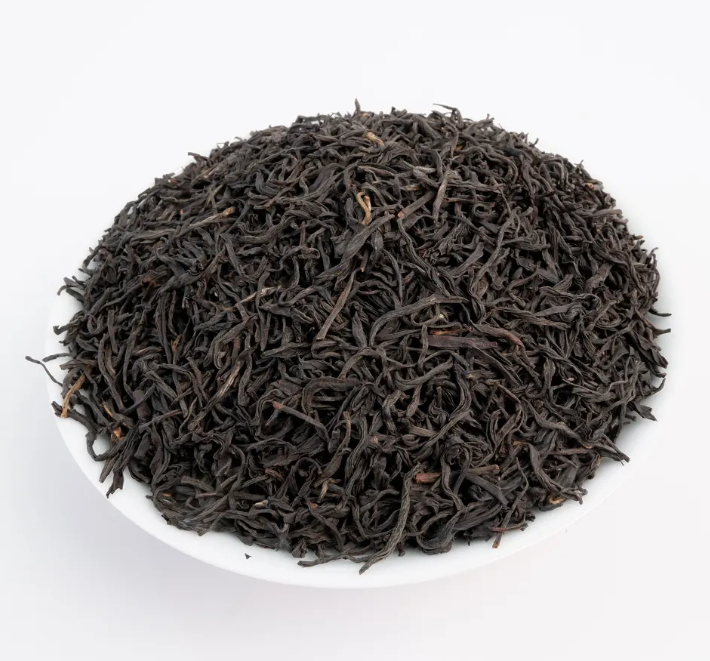
 Black Tea
 EN
EN
Leading Global Markets for Wholesale Tea Imports
USA: Largest wholesale tea importer and premium market opportunity
America stands as the top wholesale tea importer globally, bringing in around 245,000 metric tons during the 2023 to 2024 period. What we're seeing now is a pretty dramatic shift in consumer preferences towards higher quality products. Organic options, single origin selections, and those special functional blends are gaining ground fast, clocking in at about 9.1% growth year over year. For companies looking to make waves in this space, there are really three key areas to focus on. First, building solid relationships with specialty stores like Whole Foods or independent shops connected to former Teavana locations makes all the difference. Second, staying completely up to date with FDA requirements for labels and food safety isn't optional anymore—it's table stakes. And finally, developing new products that actually meet what consumers want these days matters a lot too. People are increasingly interested in things like teas infused with adaptogens or formulas that support digestion, so getting ahead of that curve could be a real game changer.
UAE & Saudi Arabia: Fast-growing Gulf hubs for halal-certified and luxury wholesale tea
In the 2023 to 2024 period, the Gulf Cooperation Council countries brought in around 174,000 metric tons of tea, with the United Arab Emirates taking the lead at nearly 100,000 metric tons followed closely by Saudi Arabia at about 76,000 metric tons. What makes these markets special? They want two things from their tea imports. First, products need to be certified halal so they can sell throughout regular stores and restaurants. Second, there's a big market for fancy packaging too, especially for premium items like those gold dusted pu-erh teas or aged varieties that look great as gifts. The region has been growing at an impressive rate of 12.3% year over year since 2023, which is actually three times faster than what we see globally. Why? Well, tourism is expanding fast there, people have more money to spend, and there remains this deep cultural connection to spiced black teas and beautifully packaged options ready for gifting. Smart tea companies adjust their offerings based on what locals prefer, creating blends with cardamom mixed right in or sweetening with dates for those herbal drinks that just taste different when made this way.
Regional Consumer Preferences Influencing Wholesale Tea Demand
Black tea dominance in Western, Middle Eastern, and African wholesale channels
Black tea continues to be the main driver of wholesale markets in places like Western Europe, North America, the Middle East, and Africa, largely because people there have been drinking it for generations as part of their daily routines and traditional meals. Take the UK and other Commonwealth countries for instance, where those hearty breakfast blends like English and Irish Breakfast account for around three quarters of all tea sold. Wholesalers in the Middle East tell similar stories, noting that roughly four out of five items in their stockrooms are strong black teas usually enjoyed with mint leaves, cardamom pods, or just plain old sugar. Down in East and Southern Africa, locals prefer those rich, malty black teas when making their version of chai or serving at restaurants. For distributors dealing in bulk quantities, this steady pattern means they can count on consistent orders throughout the year without worrying too much about sudden changes in consumer preferences.
Green, herbal, and functional teas driving growth in North America and Israel
The tea market is changing fast, especially in North America and Israel where people are getting more interested in health-focused options. Last year saw specialty tea imports jump nearly 9% across the United States, with organic matcha taking off alongside blends that mix turmeric and ginger, plus white teas known for their antioxidants. Things are even hotter in Israel, where distributors tell us sales of functional teas spiked around 40% year over year. These aren't just regular teas anymore they contain adaptogens that help with stress relief and brain function. There's also growing interest in blends designed specifically for digestion issues or better sleep patterns, such as combinations featuring peppermint, chamomile, and ashwagandha. What this means for the industry? Traditional black tea still has its place but companies need to be ready to experiment with smaller batches of green, herbal, and functional products if they want to stay competitive in today's market.
Key Sourcing Regions Supporting High-Demand Wholesale Tea Markets
The Asia-Pacific region accounts for well over 70 percent of all wholesale tea shipped around the globe, with China and India doing most of the heavy lifting. China continues to hold the number one spot in production, particularly from regions like Yunnan and Fujian where they grow some seriously good green, oolong, and aged pu-erh teas that actually pass those tough international quality tests. Across the border in India, the different growing areas each have their own signature styles. Assam produces those robust, malty black teas loved in breakfast blends, while Darjeeling brings forth delicate floral flavors with that distinctive muscatel character. These Indian varieties tend to find favor among consumers in Europe, North America, and parts of the Middle East who prefer stronger brews and traditional spiced combinations.
New areas for sourcing goods are becoming increasingly important in the market. Argentina and Brazil have taken over as top producers of yerba mate these days, offering a tasty alternative that's both functional and contains caffeine for buyers from North America and Europe. Meanwhile, Kenya rules the roost when it comes to producing CTC black tea, which is popular among blenders in the Middle East and parts of Africa because of its strength and affordability for making masala chai or instant tea products. What makes these regions special? Well, their unique characteristics help create supply chains that really work well with what the market wants. Take Assam tea for instance, its robust flavor pairs perfectly with the strong tastes needed in Gulf region chai. Then there's Fujian province where fresh green teas meet the growing demand for matcha in the United States. And let's not forget about Kenyan CTC tea, which continues to be a hit across Africa thanks to its decent quality at prices people can actually afford.
Critical Data Trends for Strategic Wholesale Tea Export Planning
Quantifying market dynamics is essential for optimizing wholesale tea distribution strategies. Import volume data reveals clear demand hierarchies, while growth projections highlight where to allocate capacity, R&D, and compliance resources.
2023–2024 import volumes: USA (245K MT), UAE (98K MT), Saudi Arabia (76K MT)
- The United States remains the dominant importer, absorbing 245,000 metric tons of wholesale tea shipments—nearly 1.5 times the combined GCC total.
- UAE and Saudi Arabia account for 98K MT and 76K MT respectively, reflecting concentrated, high-growth demand across luxury, halal, and foodservice channels.
- These figures establish unambiguous volume tiers—guiding logistics prioritization, warehousing decisions, and market-entry investment sequencing.
CAGR outlook: Gulf markets (+12.3%), USA specialty segment (+9.1%)
- Gulf markets project a 12.3% compound annual growth rate through 2027—the highest among major import regions—driven by population growth, tourism, and expanding retail modernization.
- The U.S. specialty segment follows closely at 9.1% CAGR, underpinned by sustained premiumization, e-commerce adoption, and functional ingredient integration.
- This divergence demands regionalized execution: GCC success requires scalable, halal-certified production and luxury packaging capabilities; U.S. growth rewards agility in small-batch formulation, organic certification, and wellness claims substantiation.