
 Black Tea
 EN
EN
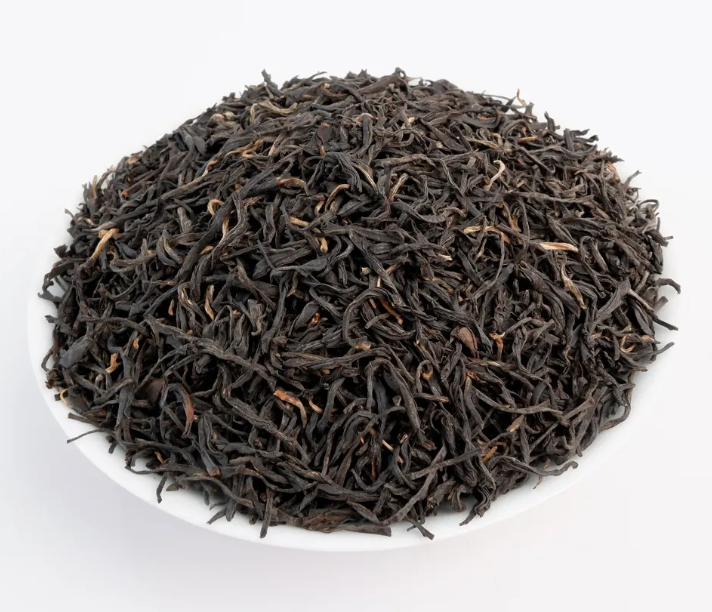
How Tea Harvest Cycles Directly Influence Wholesale Tea Supply and Pricing
Regional harvest calendars: From Darjeeling’s flushes to Assam’s year-round plucking
When it comes to wholesale tea markets, when harvest happens really affects how much tea is available and what prices look like around the world. The Darjeeling region has these specific harvest periods called flushes - spring first, then summer, followed by autumn - which creates short bursts of supply. This stands in stark contrast to Assam where picking goes on almost all year round. Because of this difference between regions, tea buyers know they'll struggle to find enough Darjeeling stock outside those key seasons, whereas Assam keeps supplying consistently throughout most of the year. Things get even trickier during monsoon season. From July through September, heavy rains across Northeast India basically stop harvesting completely for about six to eight weeks straight. That cuts production by roughly two thirds every year. Given all these seasonal limitations, most tea wholesalers need to plan their purchases at least eight to ten months in advance. This becomes especially critical for high quality single origin teas where getting the right amount at the right time makes all the difference in negotiating better prices.
Quality-driven premiums: Why first-flush Darjeeling commands 40–60% higher wholesale tea prices than monsoon teas
Post-winter dormancy concentrates amino acids and antioxidants in spring leaves, making first-flush Darjeeling teas exceptionally nuanced—a biochemical advantage that translates directly into wholesale premiums. Auction data shows these March–April harvests consistently fetch 40–60% higher prices per kilogram than monsoon-season equivalents. Three factors drive this valuation gap:
- Limited harvest window: First flush lasts just 4–5 weeks, yielding only 15–20% of Darjeeling’s annual output
- Labor intensity: Hand-plucking only the newest buds requires 30% more workers
- Market positioning: Specialty retailers allocate 70% of their annual premium tea budgets to early harvests
This quality-price linkage cascades through supply chains: wholesalers absorbing first-flush premiums often offset costs by blending monsoon-harvested teas into value lines—illustrating how seasonal quality variations segment the wholesale tea market.
Climate Volatility as a Catalyst for Wholesale Tea Price Instability
Monsoons, droughts, and frost: Real-world yield shocks and their wholesale tea price impact
When extreme weather hits, it throws a wrench into the global wholesale tea market. Drought conditions strip away essential soil moisture needed for healthy tea plants, resulting in smaller leaves and later harvest times. We saw this happen in East Africa where extended dry periods led to about a 10% drop in Kenyan tea output last year according to local agricultural reports. Then there's the other end of the spectrum. Monsoon season flooding can literally drown tea roots and create ideal conditions for fungus growth. And don't get me started on those unexpected frosts that burn up young tea shoots before they have a chance to mature. All these factors combine to seriously cut down on what gets produced and lowers overall quality. Market scarcity kicks in fast, pushing wholesale buyers to outbid each other at auctions. Prices for certain regions typically jump anywhere from 15% to 30% during these crisis periods, hurting both producers and consumers alike.
Data insight: Rising standard deviation in quarterly wholesale tea indices (2020–2024)
Climate-induced supply shocks are accelerating price volatility across tea categories. Quarterly wholesale price indices reveal widening fluctuations:
| Weather Event | Yield Impact | Price Volatility Range (2020–2024) |
|---|---|---|
| Severe Drought | –8% to –15% | +22% to +34% |
| Excessive Monsoon | –12% to –18% | +18% to +29% |
| Early Frost | –5% to –9% | +15% to +24% |
Standard deviation in global tea indices surged 37% between 2020 and 2024 (Market Data Forecast 2024). This trend confirms climate volatility as a primary destabilizer for wholesale tea pricing—and signals eroding supply predictability as traditional growing seasons shift.
Niche Seasonality: Jasmine, Herbal, and Blended Teas in the Wholesale Tea Market
Jasmine green tea: A May–October supply bottleneck driving off-peak scarcity premiums
Jasmine green tea has this real problem with seasons that affects how it moves through the wholesale market. The whole thing depends on fresh jasmine flowers, and these only grow from May right through October. That short growing period means there's not enough product around most of the time. When we're outside those months, prices at wholesale jump anywhere from 15% to maybe even 30% because everyone wants what little stock exists. People are fighting over it basically. Then there's the whole scenting process too, where workers have to layer the tea leaves with jasmine blossoms picked at night. Takes forever and limits how much can actually be produced. Some companies try freezing the flowers or using extracts instead, but true connoisseurs won't settle for anything but fresh flower versions. This constant shortage explains why smart inventory management becomes so important for anyone trying to keep jasmine tea available all year long in their stores.
Strategic Procurement Tactics to Stabilize Wholesale Tea Costs Year-Round
Forward Contracting During Post-Harvest Windows: Reducing Volatility Exposure by up to 28%
When tea is purchased wholesale via forward contracts right after the harvest season, sellers can lock in better prices since there's usually a surplus in the market that brings down costs between 12 to 18 percent compared to peak times. Market data shows this method cuts price swings by around 28 percent. We've seen this work well with tea traders in Darjeeling who started signing contracts after the first flush instead of waiting (Tea Board Quarterly reported similar findings in their 2023 edition). Basically, it works because farmers need to get rid of their stock before the next crop comes in. This creates stability for everyone involved - farmers don't have to worry about selling at rock bottom prices, while buyers know what they're paying upfront.
Inventory Buffering and Blend Diversification as Seasonal Risk-Mitigation Levers
Complementary procurement tactics further insulate businesses from wholesale tea market fluctuations:
- Strategic stockpiling of high-quality base teas during surplus months creates 3–6 month buffers against supply shocks
- Blend diversification across regions and tea types (e.g., combining Assam CTC with African orthodox) hedges against localized crop failures
- Dynamic sourcing ratios, adjusted quarterly based on harvest forecasts, optimize cost–quality balance
This multi-pronged approach maintains consistent quality while smoothing price variance across seasonal cycles—particularly valuable for monsoon-sensitive varieties.