
 Black Tea
 EN
EN
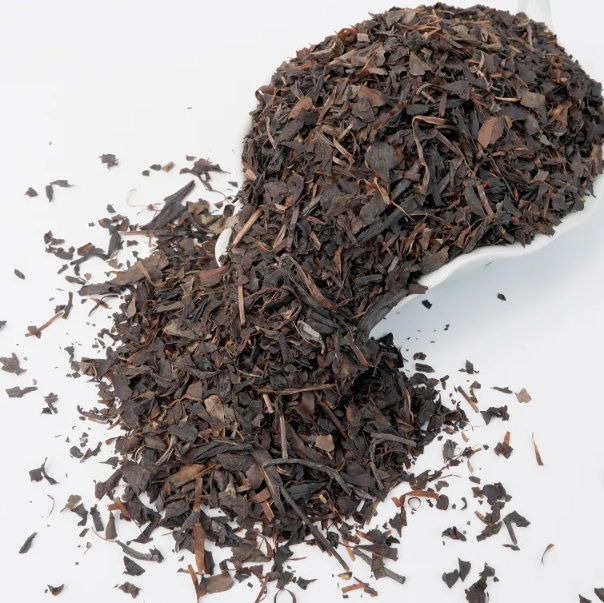
Moisture and Humidity: The Leading Cause of Bulk Tea Leaf Degradation
Too much moisture in the air is probably the biggest problem when it comes to keeping bulk tea leaves fresh over time. Once those leaves start absorbing water vapor from their surroundings, bad things happen in two main ways: enzymes get activated and microbes begin growing. The moisture actually wakes up certain enzymes inside the leaves called polyphenol oxidases. These enzymes kick off oxidation processes that break down important flavor components such as theanine and catechins. According to research from the Tea Research Association back in 2022, this can cut down on freshness by around 40% just eight weeks after storage if relative humidity stays at about 70%. At the same time, when humidity levels go above 65%, we're looking at perfect conditions for Aspergillus mold to take hold. This mold doesn't just make the tea smell musty either. It can produce harmful substances known as mycotoxins too, something highlighted in a study published in the Journal of Food Safety last year.
How moisture absorption triggers enzymatic activity and mold risk in bulk tea leaf storage
Dried tea leaves have a natural tendency to soak up moisture quickly. At around 70% relative humidity, they can absorb an extra 2 to 3 percent water each week. When this happens, something interesting takes place inside the leaves: certain enzymes start working again, breaking down those aromatic compounds that give tea its distinctive smell. The problem gets worse when moisture levels go above 12%. That's when trouble starts brewing literally. Certain molds such as Aspergillus chevalieri begin to grow, and according to research published in Food Chemistry back in 2021, the risk of contamination jumps threefold once humidity goes past 65%. Storing large quantities of tea makes matters even worse because there's less air circulation. This creates little pockets of high humidity within the stacked leaves, accelerating all these unwanted chemical changes.
Relative humidity thresholds: Why >60% RH drastically shortens shelf life across all tea leaf types
Maintaining relative humidity below 60% is non-negotiable for preserving tea leaf integrity, as demonstrated by accelerated aging tests:
| Tea Type | Shelf Life at 50% RH | Shelf Life at 70% RH | Key Degradation Indicators |
|---|---|---|---|
| Green Tea | 8–9 months | 3–4 months | Chlorophyll loss, increased astringency |
| Black Tea | 18–24 months | 6–8 months | Theaflavin reduction (>60%), flat aroma |
| Puerh | 10+ years | 2–3 years | Disrupted microbial activity, mustiness |
The reason why all these products react similarly has to do with how water interacts with them through chemical breakdown processes that affect both essential oils and those complex plant compounds called polyphenols. Some fermented varieties such as puerh tea can handle a bit more moisture because of the microbes living inside them, but even they start losing quality when humidity goes over 65%. According to recent industry standards published by the Tea Trade Committee last year, if relative humidity climbs just 5% past 60%, most products will see their shelf life drop somewhere between 30 and 45 percent. That kind of impact applies pretty much across the board for different types of tea.
Oxygen Exposure: Accelerating Oxidation and Staleness in Bulk Tea Leaf Storage
Oxygen-driven oxidation pathways degrading catechins, volatiles, and lipids in tea leaf
When oxygen gets involved, it starts a series of chemical reactions that actually break down the quality of tea leaves through several different processes. The first thing that happens is those important phenolic compounds such as EGCG catechins get converted into theaflavins during oxidation. According to research published in Food Chemistry last year, this process can cut down on antioxidant power by anywhere between 19% and 34% just six months after production. Then there's what happens to those volatile organic compounds we associate with aroma - things like linalool and trans-2-hexenal start disappearing at about 0.8% per week once they're exposed to air, which basically strips away those lovely floral characteristics. And finally, when lipids in the tea begin to oxidize, they produce hexanal aldehydes that give tea that unpleasant cardboard taste many people notice over time. All these reactions speed up dramatically when the moisture content in tea leaves goes above 7%, making the whole degradation process happen three times faster than it would in drier conditions. That's why proper storage remains so critical for preserving both flavor and nutritional value in stored tea products.
Table: Degradation Rates of Key Tea Compounds Under Oxygen Exposure
| Compound | Degradation Pathway | Flavor Impact | Rate of Loss (70% RH) |
|---|---|---|---|
| EGCG catechins | Polymerization | Reduced astringency | 22%/month |
| Linalool | Volatilization | Muted floral notes | 0.8%/week |
| Lipids | Rancidity (hexanal) | Cardboard/stale taste | 15% increase/month |
Why bulk storage magnifies oxygen contact–and how headspace volume correlates with staleness rate
Bulk tea leaf containers inherently contain greater oxygen reservoirs than small packages. Every 10% increase in headspace volume elevates dissolved oxygen in tea leaves by 2.3 ppm–directly correlating to 17% faster staleness development (Journal of Food Engineering, 2022). This occurs because:
- Surface-area-to-volume ratios favor gas penetration in loosely packed leaves
- Compression during transport creates micro-channels for oxygen diffusion
- Repeated opening reintroduces ambient air equivalent to 3–5 headspace volumes
Optimal packaging maintains <15% headspace with oxygen absorbers, slowing oxidation rates to 1/8th of uncontrolled environments. Industrial vacuum-flushing reduces residual oxygen to <0.5%, extending sensory shelf life by 9 months versus standard storage.
Light and Temperature: Synergistic Threats to Tea Leaf Aroma and Stability
UV and visible light degradation of chlorophyll, linalool, and geraniol in tea leaf
When tea leaves are exposed to light, they start breaking down through a process called photodegradation. Both ultraviolet and visible light cause different types of damage over time. The chlorophyll that gives tea its bright green color starts to fade as it breaks down from light exposure, making the leaves look duller and less fresh. At the same time, important smell compounds in tea such as linalool, which brings floral scents, and geraniol responsible for sweet rose aromas get damaged when light energizes their molecules. These chemical changes significantly impact how tea smells and tastes. Studies show that within just a few weeks, these reactions can reduce the characteristic fragrance of tea by around 40%, depending on storage conditions.
When it comes to chemical reactions, temperature really gets things moving fast. For instance, when temps go up by 10 degrees Celsius past the 25 degree mark, reaction speeds basically double because molecules start bumping into each other much more frequently. But there's another downside to heat worth noting. It tends to cook off those subtle organic flavors in products, leaving behind something that tastes flat or empty. Light and warmth don't work alone either. Put sunlight on clear containers and watch what happens next. The glass becomes a magnifying glass effect, creating these little hot spots inside where molecules break down even faster than normal. To keep tea leaves fresh, store them somewhere dark and cool, ideally under 20 degrees Celsius. This helps maintain their quality over time without losing those precious flavor compounds.
| Degradation Factor | Primary Targets | Sensory Impact | Prevention Threshold |
|---|---|---|---|
| UV Light | Chlorophyll, Catechins | Color fading, bitterness increase | Opaque containers |
| Visible Light | Linalool, Geraniol | Floral aroma loss | Dark storage |
| Heat (>25°C) | Volatile organic comp. | Flattened flavor, stale notes | <20°C environment |
Tea Leaf Type and Processing: Intrinsic Determinants of Shelf Life
Shelf life hierarchy: Puerh (indefinite) vs. green (6–9 months) vs. white (12–18 months), explained by polyphenol stability and microbial ecology
Different types of tea last on shelves for wildly different amounts of time depending on how they're processed and what chemicals they contain naturally. Puerh tea can basically sit forever thanks to special fermentation processes. Beneficial bacteria such as Aspergillus species work their magic by turning polyphenols into stable compounds while keeping bad microbes at bay. Green tea tells a different story altogether. Since it undergoes very little oxidation, those precious catechins stay intact but are also much easier to degrade over time, which means most green teas start losing their freshness after around six to nine months. White tea falls somewhere between these extremes, usually lasting about twelve to eighteen months. The gentle drying process concentrates antioxidants like gallic acid, but there's no real microbial protection happening here. Research shows that certain polyphenols in darker teas keep about 92% of their strength even after five years sitting on store shelves, whereas green teas tend to lose roughly 40% of their EGCG content within just eight months when stored similarly. These differences really highlight how processing methods shape not only flavor profiles but also how long teas remain chemically stable and resistant to spoilage.