
 블랙 차
블랙 차 EN
EN
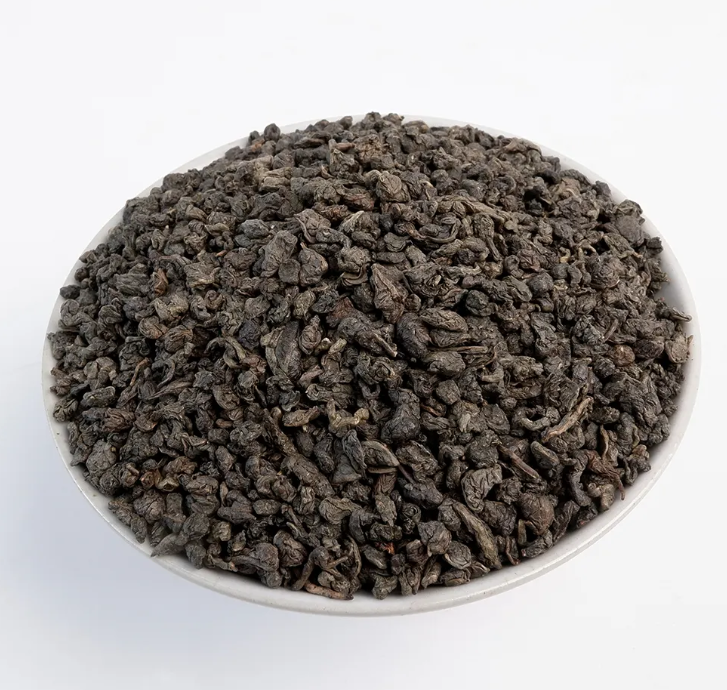
중국의 녹차 잎: 생산 규모, 원산지 및 수출 역량
생산량 및 수출 통계(2023년 FAO 및 중국 세관 자료)
녹차 생산 측면에서 중국은 진정한 강자라 할 수 있으며, FAO의 2023년 자료에 따르면 작년 한 해 동안 약 180만 미터톤을 생산하였다. 이는 중국 전체 차 생산량의 약 60%에 해당하며, 전 세계에서 유통되는 차의 약 70%를 차지한다. 수출 실적도 매우 인상적이어서, 중국 세관 보고서에 따르면 2023년에는 32만 3,800미터톤을 수출하여 약 10억 7천만 달러의 수출액을 기록하였다. 수출 품목 중 대부분은 녹차로, 중국 전체 차 수출량의 80%를 차지한다. 이는 녹차가 중국 농업 무역 구조에서 핵심적인 역할을 하고 있음을 의미한다. 수출 시장 분포를 살펴보면, 유럽이 시장 점유율의 거의 40%를 차지하고, 북미가 약 22%, 동남아시아 국가들이 약 18%를 차지한다. 성장률은 연평균 약 5.2%로 안정적으로 유지되고 있는데, 이는 전국적으로 가공 시설이 개선되고 물류 인프라가 확충되어 제품을 시장에 공급하는 속도가 과거보다 훨씬 빨라졌기 때문이다.
주요 재배 지역: 고급 녹차 잎 원산지인 저장성, 복건성, 안후이성
저장성, 복건성, 안후이성 등 동부 중국 지역은 많은 이들이 중국의 녹차 중심지라고 부르는 곳이다. 이러한 지역은 독특한 환경 조건 덕분에 최고 품질의 차를 생산하기로 유명하다. 고도가 높은 이 지역에서는 따뜻하고 습한 기상 조건과 미네랄이 풍부한 토양을 찾아볼 수 있다. 예를 들어, 저장성은 차밭 아래에 화산토를 지니고 있으며, 안후이성은 구름에 둘러싸인 화강암 산지를 갖추고 있다. 한편 복건성은 풍화된 로암이 형성된 언덕을 제공한다. 이러한 다양한 토양 유형은 차잎의 성장 속도를 늦추는 데 기여한다. 이로 인해 차잎 내 천연 아미노산 함량이 증가하고 쓴맛은 감소하여 전반적으로 부드러운 맛의 녹차를 얻을 수 있다.
| 지역 | 대표 품종 | 승강 범위 | 맛 프로필 |
|---|---|---|---|
| 절강 | 롱징 | 300–800m | 밤색, 부드러움 |
| 안후이 | 황산 모봉 | 600–1,200m | 꽃향기, 달콤한 여운 |
| 푸젠 | 철관음 | 500–900m | 오르키드, 미네랄 노트 |
이들 성은 중국의 프리미엄 등급 녹차 잎 공급량의 45%를 차지하며, 추적 가능하고 테루아 특성이 뚜렷한 특산 차에 대한 글로벌 수요 증가를 충족시킨다.
주요 수출 시장에서의 녹차 잎 관련 규제 준수
농약 잔류 허용 기준: EU 최대 잔류 허용량(MRL) 대비 중국 GB 2763–2021 기준
중국의 GB 2763-2021 농약 기준과 유럽연합(EU)이 설정한 훨씬 엄격한 잔류 허용량(MRL) 간의 차이는 수출업체들에게 상당한 어려움을 야기합니다. 다른 국가에서는 사용이 단계적으로 중단되었음에도 불구하고 여전히 흔히 사용되는 클로르피리포스를 예로 들면, EU는 이를 0.01mg/kg으로 제한하고 있는 반면, 중국은 0.1mg/kg으로 거의 절반 수준입니다. 특히 저장성을 중심으로 한 일부 선견지명 있는 생산자들은 이러한 격차를 줄이기 위해 다양한 전략을 시행하기 시작했습니다. 이들은 통합 해충 관리 기술을 도입하고, 출하 전 제3자 기관에 잔류물 검사를 의뢰하며, 심지어 생산 과정 전반에 걸쳐 배치 추적을 위해 블록체인 기술을 실험적으로 활용하고 있습니다. 유엔 식량농업기구(FAO)의 최근 자료에 따르면, 지난해 중국 녹차 수출량의 약 5분의 1이 유럽 규정을 준수하기 위해 추가적인 세척 과정을 거쳤습니다. 이러한 추세는 세계 무역 수요가 국내 관행을 더 높은 기준으로 끌어올리고 있음을 보여주지만, 많은 소규모 업체들은 이러한 비용이 많이 드는 요구 사항을 충족하는 데 어려움을 겪고 있습니다.
유기농 인증 경로: CNAS를 EU 유기농 및 USDA NOP와 조율
중국의 CNAS 유기 인증 제도를 EU 유기 표준과 USDA NOP 표준 모두와 원활하게 연계하는 것은 여전히 큰 도전 과제이지만, 동시에 소중한 비즈니스 기회이기도 하다. 전환 기간은 CNAS가 36개월, NOP도 36개월로 상당히 잘 일치하지만, EU는 단지 24개월 만에 이를 완료한다. 금지 물질 측면에서는 각 제도 간 상당한 차이가 있다. EU는 72종의 투입물(원자재)을 금지하고, CNAS는 38종, NOP는 65종을 금지한다. 이 분야에서 활동하는 선견지명 있는 기업들은 이중 감사 접근법(dual audit approaches)을 도입하고 공유 문서 플랫폼(shared documentation platforms)을 활용하기 시작했다. 일부 기업은 심지어 국경을 넘나드는 검사 기관 인증 인정까지 달성하고 있다. 2023년 유기 무역 협회(Organic Trade Association)가 발표한 최근 연구에 따르면, 생산자가 세 가지 표준 요구사항을 동시에 충족할 경우 프리미엄 그린티 수출의 이익률이 약 18% 증가한다. 안후이성 농민들은 인근 여러 농장의 서류 업무를 한꺼번에 처리하는 중앙 인증 센터를 설립함으로써 준수 비용(compliance expenses)을 약 30% 절감하였다.
검증된 수출 모델: 윈난성 및 장쑤성산 프리미엄 그린티 잎
냉장 물류 및 산화 제어를 통한 장기 보관이 가능한 그린티 잎
고품질 녹차에서 섬세한 향기 성분과 EGCG와 같은 강력한 카테킨을 그대로 보존하려면, 일반적인 수출 방식보다 훨씬 더 신중한 취급이 필요합니다. 윈난성과 장쑤성의 최고 생산자들은 자체 특화된 처리 방식을 개발했습니다. 이들은 전 과정—수확부터 최종 포장까지—온도를 약 0~5°C로 냉각 상태로 유지합니다. 채엽 후 단 2시간 이내에 잎을 급속 냉각시킨 다음, 산소 반응을 억제하기 위해 질소 가스로 충진된 진공 백에 밀봉하는 포장 단계로 이어집니다. 전체 운송 과정 내내 스마트 센서가 온도와 습도를 지속적으로 모니터링하며, 귀중한 차 원료가 윤난성의 안개 낀 산악 지역에서부터 장쑤성의 인증 시설에 이르기까지 이동하는 동안 환경 조건을 정밀하게 추적합니다. 수분 함량을 5% 미만으로 유지함으로써 운송 중 불필요한 세균 증식을 방지합니다. 일반적인 운송 방식과 비교할 때, 이 전체 시스템은 프리미엄 녹차의 매장 진열 신선도를 두 배로 연장시켜 줍니다. 이러한 노력을 기울일 만한 이유는 무엇일까요? 바로 선명한 녹색 색상, 독특한 향기, 그리고 우수한 품질의 녹차에서 기대할 수 있는 모든 건강 효능을 그대로 간직한 차를 얻을 수 있기 때문입니다.
소비자 주도 변화: 녹차 잎의 추적 가능성, 지속 가능성 및 프리미엄화
항저우 협동조합에서 블록체인 기반 추적 가능성 구현: 신뢰도 및 수출 이익률 제고
점점 더 많은 글로벌 구매자들이 자신이 구매하는 제품의 원산지와 실제 지속 가능성에 대한 증거를 요구하고 있습니다. 많은 기업들에 있어 블록체인 기반 추적성은 단순히 ‘있으면 좋은 기능’을 넘어, 특정 시장에 진입하려면 이제 필수적인 요소가 되고 있습니다. 항저우의 협동조합 사례를 예로 들어 보겠습니다. 이들은 생산 과정의 각 단계에서 수확 시기, 재배 고도, 유기농 인증 여부, 발효 기간, 탄소 배출량, 그리고 작업자 및 근무 조건과 같은 다양한 정보를 추적하는 QR 코드 시스템을 도입하기 시작했습니다. 지난해 『식품 안전 저널(Food Safety Journal)』에 게재된 연구에 따르면, 이러한 추적 시스템은 위조 제품을 약 절반 수준으로 감소시키고, 구매자들의 공정성에 대한 신뢰 증대를 바탕으로 수출 가격을 약 20퍼센트 상승시킬 수 있습니다. 이 시스템이 주목받는 또 다른 이유는 재생 농업(Regenerative Farming)을 지원한다는 점입니다. 해당 플랫폼은 관개용수 사용량, 토양 건강 개선 정도, 그리고 재배 과정에서 사용된 농약의 정확한 종류까지 모니터링합니다. 이러한 세밀한 추적은 녹차 공급망을 최근 전 세계적으로 주목받고 있는 국제 환경·사회·지배구조(ESG) 기준에 훨씬 더 가깝게 만듭니다.