
 Black Tea
 EN
EN
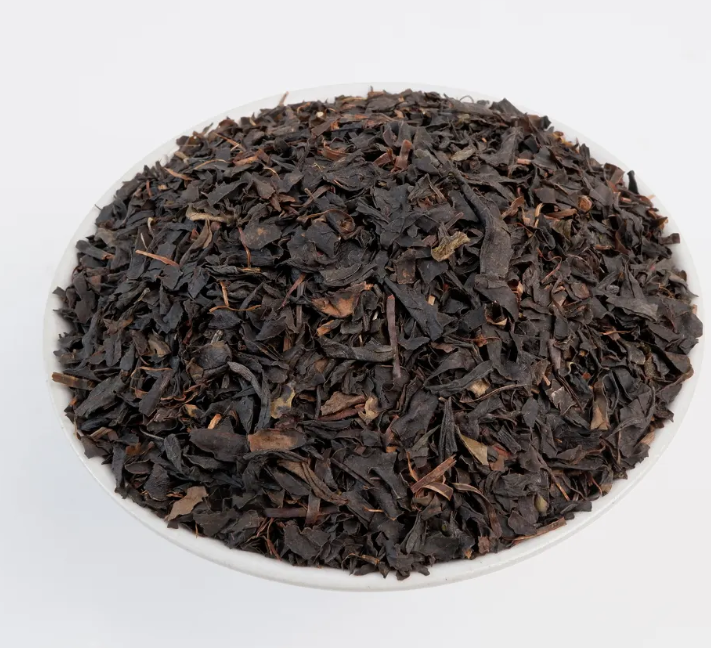
Assam Tea Quality Grading and Physical Specifications
CTC vs. Orthodox Grades: BOP, FTGFOP, and BPS — What Wholesalers Need to Know
The way Assam tea is graded depends largely on how it's processed and what the leaves look like, which affects everything from taste to where it ends up in stores. Crush Tear Curl or CTC teas create those small, consistent bits that brew quickly, which is why most tea bags and big brand blends use this style. One popular CTC grade is called Broken Pekoe Souchong or BPS for short. Tea drinkers appreciate it because it makes a strong, lively cup that stays consistent batch after batch. On the other side of things, Orthodox teas keep their leaves mostly intact, allowing for more complex flavors to develop during brewing. These premium types get fancy names like Fine Tippy Golden Flowery Orange Pekoe (FTGFOP) when they meet certain standards about leaf quality, golden tips, and traditional handcrafted methods. Specialty shops and upscale tea mixers really go for these characteristics. Looking at actual numbers from the trade, Broken Orange Pekoe or BOP grades make up around 68% of all wholesale sales. This works well for many situations since they offer decent strength while still being affordable enough for everyday use but versatile enough for different kinds of products too.
Critical Physical Parameters: Granule Size, Color Consistency, Aroma Intensity, and Uniformity
Four interdependent physical attributes govern wholesale quality acceptance and functional performance:
- Granule size: Directly influences infusion kinetics—tighter particle distribution ensures predictable brew strength and minimizes over-extraction risks.
- Color: A uniform dark coppery hue signals full, controlled oxidation—a hallmark of premium Assam character.
- Aroma: Pronounced malty intensity without mustiness or staleness reflects freshness and proper post-processing handling.
- Uniformity: ≥95% particle consistency is essential to prevent segregation during blending and ensure batch-to-batch reproducibility.
| Parameter | Functional Impact | Industry Tolerance |
|---|---|---|
| Granule Size | Brew control & strength | ±2 mm variance |
| Color | Visual grading & appeal | ΔE ±3 (CIELab scale) |
| Aroma | Sensory differentiation | ≥7/10 intensity (trained panel) |
High-grade Assam retains up to 92% of volatile aroma compounds when stored below 25°C, per ISO 11287 protocols—underscoring the importance of temperature-controlled warehousing from auction floor to destination warehouse.
Moisture Content (4–6%): Impact on Shelf Life, Blending Stability, and International Freight Compliance
Keeping moisture levels around 4 to 6 percent is absolutely essential for quality control. At these levels, the material maintains its structure, stops bacteria from growing, and keeps flavors stable over time. When moisture drops below 4%, the leaves get too dry and start breaking apart easily. This creates a lot of dust during processing steps like grinding or mixing, which wastes about 15% of the product in some cases. If moisture goes above 6%, problems quickly arise. Even normal humidity levels during shipping by sea can lead to mold formation or chemical breakdowns, particularly when containers are prone to condensation as specified by international shipping standards. Maintaining proper moisture balance not only makes products last longer (typically up to two years) but also ensures that each batch extracts consistently during production. For companies that blend ingredients regularly, this consistency matters a lot because customers expect the same taste experience every time they purchase. The packaging needs to block out moisture completely and form an airtight seal to protect these delicate moisture balances all the way through transportation.
Food Safety and Regulatory Compliance for Assam Tea Export
Pesticide Residue Limits (EU MRLs, USDA Tolerances) and Batch Testing Protocols
Meeting international standards for pesticide residues isn't just good practice it's essential for getting products into global markets. Take the European Union for instance they have some really tight Maximum Residue Level requirements, sometimes as low as 0.5 mg per kg for common agricultural chemicals these levels are actually below what most standard tests can even detect. Things get complicated when looking at USDA regulations too since they differ depending on the chemical involved, but paperwork and tracking where everything comes from remains absolutely necessary. Smart exporters know this and send their batches for testing at certified labs before shipping out. These lab reports need to include details about where the crop was grown, when it was harvested, what treatments were applied in the fields, and how exactly the analysis was done. And don't forget about checking moisture content either ideally between 4% and 6%. If there's too much moisture in the product, it can throw off the test results completely and also lead to spoilage problems during transportation, regardless of whether pesticide levels technically meet legal standards.
Heavy Metal Screening (Pb, Cd, As) and Mandatory Third-Party Certification Requirements
Contamination from heavy metals like lead, cadmium, and inorganic arsenic continues to be a major concern for food safety because these substances get absorbed through the soil and build up over time in the environment. The EU has put strict limits on these contaminants, especially for baby food products where levels need to stay below 0.02 milligrams per kilogram according to regulation number 1881/2006. For regular tea products, acceptable levels are set at around 0.2 mg/kg for lead content and about 0.05 mg/kg when it comes to cadmium. Export companies typically run tests every three months using either atomic absorption spectroscopy or ICP mass spectrometry techniques that have been properly validated. These days, many importers aren't just looking at test results anymore. They want to see actual documentation showing proper food safety protocols in place. Certifications like ISO 22000 or HACCP have become pretty much mandatory requirements now. Big purchasing organizations often go even further by insisting their suppliers follow certain ethical standards too. They'll ask for Rainforest Alliance or Fair Trade certification alongside everything else as proof that land is being managed responsibly throughout the entire supply chain.
Commercial Terms and Supply Chain Readiness for Assam Tea Wholesale
MOQs, Packaging Standards (25 kg Jute/PP Bags, Vacuum-Sealed Pallets), and Logistics Readiness
When ordering bulk Assam tea, most suppliers require a minimum of around 100 kg. This amount works pretty well for keeping shipping costs reasonable while still giving buyers some flexibility. The way we package this tea meets all the standard international requirements for keeping things clean and fresh. We usually go with either 25 kg jute bags or special food grade polypropylene bags that let air through but protect against physical damage. For extra protection, we wrap everything in vacuum sealed pallet covers that keep out oxygen completely. These wraps are certified under ISO 22000 standards for food contact materials meant for export. Our logistics team doesn't stop at just good packaging though. They make sure all the FOB and CIF paperwork is spot on, track each batch with details like when it was harvested, which estate produced it, and what auction lot it came from. We always guarantee our tea travels in climate controlled containers too. All these steps help maintain consistent quality throughout those long 30 day ocean journeys and speed up getting through customs in strict markets such as Europe and North America.
Pricing Drivers: Grade, Seasonality, Volume Discounts, and Guwahati/Kolkata Auction Benchmarks
The way Assam tea prices are set depends heavily on specific quality factors and how markets work. When it comes down to it, leaf grade matters most. The top grade FTGFOP1 orthodox tea fetches around 40% more than regular BOP grades because it takes more careful hand picking, produces less per acre, and has that distinctive rich flavor profile everyone loves. Season plays a big role too. Second flush harvests between May and June usually sell for 15 to 20% extra since they develop that signature malty character, darker color, and complex tannins that international tea blenders really want in their blends. For bigger buyers, there are volume discounts once orders hit 500 kilograms or more. Companies often lock in prices through multi year contracts to protect themselves from price swings seen at places like the Guwahati Tea Auction Centre and Kolkata Tea Traders Association. Orthodox Assam was going for about $3.20 per kilogram in the first quarter of 2024 according to those benchmarks. Prices also factor in actual costs like the extra money paid for organic certification and wages that change seasonally based on what's required under Assam's Plantation Labour Act regulations.