China’s Global White Tea Export Position and Market Share China is still the biggest tea producer globally and ranks second in exports behind Kenya, though white tea makes up under 0.2% of what they ship out overall. Looking at 2024 numbers, ...
VIEW MORE
White Tea Health Benefits That Align with Workplace Wellness Goals Antioxidant-Rich Profiles of Silver Needle, White Peony, and Shou Mei White tea packs about three times as many antioxidants compared to green or black teas, mostly because it's ric...
VIEW MORE
Standard Shelf Life of Wholesale White Tea Leaves Typical shelf life under optimal wholesale storage conditions When stored properly in wholesale settings, white tea generally stays at its best quality for around 18 to 24 months before starting to ...
VIEW MORE
Why Oxidation Is the Primary Threat to Bulk-Stored Tea Leaves The biochemistry of tea leaf oxidation: How oxygen degrades catechins, thearubigins, and volatile aromatics When tea leaves come into contact with oxygen, it starts a fast chemical react...
VIEW MORE
What Is White Tea? Origins and Botanical Background White tea stands out as the most minimally processed among all tea varieties, made only from the tender buds and fresh leaves of the Camellia sinensis plant. The origins trace back to Fujian provi...
VIEW MORE
Origin and Terroir: How Geography Shapes White Tea Quality Fujian Province Dominance: Microclimate Effects on Silver Needle and White Peony Character The combination of Fujian Province's rugged mountains, frequent coastal fog, and rich volcanic soi...
VIEW MORE
Understanding the Wholesale Tea Supply Chain: Key Actors and Critical Handoff Points From tea estate to auction house: The multi-tiered flow of bulk tea Tea's journey starts on big plantations or smaller family-owned farms where workers pick fresh ...
VIEW MORE
How Terroir Shapes Tea Leaf Chemistry and Processing Potential Catechin, Theanine, and Polyphenol Variation Across Fujian, Assam, Uji, and Darjeeling Tea Leaf The term terroir refers to how soil, weather conditions, and landscape all work together ...
VIEW MORE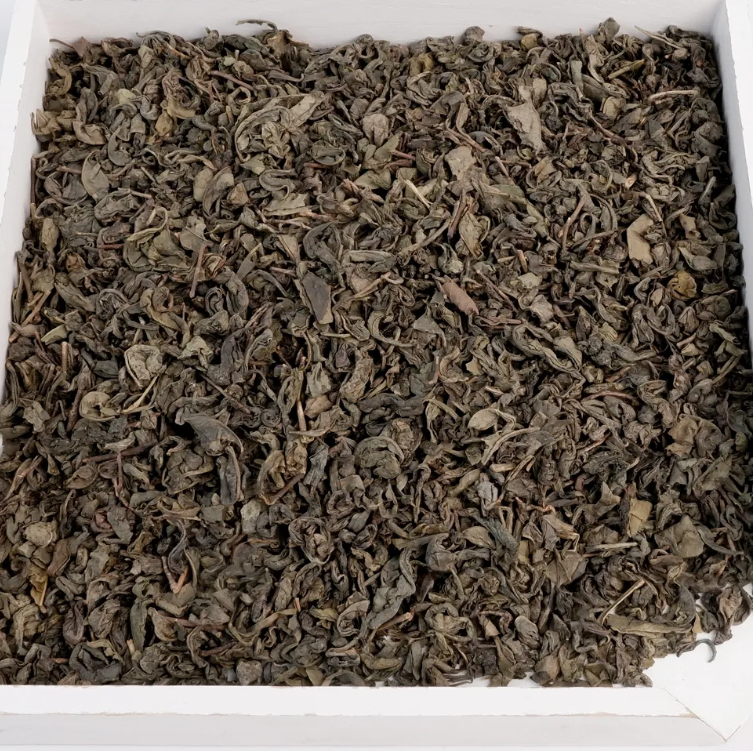
How Tea Leaf Oxidation Responds to Temperature: Enzyme Activity and Catechin Transformation Polyphenol oxidase (PPO) activation thresholds in Camellia sinensis tea leaf tissue The PPO enzymes found in tea leaves from Camellia sinensis become active...
VIEW MORE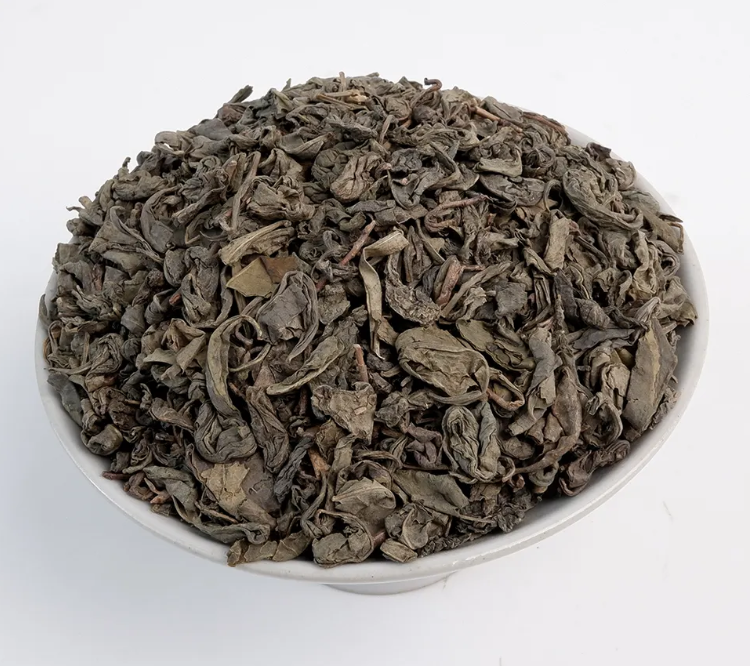
Tea Leaf Maturity and Cultivar: Foundations of Chemical Composition The 'Two Leaves and a Bud' Standard: Balancing Yield, Polyphenol Content, and Processing Consistency Harvest timing directly shapes tea leaf chemistry and manufacturing outcomes. T...
VIEW MORE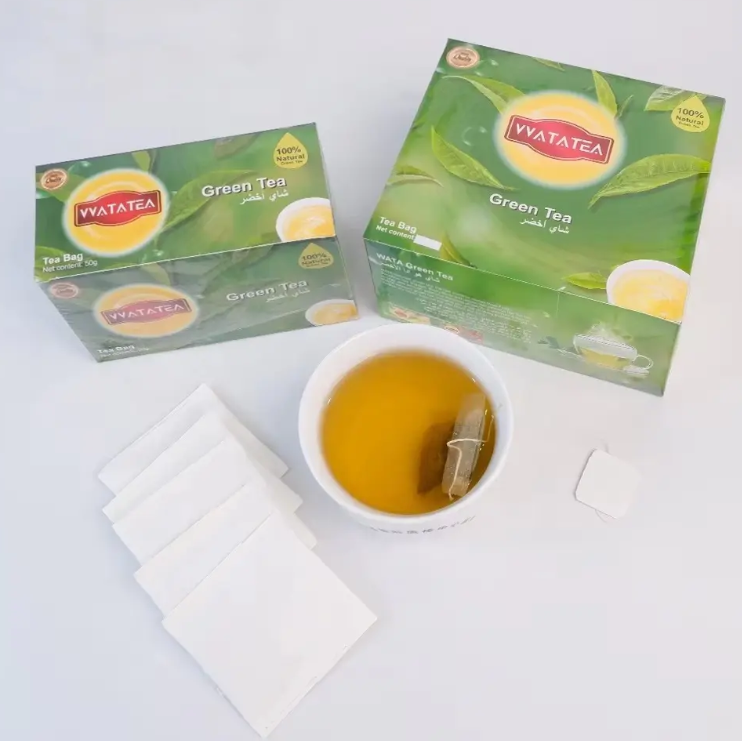
Tea Company Supply Chain Scalability: From Sourcing to Processing Smallholder fragmentation vs. vertically integrated estate models How well tea businesses can grow depends a lot on how they source their leaves. The small farmer approach works in p...
VIEW MORE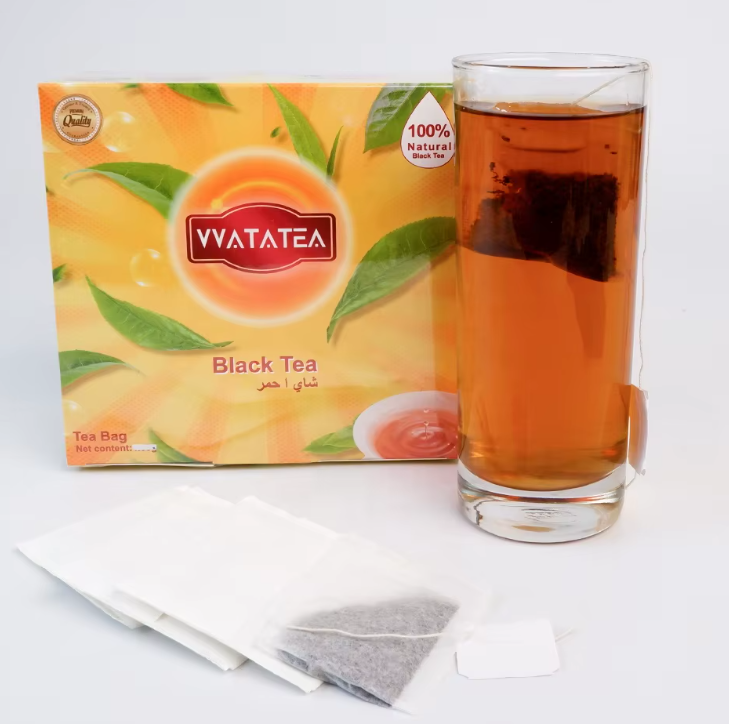
Tea Bag Materials and Their Impact on Shelf Life Non-Woven Fabric vs. Natural Fiber: Moisture Barrier Efficacy and Oxygen Transmission Rates Synthetic non woven fabrics create much better moisture barriers compared to natural materials such as cott...
VIEW MORE
 Black Tea
 EN
EN